
How to maintain a flat roof in Stamford between inspections
Keep your Stamford flat roof ready between contractor visits with a safe drain-check routine, seasonal tasks, warning signs, and clear limits on DIY work.
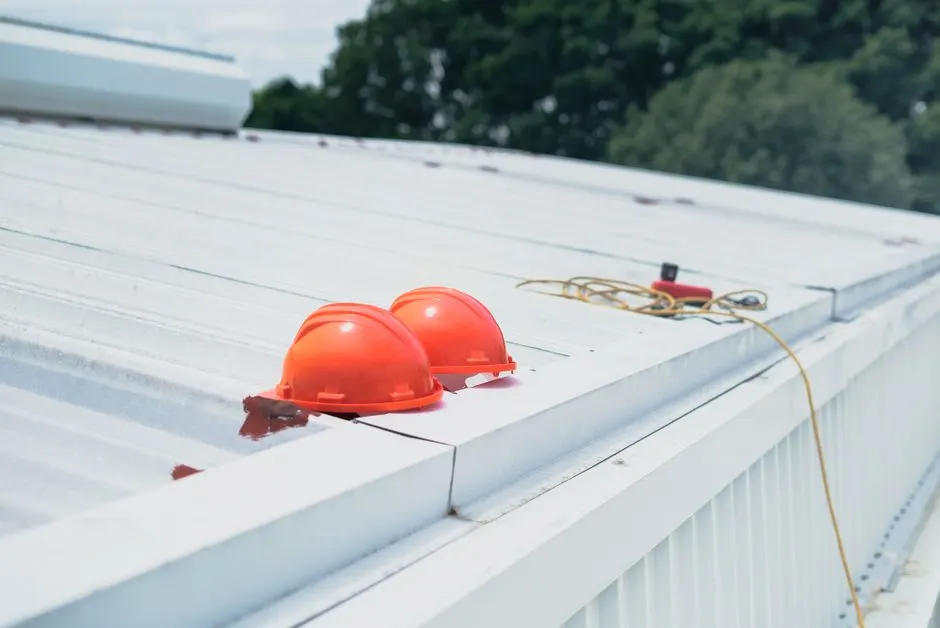
Maintain a flat roof in Stamford between inspections by checking drains and visible surfaces monthly, clearing loose debris from safe access points, and recording leaks or changes after storms. Keep people off the membrane and leave repairs, snow removal, and work near roof edges to a roofer. This routine catches changes early without turning basic upkeep into a risky DIY repair. We'll cover how often to check drains, what you can safely observe, how Connecticut's fall and winter weather affects the roof, and when our team should take over.
Flat roof maintenance between inspections Stamford is a practical upkeep routine that helps property owners spot drainage problems and membrane changes before they cause interior damage. It complements professional inspections; it does not replace them.
A simple routine prevents small roof problems from growing
Routine flat roof maintenance in Stamford starts with observations from safe access points and a written record, not walking across the roof. The goal is to notice changes early and give your roofer useful details about where and when they appeared.
Stamford roofs face wind-driven rain, freeze-thaw cycles, coastal moisture, falling leaves, and winter snow. A drain partially covered by leaves in October can become a serious ponding issue after a heavy rain, while a small seam opening can admit water during repeated thawing.
For flat roofing upkeep Stamford CT property owners can handle, keep a simple log with the date, weather, drain condition, interior ceiling changes, and any visible debris. Photos taken from the same safe viewpoint make it easier to compare conditions over time. We use those details to narrow down what needs attention.
If your roof needs hands-on work rather than observation, our Flat roof repair Stamford CT service covers residential and commercial flat-roof problems throughout the city. Regular notes help us distinguish a new concern from an old stain or an area that has remained unchanged.
What flat roof maintenance can you do between inspections?
Stamford property owners can safely document roof conditions, check visible drain openings from a protected access point, and look for interior signs of moisture without climbing onto an unsafe roof. Avoid tools, chemicals, roof traffic, and any task that requires reaching over an edge.
Start with the areas you can see without stepping onto the membrane. From an approved roof hatch or a safe ground-level viewpoint, check for leaves around drain bowls, branches, loose packaging, or debris lodged near scuppers. Do not lean over parapets or use an unsecured ladder to get a better look.
- Check rooms below the roof for fresh ceiling stains, bubbling paint, musty odors, or damp insulation.
- Note visible water that remains after a rain has ended; a shallow film is different from a deep or persistent pool.
- Look for changes around rooftop equipment, skylights, pipes, and wall edges from a safe position.
- Keep gutters and downspout outlets clear from the ground where you can reach them safely.
- Photograph concerns and contact us rather than applying sealant or adhesive yourself.
Never sweep, shovel, or pressure-wash a membrane unless your roofing professional has specifically approved the method for your roof system. EPDM, TPO, PVC, modified bitumen, and built-up roofs need different handling; an abrasive brush or incompatible cleaner can shorten a membrane's service life.
Our team handles deeper flat roofing upkeep Stamford CT properties need, including evaluating drainage, seams, flashings, and penetrations. We check the roof system as a whole, because a leak appearing inside one room can originate several feet away.
How often should flat roof drains be checked in Stamford?
Check visible flat-roof drains in Stamford at least once a month, after major storms, and weekly during heavy leaf fall in October and November. More frequent checks make sense for roofs surrounded by trees or serving busy commercial buildings.
A clear drain helps rain and melting snow leave the roof. Look for leaves, seed pods, plastic, or other material near the opening, but do not reach into a drain basket or remove a grate if doing so requires roof access or tools. Report a blocked drain rather than forcing debris down the pipe.
Pay attention to how water behaves after rainfall. Most flat roofs are designed to drain, not to remain underwater. If a puddle is still present 48 hours after the rain stops, or if the same pool keeps returning, document its size and location and call a roofer. A persistent pool can point to a blocked outlet, a low area, or a drainage defect.
In Downtown Stamford, dense blocks and commercial rooftops can collect windblown litter and leaves around roof equipment and drain openings. Owners of older buildings benefit from an established check routine and prompt attention to drainage changes; Flat roof repair in Downtown Stamford often begins with tracking where water is collecting and how it moves across the roof.
Seasonal flat-roof care for Stamford weather
Seasonal flat roofing care between contractor visits in Stamford should begin with fall leaf management, then shift to safe winter observation and spring storm checks. Each season creates different drainage and membrane stresses, so adjust your routine as the weather changes.
Fall: clear the path to drains
October and November are the time to watch for leaves, twigs, and seed pods around drains and scuppers. Check weekly during heavy leaf fall, especially after windy weather. Do not push debris into drain leaders or sweep it across a membrane.
Winter: report snow and ice concerns
Snow adds weight and can hide drains, seams, and roof edges. Do not climb onto a snowy or icy roof or chip ice from a drain; a slip or punctured membrane can turn a manageable issue into an emergency. Call a roofing contractor if snow accumulation, ice dams, or interior leaks concern you.
Spring and summer: look for storm changes
After spring rain or a summer thunderstorm, check for new ceiling marks, displaced rooftop items, or water that lingers. Strong gusts and wind-driven rain can expose loose edge metal and vulnerable flashing. Leave the roof surface itself to trained workers, particularly when it is wet or hot.
Connecticut freeze-thaw conditions can stress seams and flashing as water freezes, expands, and melts. A small change at a penetration or roof edge deserves prompt attention rather than an improvised patch. For properties in Harbor Point, coastal wind and driving rain make it especially useful to record storm-related changes; our local Flat roof repair in Harbor Point work includes tracing concerns back to vulnerable roof details.
Common mistakes that damage flat roofs
Common flat-roof maintenance mistakes in Stamford include walking the membrane unnecessarily, applying a generic sealant, and treating every puddle as harmless. These actions can hide the original problem or create a new one.
Roof membranes and flashing materials must remain compatible. A hardware-store patch compound might not bond to the existing surface, and a repair placed over wet material can trap moisture. Even if a patch seems to hold briefly, it can complicate a proper repair later.
- Do not use a pressure washer. High-pressure water can lift seams, drive water beneath flashing, or damage a surface coating.
- Do not cut or puncture a blister. A blister may involve trapped moisture or a separation that needs professional diagnosis.
- Do not ignore a ceiling stain. Water can travel beneath the roof surface before it appears indoors.
- Do not assume a new roof needs no upkeep. Drain blockages, windblown debris, and damaged equipment supports can affect a newer system too.
Also avoid storing materials, planters, or heavy equipment on the roof without approval. Concentrated weight can affect the structure, and objects can obstruct drainage or abrade the membrane when wind moves them.
When to call a professional
Call a Stamford roofer when you find an active leak, a recurring pool of water, a split seam, loose flashing, a soft or sagging area, or a drain that remains blocked after safe surface debris is removed. These signs require diagnosis on the roof, not a temporary household fix.
Move belongings away from a leak and place a container under drips if it is safe to do so. Record the room, time, recent weather, and any visible roof-level concern; do not open ceilings or climb up to investigate. If water reaches electrical fixtures, keep clear and contact the appropriate emergency service.
Our team can inspect the membrane, drainage, edge details, and roof penetrations to find the source before recommending a repair. We explain the work and pricing upfront, then address the cause rather than simply covering the stain. For commercial properties, planned commercial flat roof preventative care Stamford businesses can reduce disruption by catching drainage and flashing issues before the next storm.
If you are unsure whether a change is urgent, contact Flat Roof Repair Stamford and describe what you see. We can help determine whether the next step is an inspection, a repair, or closer monitoring.
Frequently Asked Questions
What flat roof maintenance can I do between inspections?
You can check visible drain openings monthly, look for ceiling stains after storms, keep a dated photo log, and clear reachable ground-level gutters. Stay off the membrane unless your roofer has confirmed safe access; leave patching, seam work, and rooftop debris removal to trained professionals.
How often should flat roof drains be checked in Stamford?
Check drains monthly, after major storms, and weekly during heavy leaf fall in October and November. Roofs under trees or with a history of blockage need closer attention. If water remains 48 hours after rain ends, report the recurring pond instead of trying to alter the roof slope.
Which flat roof maintenance tasks should a roofer handle?
A roofer should handle membrane repairs, seam and flashing work, drain unclogging that requires roof access, ponding correction, and snow or ice removal. These tasks involve fall risks and materials that can be damaged by incompatible tools or sealants.
Can I walk on my flat roof to remove leaves?
Do not walk on the roof unless the building owner and roofing professional have confirmed the access route and membrane can be safely traversed. Wet surfaces, hidden skylights, weak decking, and unprotected edges create serious hazards. Use a professional for roof-level debris removal.
How long can standing water remain on a flat roof?
Contact a roofer if water remains 48 hours after rainfall ends or repeatedly collects in the same area. A brief shallow film can occur, but a persistent pool may indicate a blocked drain, a low spot, or a slope problem that needs evaluation.
Get help with Flat roof repair in Stamford
Keep your roof and the rooms below it protected with a clear maintenance plan and timely repairs. Call Flat Roof Repair Stamford at +1 (203) 633-8054 to discuss a roof concern or schedule service.