
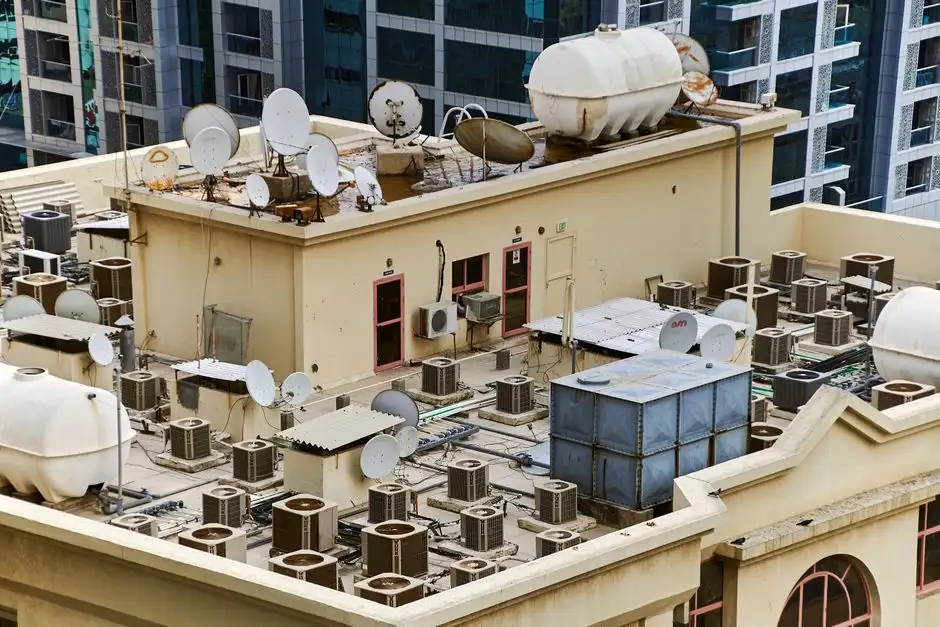
Find the entry point before damage spreads
Flat roof leak detection Stamford CT
Flat roof leak detection Stamford CT helps homeowners, property managers, and commercial building owners pinpoint the source of a leak before another storm drives water farther into the roof assembly. Our Stamford team checks the membrane, seams, drains, flashing, and penetrations, then explains the finding and practical next step. If a ceiling stain appears after rain or a leak keeps returning, we trace the water path rather than guessing from the stain.
Live phone supportUpfront optionsBacked workmanship
What's included
What Flat Roof Leak Detection Includes
Flat roof leak detection covers the investigation needed to identify a likely water-entry point and explain the roof conditions contributing to it. We review the leak history, inspect accessible roof details, and use appropriate diagnostic tools. Repair work, extensive membrane removal, and replacement of saturated insulation are separate tasks when the findings call for them; we explain those next steps clearly.
Leak History Review
We record where water appears, when it occurs, and whether wind direction or rainfall intensity changes the leak. Your observations help us prioritize roof areas, while the inspection confirms or rules out likely paths. This step prevents the interior stain from being treated as the source without checking the roof.
Roof Detail Inspection
We examine accessible seams, membrane surfaces, flashing, penetrations, drains, scuppers, and edges. The inspection looks for punctures, separation, blistering, ponding, and previous repair failures. We relate each visible condition to the reported leak rather than treating every roof defect as the cause.
Moisture Assessment
A moisture meter helps compare suspect areas with reference areas and identify patterns that deserve closer attention. Where conditions suit the method, infrared thermography can support the assessment. Readings are considered alongside roof construction and visual evidence so you understand what the measurements do and do not indicate.
Findings and Repair Direction
We explain the suspected entry point, related roof conditions, and the appropriate repair direction. You can ask questions while viewing the affected area where safe access permits. If testing or repair needs to go beyond the diagnostic visit, we describe the reason and the next practical step before proceeding.
Service overview
Flat roof leak detection Stamford CT
Flat roof leak detection Stamford CT is a diagnostic roofing service that identifies where water is entering a low-slope roof and how it is traveling through the assembly. We inspect the roof surface, seams, flashing, drains, and penetrations, then compare visible clues with moisture readings and the building interior. Water often travels sideways beneath an EPDM membrane or cover board, so the ceiling stain may sit several feet from the actual opening. Finding the entry point first helps you avoid unnecessary patching and directs any repair to the affected area.
Stamford's coastal weather brings wind-driven rain, freeze-thaw cycles, and sudden downpours that expose weak seams and blocked roof drains. Our Stamford flat roof leak detection work checks for ponding water, membrane punctures, flashing failures, and insulation saturation on homes and commercial properties. If you're trying to find a hidden flat roof leak in Stamford, we compare the leak timing with rainfall and inspect likely water paths instead of cutting the roof at random. The result is a more focused repair plan.
How we workWe verify the cause, compare realistic options, and confirm the repair before we leave.
The service timeline
What to Expect During Inspection
The process flexes to the condition, but these checkpoints keep decisions clear.
Review Leak History
We ask when the leak appears, whether it follows wind-driven rain, and which rooms or equipment are affected. You can show us ceiling stains, damp insulation access points, or previous patches. This conversation usually takes 10-20 minutes and helps us prioritize roof areas without treating the interior stain as proof of the exact entry point.
Inspect the Roof
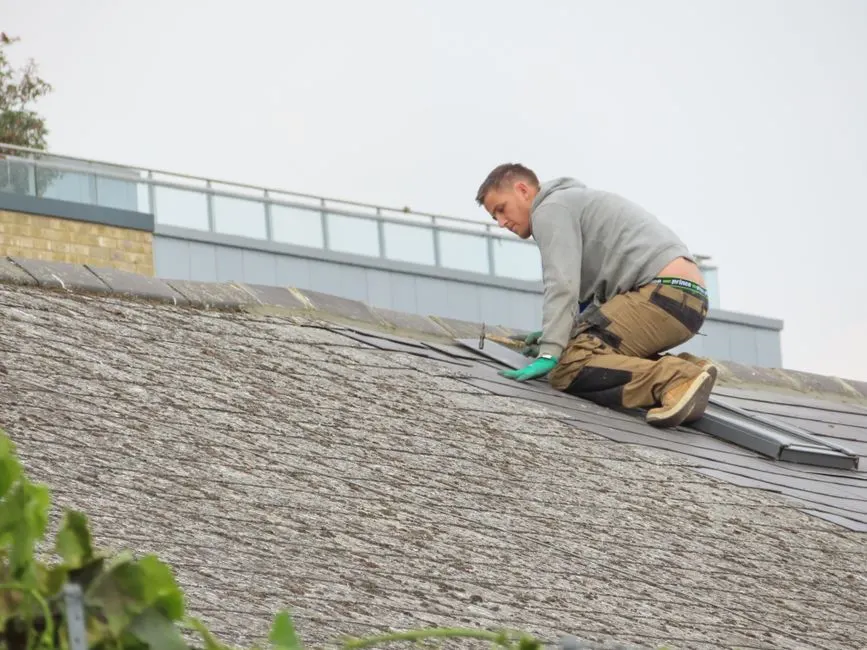
Our technician checks membrane condition, seams, drains, scuppers, flashing, edge metal, and roof penetrations. A roofing probe helps assess suspicious seams or soft areas without unnecessary cutting. We also look for ponding water and debris that could direct water toward a weak detail. You see the areas we identify and why they matter.
Measure Moisture
We use a moisture meter to compare suspect roof areas with dry reference points. Where conditions allow, an infrared thermography camera can help reveal temperature patterns associated with retained moisture. Neither reading is interpreted alone; we verify it against the roof construction, weather, and visible evidence so you get a reasoned diagnosis rather than a device reading without context.
Trace the Entry
If the roof assembly and access support it, electronic leak detection equipment helps narrow a membrane breach. We check likely paths around seams, punctures, and penetrations, then relate roof findings to the interior leak pattern. The diagnostic portion often takes 30-90 minutes on a typical small roof, with larger commercial areas requiring more time.
Explain Next Steps
We show you the likely entry point, note any secondary concerns, and explain whether a localized repair, drainage correction, or further assessment is appropriate. When repair is requested, we match materials to the existing system and test the completed detail where practical. You leave with a clear understanding of what was found and what needs attention.
Tools & methods
Diagnostic Tools and Methods
Purpose-built equipment, used by trained technicians, so the job is done accurately the first time.
Infrared thermography camera
We use temperature patterns to help identify areas that may retain moisture beneath a roof surface. Results are checked against roof construction, recent weather, and physical inspection rather than treated as proof on their own.
Moisture meter
A moisture meter compares readings across suspect and reference areas. The pattern helps us decide where further inspection is useful and whether moisture may have reached insulation or cover board.
Electronic leak detection equipment
Where membrane type, roof assembly, and conditions allow, electronic testing helps locate breaches in a roof surface. We use findings alongside visual checks to narrow the defect before discussing repair.
Roofing probe
A roofing probe helps assess suspect seams, soft spots, and surface details with controlled pressure. It supports inspection without opening broad sections of membrane or damaging sound areas.
Drain inspection camera
When a drain path appears obstructed, a drain inspection camera can help view accessible sections and identify debris or blockage. That information helps distinguish drainage trouble from a membrane defect nearby.
Hot-air welder and seam roller
For compatible thermoplastic roof repairs, a hot-air welder and seam roller support controlled seam work after the leak source is confirmed. We select the method according to the installed membrane and repair detail.
Use cases
When to Schedule Leak Detection
These examples show how the service framework adapts rather than forcing every call through one repair.
Commercial Roof Drain Leak
A Downtown Stamford property had water marks near an office ceiling after storms. A drain held standing water, and staff were unsure whether the leak came from the outlet or a seam farther away. Ceiling tiles had to be moved after each event, disrupting normal office use. → Inspection found restricted drainage and a vulnerable seam near the ponding area. Clearing and correcting the contributing drain detail, then repairing the confirmed roof defect, addressed both the water path and the standing-water condition. The property manager had a defined repair area and a practical order of work.
Wind-Driven Rain at Roof Edge
A Shippan Point building leaked only during strong coastal rain. The interior stain appeared several feet inward from the roof perimeter, and the main membrane showed no obvious puncture. Earlier spot sealing had not changed the pattern because the entry point was at an exposed transition. → We followed the weather pattern and inspected the edge, coping, and wall transition. The findings pointed to a failing perimeter detail, which was repaired without disturbing sound membrane farther inboard. The owner received a clear explanation of why the leak appeared only under particular wind conditions.
Problems we solve
Find a Hidden Flat Roof Leak in Stamford
Flat roof leaks in Stamford often show up indoors far from the roof defect, especially after prolonged or wind-driven rain. We trace the moisture path and inspect the details most likely to admit water, then connect the finding to a repair. That approach helps prevent repeated patches that leave the original entry point open.
Ceiling stains return after each heavy rainstorm.
We compare the stain location with the roof layout and inspect seams, penetrations, flashing, and drainage above and around it. Moisture readings help identify suspicious areas, and we explain whether the evidence points to one entry point or several. Once the source is narrowed, you can address the roof defect instead of repainting the same ceiling.
Water appears indoors but no roof hole is visible.
Our flat roofing leak investigation in Stamford, Connecticut, follows the interior symptoms back through likely roof paths. We inspect transitions and membrane details, then use suitable diagnostic equipment to test suspect areas. You get a practical explanation of the likely entry point and whether the roof needs a localized repair or further assessment.
Standing water remains around a drain after rain.
We inspect the drain or scupper, surrounding membrane, and roof slope while tracing any reported leak. A drain inspection camera can help assess an accessible drainage path when obstruction is suspected. We explain whether the issue is a blocked component, damaged detail, or a broader drainage concern that needs correction.
A leak starts only during wind-driven coastal rain.
We use the storm direction and leak timing as diagnostic clues, then inspect exposed edges, flashing, and nearby membrane. Where a defect is found, we identify the detail that needs repair and check adjacent areas for displacement or separation. This is especially useful when ordinary rainfall has not reproduced the leak.
Pricing process
Leak Detection Pricing
$180-$650 for many focused inspections; $650-$1,800+ for larger or complex roofs
Roof area and layout
A compact roof with one reported leak takes less inspection time than a large commercial roof with several sections, mechanical units, and drainage zones. Complex layouts require more movement and more comparisons between suspect and reference areas.
Access and safety setup
Roof height, ladder access, locked areas, and fall hazards affect setup time. Safe access is essential, especially near skylights and edges. Difficult access or additional safety controls can increase the time required for inspection.
Number of leak points
One interior stain with a clear rainfall pattern is usually more focused than several leaks appearing in different rooms. Multiple reports require separate roof-path checks and may call for additional moisture readings or testing.
How do roofers find a hidden flat roof leak in Stamford?
Roofers find a hidden flat roof leak by matching interior water evidence with roof inspection, moisture readings, and suitable leak-testing methods. We check seams, penetrations, flashing, drains, and membrane damage, then use tools such as a moisture meter or electronic leak detection equipment when conditions allow. Water can travel sideways beneath the roof surface, so the stain is only a starting clue. A typical small-roof investigation takes about 1-3 hours.
What does flat roofing leak detection cost in Stamford CT?
In 2026, a focused flat-roof leak inspection in Stamford commonly ranges from $180-$650, depending on roof size, access, and testing required. A simple visual and moisture check costs less than testing a large commercial roof or tracing several leak points. We explain the price before work proceeds, and repair materials or roof-opening work are separate from the diagnostic visit when required.
Can a flat roof leak be located without removing the membrane?
Yes, many flat roof leaks can be narrowed without removing the membrane by combining visual checks, moisture readings, and suitable electronic testing. The method depends on roof construction, membrane type, access, and site conditions. We begin with non-destructive checks and only discuss opening a roof section if evidence shows it is necessary to confirm the source or assess saturated materials.
How long does flat roof leak detection take in Stamford?
A small, accessible roof usually takes 1-3 hours to inspect and trace, while a larger commercial roof can require half a day or longer. The time depends on roof area, number of leak reports, access, and whether electronic testing is suitable. We review the findings with you before leaving and identify any immediate steps to keep water away from the interior.
Related services
Related Roofing Services
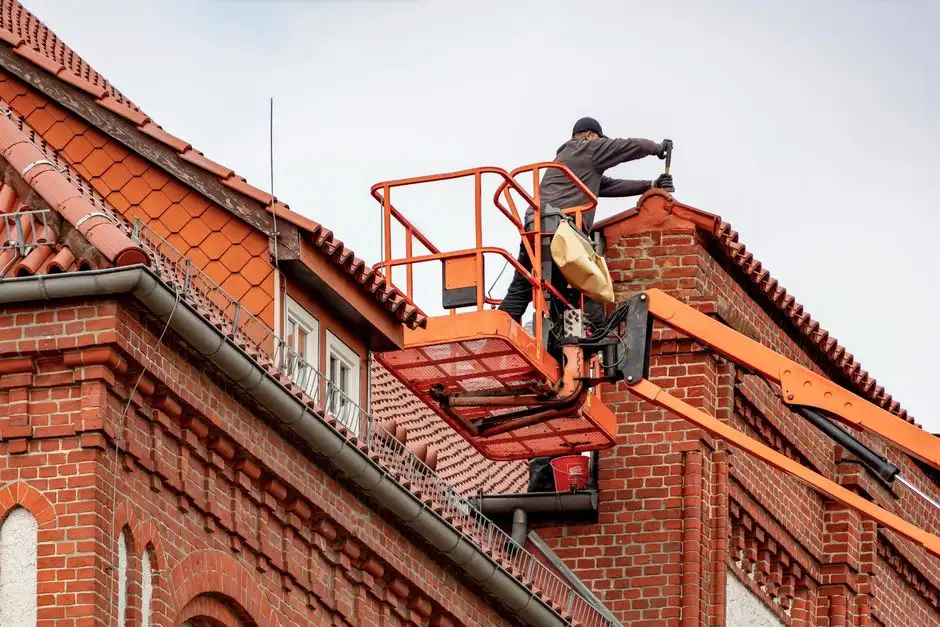
Flat Roof Repair
Once leak detection identifies a failed seam, puncture, or flashing detail, a targeted repair addresses the source. We match the repair method to your existing roof system and check nearby details for related weaknesses, helping Stamford property owners avoid repeated patching in the same area.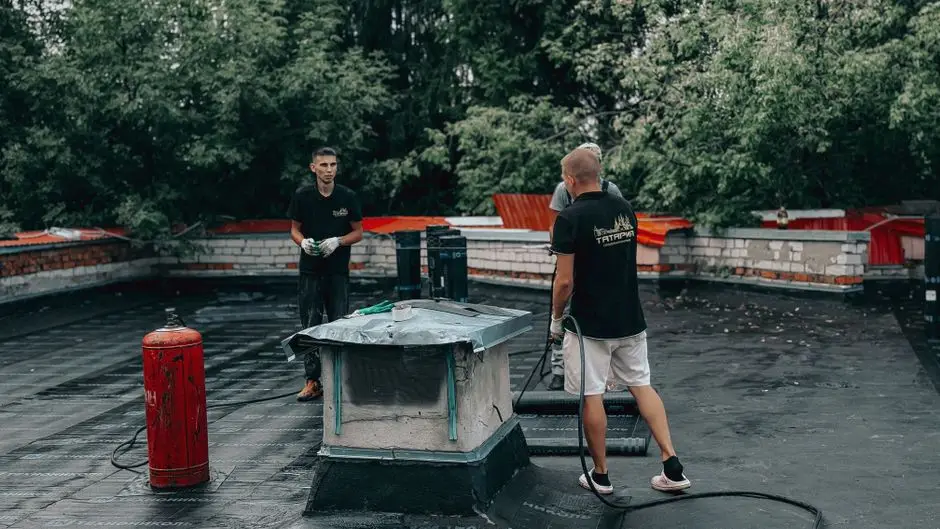
Emergency Flat Roof Repair
Active water entry during a storm can threaten ceilings, stock, and electrical equipment. Emergency work focuses first on controlling the immediate leak and protecting the interior, followed by a closer diagnostic inspection when roof conditions are safe. We trace the source so temporary protection can lead to a lasting repair.
Flat Roof Leak Repair
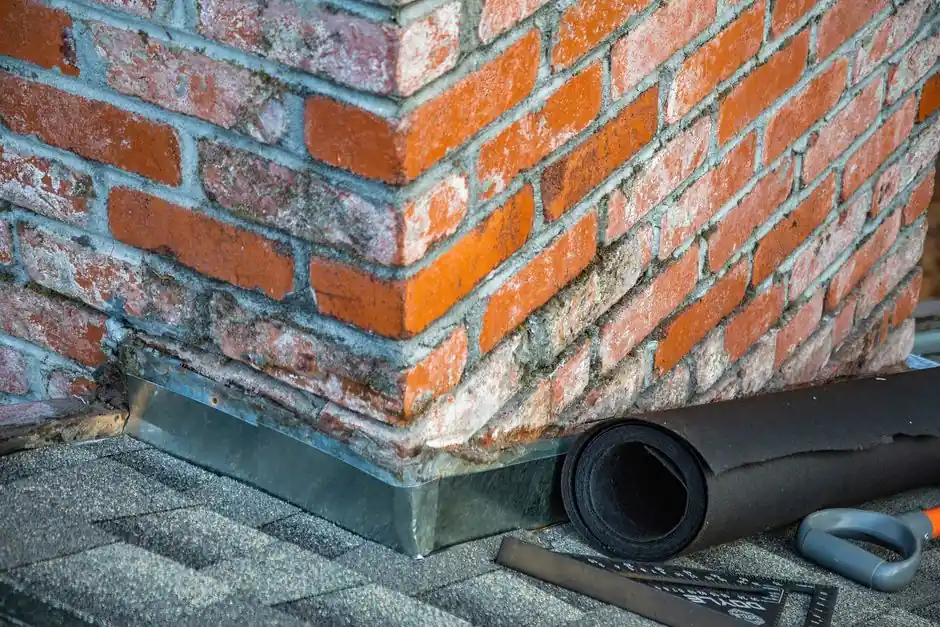
Leak detection identifies where water enters; leak repair corrects the defective detail. Depending on findings, we may repair a puncture, reseal a compatible seam, or address a transition. Stamford customers get a repair tied to the diagnosed problem rather than a patch placed only above the visible stain.Ready when you are
Book Flat Roof Leak Detection Stamford CT
Stop guessing at the ceiling stain. Our Stamford team traces the roof entry point and explains the repair path in plain language. Call Flat Roof Repair Stamford to arrange an inspection and get upfront pricing before work proceeds.
Talk with the local team
Request Flat Roof Leak Detection
Tell us where the leak appears, when you first noticed it, and whether water is actively entering. Call +1 203-633-8054 during business hours, Monday through Friday, 8:00 a.m. to 6:00 p.m.; emergency requests are accepted around the clock. We serve Stamford, Connecticut, and can discuss the roof type, access, and next steps with you.