
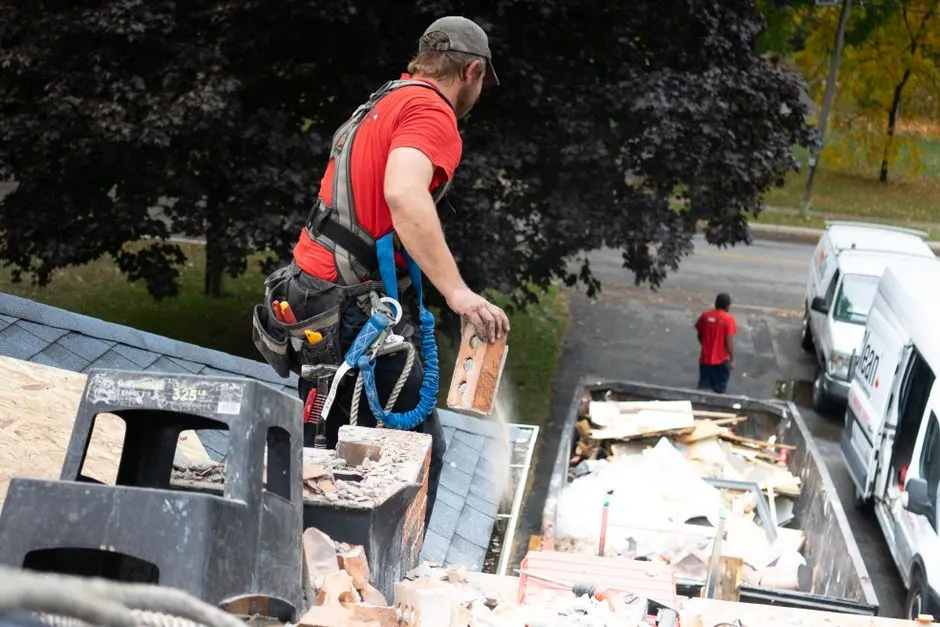
Stop roof leaks with targeted repairs for layered roofs
Built-up roof repair Stamford CT for lasting protection
Built-up roof repair Stamford CT restores worn asphalt-and-felt roofing before leaks spread into insulation, ceilings, and equipment areas. We help Stamford property owners and commercial managers address blisters, open seams, flashing failures, and storm damage with repairs matched to the existing roof. Our team locates the water path, checks the roof assembly, and explains the repair needed so you can protect your building without replacing sound sections.
Live phone supportUpfront optionsBacked workmanship
What's included
What built-up roof repair includes
Our repair covers diagnosis and treatment of the damaged built-up roof area, including affected felts, asphalt, and related flashing when those components are part of the failure. We also inspect nearby drainage and penetrations for contributing conditions. If inspection reveals widespread saturated insulation, deteriorated decking, or damage beyond a localized repair, we explain the additional work needed before proceeding.
Leak source inspection
We inspect the roof directly above the interior symptom and follow likely water paths across seams, flashing, drains, and penetrations. A moisture meter or roofing probe helps identify soft or wet areas. You receive a practical explanation of the source and the limits of the visible damage.
Damaged layer removal
Where roofing is loose, blistered, or water-damaged, we remove material until the repair reaches stable layers. This prevents a new patch from bonding to failed felts or trapped moisture. We keep the work area controlled and protect nearby drains while preparing the surface.
Felt and asphalt patching
We rebuild the affected section with compatible built-up roofing felts and asphalt, tying the repair into sound surrounding material. Patch size and layer count depend on the existing assembly and the damage found. The objective is a continuous, water-shedding repair rather than a thin surface cover.
Flashing detail repair
If water enters at a wall, curb, skylight, or roof penetration, we address the adjoining flashing and roofing layers. We check the transition for gaps, loose edges, and failed bonds, then restore the detail so water is directed away from the opening.
Drainage and finish check
We inspect nearby drains and scuppers, remove work debris, and check the finished patch perimeter. You learn whether the repair area drains properly and what roof condition to watch next. Any broader drainage correction is explained as part of the repair discussion.
Service overview
Built-up roof repair Stamford CT explained
Built-up roof repair Stamford CT is a flat-roof restoration service that repairs damaged asphalt-and-felt layers to stop water intrusion and extend the useful life of a serviceable roof. We inspect the roof surface, identify the source of moisture, remove loose or saturated material where needed, and rebuild the affected area with compatible built-up roofing felts and asphalt. A repair needs more than a surface patch: laps, flashing, drainage, and the condition of the underlying insulation all affect whether water stays out.
Stamford roofs face wind-driven rain, freeze-thaw cycles, salt air near the waterfront, and heavy downpours that expose weak details. On older commercial buildings, ponding water and blocked drains can leave a small opening wet for days. Our Stamford built-up roof repair begins by tracing the leak rather than guessing from the ceiling stain. If you need to repair a leaking tar and gravel roof in Stamford, we check gravel displacement, flashing, penetrations, and roof drainage before selecting the repair.

How we workWe verify the cause, compare realistic options, and confirm the repair before we leave.
The service timeline
What to expect during repair
The process flexes to the condition, but these checkpoints keep decisions clear.
Review the leak
We start by asking where you see water, when it appears, and whether it follows heavy rain or wind. On arrival, we inspect interior signs and roof access conditions before moving onto the surface. This first review usually takes 15 to 30 minutes and helps us focus the roof inspection on the likely path rather than the ceiling stain alone.
Inspect roof layers
We examine gravel coverage, visible felts, blisters, seams, flashing, drains, and penetrations. A moisture meter or electronic leak detection equipment helps narrow the search when the leak is hidden beneath the surface. We also check whether insulation feels saturated and whether water is ponding. You see the findings and the repair area before work begins.
Prepare the repair area
Our crew removes loose gravel, failed coating, or damaged roofing until the repair can bond to stable material. The area must be clean and appropriately dry for the selected materials. For asphalt work, temperature and weather matter; application instructions and safe handling guide the method. We protect nearby drains and building surfaces while preparing the section.
Rebuild affected layers
We install compatible built-up roofing felts and asphalt, reinforce edges, and restore flashing where the leak involves a transition. On small repairs, this stage may take two to four hours; extensive wet insulation or multiple openings add time. We keep the repair tied into sound roofing so water cannot run beneath an isolated patch.
Check and explain
After the repair, we inspect the patch perimeter, adjacent seams, and drainage path, then remove debris from the work area. We show you what failed, what we replaced, and any nearby condition worth watching. Where conditions allow, we verify water shedding without flooding the roof. You leave with practical maintenance guidance for the repaired section.
Tools & methods
Tools and repair methods
Purpose-built equipment, used by trained technicians, so the job is done accurately the first time.
Infrared thermography camera
We use thermal patterns to help identify areas that may be holding moisture beneath the roof surface. Findings are checked against visual inspection and moisture readings before we decide where to open or repair the assembly.
Moisture meter
A moisture meter helps compare suspect roof areas with surrounding material. Readings guide our investigation of soft spots and help determine whether a repair is localized or includes wet insulation.
Electronic leak detection equipment
Where roof construction and conditions support it, electronic leak detection equipment helps locate breaches that are difficult to see. We use the results alongside visual checks to target the repair area.
Roofing probe
A roofing probe checks suspect surfaces for softness, loose layers, or deterioration. It gives our crew a direct indication of whether the built-up layers remain firm around a visible defect.
Drain inspection camera
A drain inspection camera helps check accessible drain paths for blockage or buildup. Clear drainage matters because standing water can place prolonged stress on built-up felts and nearby flashing.
Use cases
When to repair your built-up roof
These examples show how the service framework adapts rather than forcing every call through one repair.

Blistered residential roof section
A Glenbrook homeowner noticed a blister growing on a tar-and-gravel roof and a damp ceiling below it. The surface had lost gravel in a roughly 2-foot area, while the interior stain suggested water had reached the layers beneath the roof covering. → We opened the damaged section, removed compromised material, and rebuilt the felts and asphalt over a firm base. The repair covered about 12 square feet and restored surface protection around the blister. The ceiling remained dry during follow-up rainfall, and the surrounding roof was left intact.
Blocked drain and ponding
A commercial roof near the South End held water around a partly blocked drain for more than 48 hours after rain. The prolonged ponding left the surrounding felts soft and created a leak near the drain bowl during a later storm. → We cleared the accessible drain obstruction, repaired the damaged built-up layers around the drain, and checked the nearby scupper route. The repaired area covered roughly 20 square feet. Water cleared from the immediate low area after the next rainfall, and the interior leak stopped.
Problems we solve
Solve leaks before roof damage spreads
A small opening in a built-up roof can send water beneath several layers before a stain appears indoors. We identify the failure and its contributing conditions, then repair the affected assembly. Quick attention matters when water is reaching insulation, electrical areas, or occupied rooms.
Recurring ceiling stains after Stamford's heavy autumn rain
We trace the leak from the interior symptom to the roof surface, checking felts, flashing, penetrations, and nearby drains. Once we identify the entry point, we remove failed material and rebuild the affected layers. We also check the surrounding roof so the repair does not leave an adjacent water path open.
Blisters and loose gravel over aging asphalt felts
We assess whether the blister contains trapped moisture and whether surrounding felts remain bonded. The repair removes unstable material and restores the section with compatible asphalt and felts. We replace displaced gravel where appropriate to protect the repaired surface from weather exposure.
Ponding water beside blocked drains or scuppers
We inspect the drain path, clear accessible blockage, and check the low area for signs of settlement or membrane damage. If the roof needs a separate drainage correction, we explain the cause and repair options. We then repair any damaged felts or flashing around the affected area.
Water intrusion near parapets and roof penetrations
We check the flashing, edge metal, and built-up layers around the transition, then repair the opening and secure adjoining material. Our team follows the water path rather than applying coating over the visible stain. We also inspect nearby coping and penetrations for related failures.
Pricing process
Built-up roof repair pricing
$350 - $6,000+ depending on repair size, access, and roof-layer damage
Repair area size
A small puncture or isolated blister needs less material and labor than a broad section of failed felts. As a rough measure, a patch under 10 square feet is often less involved than repairs exceeding 50 square feet. We confirm the actual area after checking for hidden moisture beyond the visible defect.
Wet insulation or decking
Saturated insulation or deteriorated decking adds removal, drying, and replacement work. If moisture extends beyond the roof opening, the repair area grows to reach stable material. Addressing wet layers costs more than a surface patch, but leaving them in place can undermine the repair.
Flashing and penetrations
A leak at a wall, curb, skylight, or equipment penetration may require rebuilding both the flashing and adjoining roofing. Complex transitions take longer than a clear field patch because several materials must be tied together to shed water.
Who repairs built-up roofs in Stamford CT?
Flat Roof Repair Stamford handles built-up roof repairs for Stamford property owners and commercial buildings. We inspect the asphalt-and-felt layers, flashing, drains, and penetrations, then repair the identified failure with compatible materials. A built-up roof leak repair service Stamford is useful when water appears after rain, a ceiling stain grows, or gravel shifts around a damaged area. Call +12036338054 to discuss the leak and arrange an inspection.
How much does tar and gravel roof repair cost in Stamford?
A localized tar-and-gravel repair commonly costs $350 to $1,500, while larger repairs with wet insulation or flashing replacement can range from $1,500 to $6,000 in typical 2026 pricing. Cost depends on access, repair size, material layers, and whether water has reached insulation or decking. We inspect the area and provide upfront pricing before work starts, so you can compare a targeted repair with broader roof work.
Can a built-up roof leak be repaired without full replacement?
Yes, a built-up roof leak can be repaired without full replacement when the surrounding felts, insulation, and roof deck remain serviceable. We remove failed material, dry or replace affected layers as needed, and tie the patch into sound roofing. Widespread saturation, repeated failures across multiple areas, or a deteriorated deck can change the recommendation. Our inspection separates an isolated leak from system-wide wear.
How long does a built-up roof repair take in Stamford?
A straightforward repair usually takes two to four hours, while multi-layer damage or wet insulation can require a full workday or more. The size of the repair, roof access, drying conditions, and weather determine the schedule. We first locate the leak and confirm the repair area, then explain the work sequence. If rain is forecast, we prioritize a safe temporary measure when appropriate and complete permanent work in suitable conditions.
Related services
Other roof services in Stamford
Flat Roof Repair
Our broader flat-roof repair work addresses leaks and surface failures across multiple membrane types. Stamford customers with a built-up roof receive an inspection matched to asphalt-and-felt construction, while other roof systems receive their own compatible repair method. We trace the cause before recommending work.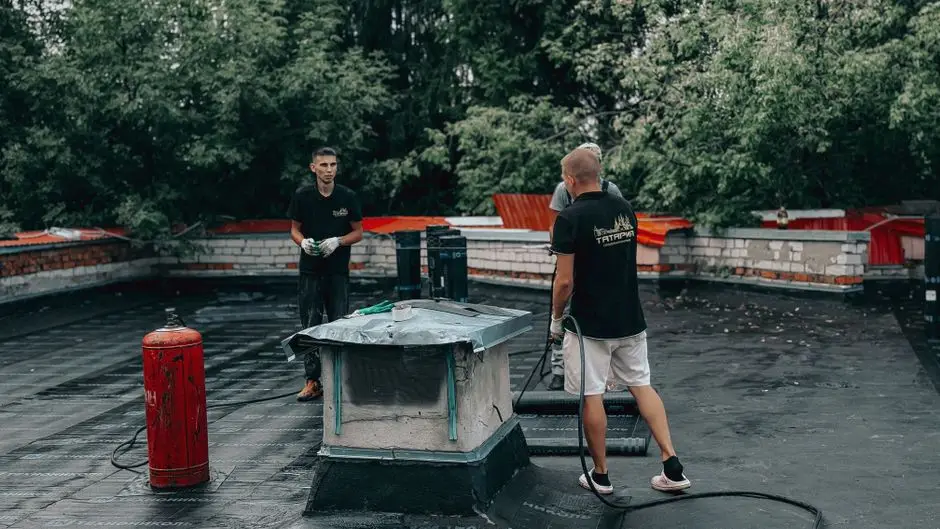
Emergency Flat Roof Repair
When active water enters a Stamford building during heavy rain, emergency service helps control immediate damage. We assess safe access, protect vulnerable areas, and address the opening with a temporary or permanent repair suited to conditions. Follow-up work restores the roof layers once the area is ready.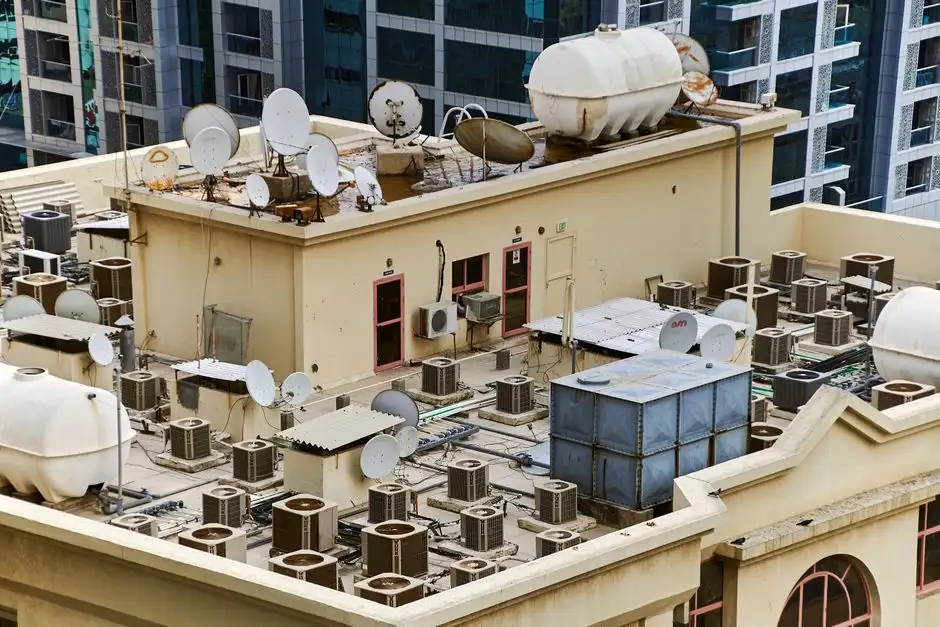
Flat Roof Leak Detection
Leak detection finds where water enters before a repair is selected. We inspect built-up roof layers, flashing, drains, and penetrations, using moisture checks or electronic leak detection equipment when appropriate. This service is useful when a ceiling stain appears far from the actual roof opening.Ready when you are
Schedule built-up roof repair Stamford CT
Stop a roof leak before it reaches more insulation or interior finishes. Call our Stamford team at +12036338054 to arrange an inspection and get upfront pricing for the repair. We follow applicable OSHA construction safety standards on roof work.
Talk with the local team
Request Built-Up Roof Repair
Tell us where the leak appears, when you first noticed it, and whether water is actively entering. Call +1 203-633-8054 during business hours, Monday through Friday, 8:00 a.m. to 6:00 p.m.; emergency requests are accepted around the clock. We serve Stamford, Connecticut, and can discuss the roof type, access, and next steps with you.