
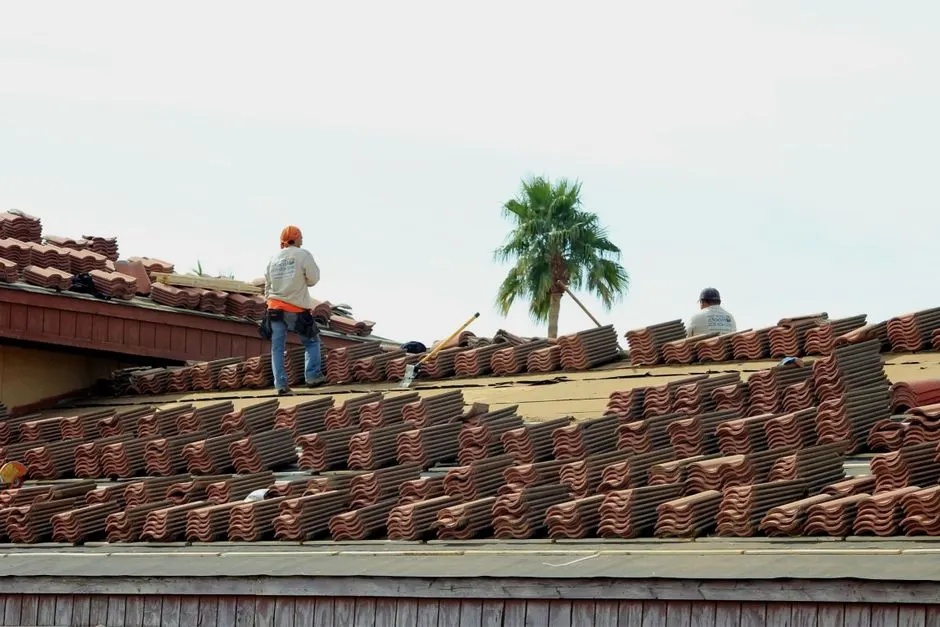
Stop leaks and protect your building with precise repairs
Commercial Flat Roof Repair in Stamford
Commercial Flat Roof Repair in Stamford helps property managers, building owners, and facility teams stop active leaks and protect roof assemblies before water reaches ceilings, equipment, or inventory. We inspect the membrane, seams, drains, and flashing, then match the repair to the existing roof system. From an office in Downtown Stamford to a warehouse near Glenbrook, we focus on a durable fix and a clear plan for keeping your building dry.
Live phone supportUpfront optionsBacked workmanship
What's included
What Commercial Roof Repair Includes
Our commercial repair covers inspection of the reported leak area, identification of the existing roof system, and repair of confirmed membrane or detail defects. We also check nearby drainage and visible flashing because those components can contribute to repeat leaks. If inspection finds extensive saturated insulation or widespread system failure, we explain the additional work needed instead of disguising it with a surface patch.
Leak Source Inspection
We review interior water marks and inspect the corresponding roof area, including seams, penetrations, drains, and flashing. A moisture meter can help assess suspicious areas. You receive a clear explanation of the likely entry point and the evidence that supports the repair.
Membrane Defect Repair
We repair compatible membrane punctures, tears, or open seams after cleaning and preparing sound material around the defect. The repair method depends on whether your roof uses EPDM, TPO, PVC, modified bitumen, or built-up roofing. We check the finished edge for adhesion or weld continuity.
Flashing and Penetration Work
We address failed transitions around rooftop units, pipes, walls, and skylight curbs when those details are the confirmed leak source. The work restores the connection between flashing and roof membrane with materials suited to the assembly, reducing water entry at vulnerable changes in plane.
Drainage Check
We inspect accessible drains and scuppers for blockage, damaged components, or defects where they meet the membrane. Where included in the repair, we clear the route or correct the affected detail and confirm water can move toward the outlet. This helps prevent a repaired area from remaining under standing water.
Work Summary and Next Step
We show you the repair area and summarize the work completed, along with any related issue found during inspection. If the roof has signs of wider moisture or recurring failure, we identify the area that needs further attention. You leave knowing what was repaired and what to watch.
Service overview
Commercial Flat Roof Repair in Stamford Explained
Commercial Flat Roof Repair in Stamford is a building-envelope service that locates and corrects defects in low-slope roofing to stop water entry and preserve the roof assembly. Our work can include repairing membrane punctures and tears, resealing open seams, replacing failed flashing, clearing drainage paths, and addressing saturated insulation when the affected area is confirmed. We identify the roof material first, because EPDM, TPO, PVC, modified bitumen, and built-up roofs require different repair products and techniques. A sound repair ties into the existing system rather than covering a symptom with an incompatible patch.
Stamford buildings face wind-driven rain, freeze-thaw cycles, wet autumn leaves, and winter snow that can expose weak seams or slow drainage. A blocked scupper can leave water ponding long after a storm, while a leak near a rooftop unit may travel before it shows on an office ceiling. Our Stamford commercial flat roof repair starts with tracing the water path, not guessing from the stain. For flat roof leak repair for Stamford office buildings CT, we inspect penetrations, drains, and interior evidence, then explain which defects need repair now and which warrant monitoring.
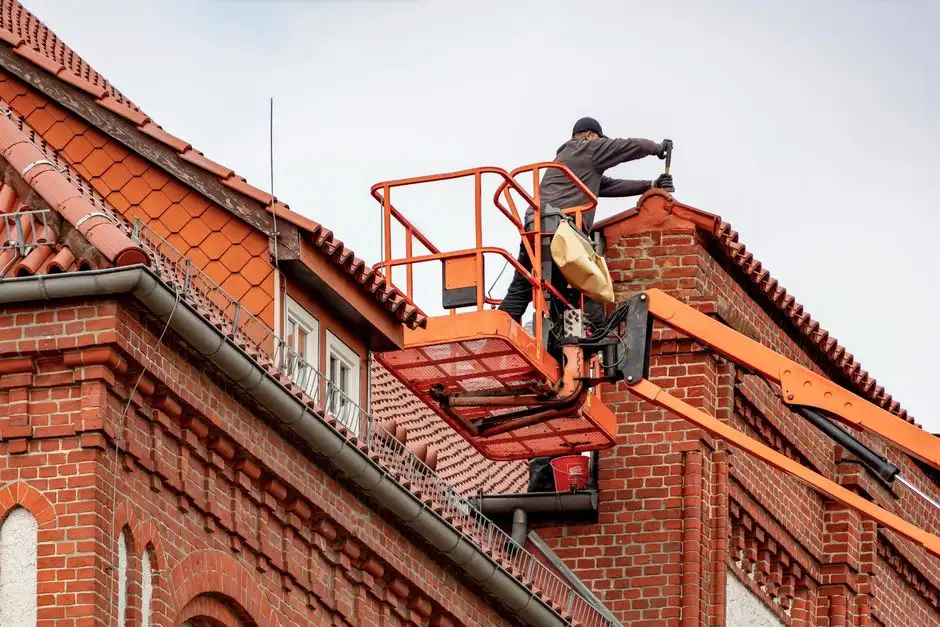
How we workWe verify the cause, compare realistic options, and confirm the repair before we leave.
The service timeline
What to Expect During Repairs
The process flexes to the condition, but these checkpoints keep decisions clear.
Check the Leak
We start by asking where water appeared, when it showed up, and whether it follows heavy rain or wind. On site, we inspect the interior stain and the roof area above and around it; water can travel several feet beneath a membrane before appearing indoors. Initial inspection and leak tracing often take 30 to 90 minutes, depending on roof access and complexity.
Identify the System
Our crew checks the membrane type, seam construction, flashing, drainage, and previous repairs before selecting materials. A roofing probe and moisture meter help assess suspicious areas without treating every soft spot as a confirmed leak. We note whether the roof is EPDM, TPO, PVC, modified bitumen, or built-up roofing so the repair bonds with the existing assembly.
Prepare the Area
We remove loose material, dry the work surface, and expose sound membrane around the defect. Dust, moisture, and old incompatible patch material can undermine adhesion, so preparation matters as much as the patch itself. If rain is entering during the visit, we first apply temporary protection and secure the area before completing a permanent repair.
Complete the Repair
We use a compatible patch, seam treatment, flashing repair, or drainage correction based on the verified cause. For thermoplastic membranes, a hot-air welder and seam roller create a bonded repair; other systems require their approved adhesives, primers, or asphalt details. A localized repair commonly takes two to four hours, while wet insulation or multiple defects extend the work.
Test and Document
Before leaving, we inspect the repair perimeter, check nearby drainage, and perform an appropriate seam or water-flow check when conditions allow. We show you the repaired location and explain any separate concern found during inspection, such as saturated insulation or deteriorated edge metal. You get a straightforward summary of completed work and the next useful maintenance step.
Tools & methods
Tools and Repair Methods
Purpose-built equipment, used by trained technicians, so the job is done accurately the first time.
Infrared thermography camera
We use thermal patterns to help identify areas that may hold moisture beneath a roof surface when weather, roof construction, and scanning conditions make the method useful.
Moisture meter
A moisture meter helps compare suspect roof or interior materials and assess whether water has affected the repair area beyond the visible membrane defect.
Electronic leak detection equipment
On compatible roof assemblies, this equipment helps locate membrane breaches that are difficult to see, narrowing the repair area before material is opened.
Hot-air welder and seam roller
For compatible thermoplastic membrane repairs, the hot-air welder bonds the patch and the seam roller applies even pressure. We inspect the finished weld for continuity.
Drain inspection camera
A drain inspection camera helps check accessible drainage paths for blockage or damage that can contribute to ponding and recurring leaks near outlets.
Use cases
When to Schedule Commercial Repairs
These examples show how the service framework adapts rather than forcing every call through one repair.
Warehouse Scupper Ponding
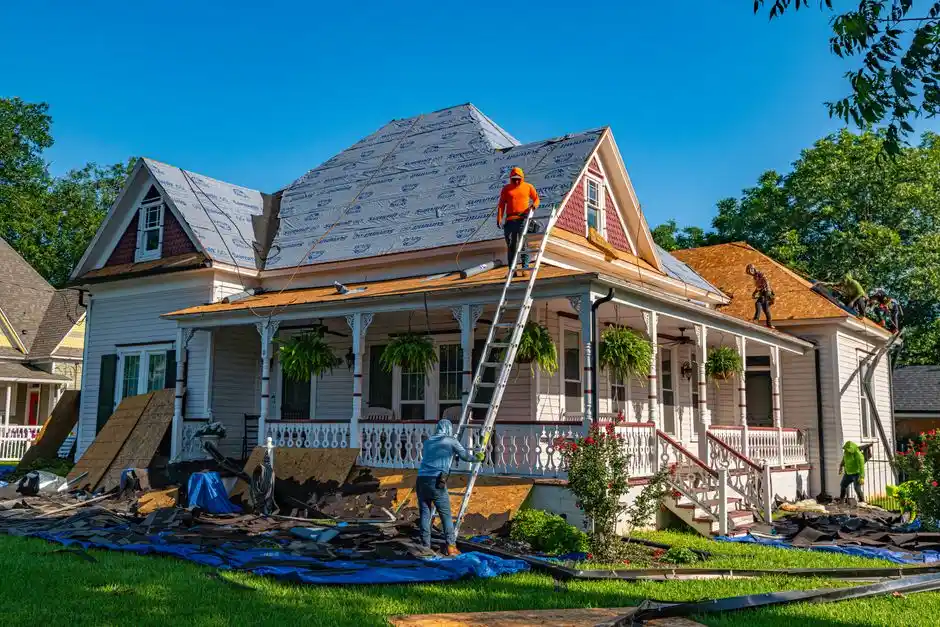
A warehouse roof in Harbor Point held water near a scupper after rain. Wet insulation was suspected near the outlet, and the water remained visible more than a day later. Staff also noticed a musty smell inside the adjoining storage area. → We found debris restricting the scupper and a failed membrane connection at the outlet. The crew cleared the drainage path, repaired the surrounding detail, and checked water movement after the work. The customer received a marked repair area and guidance on the suspected moisture boundary for follow-up.
Failed Flashing at Rooftop Unit
A commercial building in Glenbrook had recurring water near a corridor ceiling below a rooftop ventilation unit. Several small patches had been added around the open roof area, but the leak returned during wind-driven rain. The failed curb transition had not been corrected. → We inspected the curb and found deteriorated flashing where it joined the membrane. The crew rebuilt the affected transition with compatible materials and checked the adjoining seams. The leak source was addressed directly, and the facility coordinator could see which detail had been repaired.
Problems we solve
Solve Common Stamford Roof Leak Problems
A roof leak can interrupt tenants, damage stock, and create unsafe conditions around electrical equipment. In Stamford, wind-driven rain and clogged autumn drainage often expose weak seams and flashing. We find the defect, explain its effect on your building, and make a repair that suits the roof assembly.
Water appears indoors several feet away from the visible roof defect.
We compare the interior stain with roof-level seams, penetrations, and drainage details instead of assuming the nearest spot is the source. A moisture meter or electronic leak detection equipment can help narrow the search when appropriate. Once we confirm the entry point, we repair the affected membrane or flashing and check nearby details for another path.
Standing water remains around a drain after rain has passed.
We inspect the drain, scupper, and surrounding membrane for debris, damage, or failed connections. Our crew clears accessible blockage and repairs the affected detail, then checks water flow. If the roof profile itself contributes to persistent ponding, we explain the correction required rather than claiming a patch will fix the slope.
A repaired seam opens again after wind and heavy rain.
We inspect the old repair, confirm the membrane type, and remove loose or incompatible material where necessary. The new repair ties into sound membrane using a compatible method, such as a properly prepared patch or heat-welded seam where appropriate. We check the repair perimeter before leaving.
Water enters around a rooftop unit, skylight, or pipe penetration.
We examine the curb or penetration transition, flashing attachment, and adjoining membrane to find the failed connection. We rebuild or reseal the detail with compatible materials and test the repaired area when conditions allow. The work focuses on the transition rather than applying a patch several feet away.
Pricing process
Commercial Roof Repair Pricing
$350 - $1,500 for many localized repairs; $1,500 - $8,000+ for larger membrane, flashing, or insulation work
Roof material and system
EPDM, TPO, PVC, modified bitumen, and built-up roofs use different materials and repair methods. Matching the existing assembly affects labor and product costs, especially when a thermoplastic seam needs heat welding or a layered system needs careful preparation.
Repair area and quantity
A single puncture or short seam repair costs less than multiple defects spread across a large roof. Larger areas require more material, preparation, and time. We define the affected area after inspection rather than pricing from an interior stain alone.
Insulation moisture
If insulation is wet, a surface patch will not restore the damaged assembly. Removing and replacing saturated material adds labor and materials, and the repair boundary depends on the moisture extent. Confirming that boundary helps avoid replacing sound sections unnecessarily.
Who provides commercial flat roof repair in Stamford CT?
Flat Roof Repair Stamford provides commercial roof inspection and repair across Stamford, Connecticut. We identify the roof membrane and leak source, then repair seams, flashing, punctures, or drainage defects with compatible materials. For a commercial flat roof repair contractor near me Stamford CT, call +12036338054 and tell us where the leak appeared, whether it is active, and what type of building needs service. That information helps us prepare for the right access and repair method.
How quickly can a commercial roofing contractor repair a leak?
A localized, accessible leak repair often takes two to four hours after inspection, while urgent leak response depends on safe access and crew availability. We first limit active water entry, then complete a permanent repair when the surface and weather allow. A same-day visit is possible when scheduling and conditions align. Wet insulation, multiple leak paths, or a large repair area can extend the job beyond one visit.
What does commercial flat roofing repair cost in Stamford?
A small commercial roof repair often costs $350 to $1,500 in typical 2026 pricing, while larger membrane or insulation repairs can run $1,500 to $8,000 or more. The price depends on roof access, membrane type, repair size, wet insulation, and whether flashing or drains need work. We inspect the defect and explain upfront pricing before the repair begins. A commercial roof repair estimate for a flat roof Stamford should define the affected area and repair method.
When should I call for commercial flat roof repair?
Call as soon as you see an active ceiling leak, bubbling membrane, separated seam, or water ponding for more than 48 hours. Water near electrical gear or sensitive inventory needs prompt attention. We inspect the roof and interior evidence, then determine whether temporary protection or a permanent repair is appropriate. Do not walk a wet or icy roof; restrict access below the leak and contact our team.
Related services
Related Roofing Services
Flat Roof Repair
For Stamford commercial properties, broader flat roof repairs address defects beyond one isolated leak, including damaged membrane sections and failing details. We inspect the roof assembly, confirm the affected area, and choose a compatible repair. This is a practical option when several related defects need attention during one visit.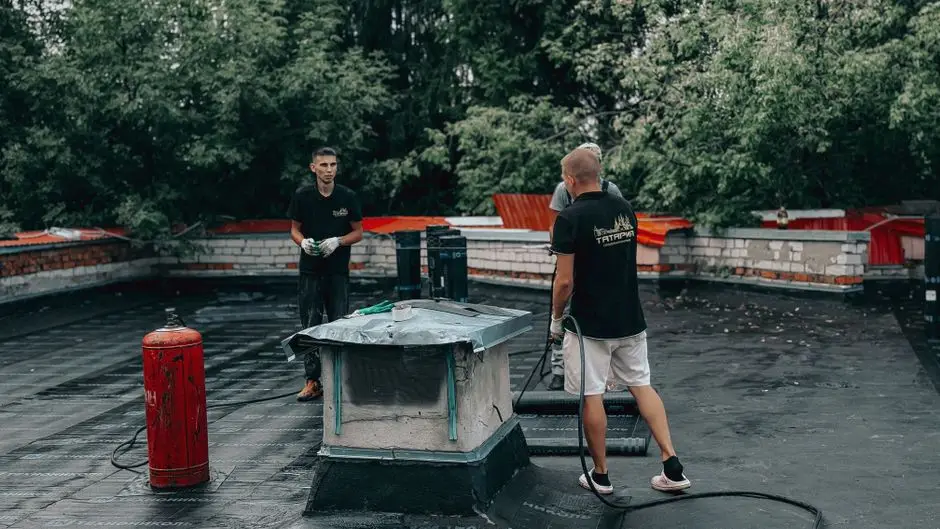
Emergency Flat Roof Repair
When water is actively entering a Stamford business, emergency service focuses first on limiting damage to interiors, equipment, and stock. We assess safe roof access, apply temporary protection when needed, and identify the permanent repair. A post-storm visit can also check for wind displacement and open seams.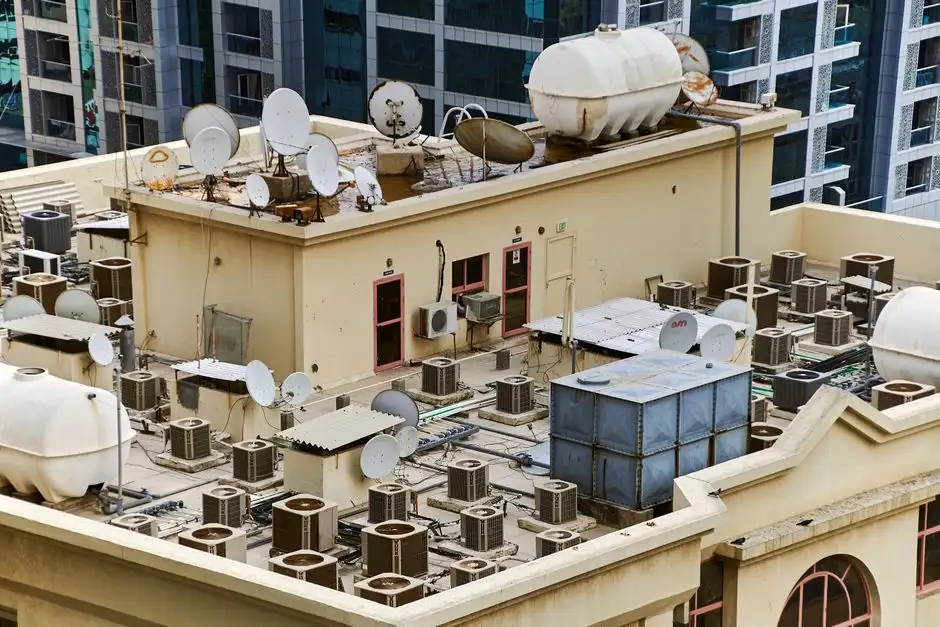
Flat Roof Leak Detection
Leak detection helps when the ceiling stain is far from the roof defect or repeated repairs have not stopped the water. We inspect likely entry points, drainage, and membrane details, using suitable detection equipment where conditions allow. The findings guide a focused commercial repair rather than another guess.Ready when you are
Book Commercial Flat Roof Repair in Stamford
Stop an active leak before it reaches more of your building. Call Flat Roof Repair Stamford at +12036338054 to describe the roof, the leak location, and any immediate safety concern. Our team will help you arrange the next step and explain upfront pricing for the repair.

Talk with the local team
Request Commercial Flat Roof Repair
Tell us where the leak appears, when you first noticed it, and whether water is actively entering. Call +1 203-633-8054 during business hours, Monday through Friday, 8:00 a.m. to 6:00 p.m.; emergency requests are accepted around the clock. We serve Stamford, Connecticut, and can discuss the roof type, access, and next steps with you.