
Renew a sound roof without premature replacement
Flat roof coating Stamford CT that protects
Flat roof coating Stamford CT helps homeowners, property managers, and commercial building owners protect a sound but weathered roof. Our Stamford team checks the membrane, repairs eligible defects, and applies a compatible coating to help limit water intrusion and slow surface deterioration. If your roof is aging but its structure remains serviceable, a careful assessment can show whether coating is a practical next step before another winter of rain, wind, and temperature swings.
Live phone supportUpfront optionsBacked workmanship
What's included
What flat roof coating includes
Flat roof coating includes an assessment of the existing surface, cleaning and preparation, compatible minor repairs identified in the agreed work, and application of the selected coating system. We check coverage and roof details after application and explain curing and maintenance. Significant structural repairs, replacement of saturated insulation, extensive drainage reconstruction, and full membrane replacement require separate work because coating cannot resolve those conditions.
Surface condition assessment
We inspect the membrane, seams, flashings, drains, and penetrations, noting visible defects and moisture concerns. This determines whether coating is suitable and which areas require correction first. You get a practical recommendation based on the roof rather than a product selected before inspection.
Cleaning and preparation
The crew removes loose debris and prepares the surface according to the coating manufacturer's instructions. We confirm the substrate is dry and stable before application. Proper preparation supports adhesion and reduces the chance that dirt, loose coating, or moisture will cause early failure.
Compatible detail repairs
We repair eligible minor defects, such as suitable seam or flashing issues, before coating the surrounding area. The repair method depends on the membrane type and product requirements. Larger failed sections or wet insulation need a broader repair plan rather than a surface treatment.
Coating application and check
We apply the specified system at its required coverage rate and inspect transitions, penetrations, and drains after the work. The crew records curing guidance and tells you when roof access can resume. This final check helps ensure vulnerable details receive attention alongside the open roof field.
Service overview
Flat roof coating Stamford CT explained
Flat roof coating Stamford CT is a protective roof treatment that seals and shields a serviceable flat-roof surface from weather exposure. The work starts with checking the existing membrane, seams, flashing, drains, and signs of trapped moisture; coating is not a substitute for repairing a failed roof. We clean and prepare the substrate, complete compatible repairs, and apply the specified product at its required coverage rate and dry-film thickness. A coating can reduce surface wear and help manage water exposure, but it cannot restore saturated insulation or correct structural failure.
Stamford roofs face driving rain, coastal wind, freeze-thaw cycles, and leaf buildup that can leave water standing around drains and scuppers. We look for punctures, open seams, flashing failures, and blistering before recommending a system. Stamford flat roof coating is most useful when the membrane remains sound and defects are localized. If you are weighing how to extend flat roof life with a roof coating in Stamford, we first establish whether moisture or drainage problems need correction.
How we workWe verify the cause, compare realistic options, and confirm the repair before we leave.
The service timeline
What to expect during coating
The process flexes to the condition, but these checkpoints keep decisions clear.
Inspect the assembly
On the first visit, we walk the roof and document membrane type, drainage, flashing, penetrations, and visible defects. A moisture meter and infrared thermography camera help identify suspect areas, while a roofing probe checks select seams and blisters. Most assessments take about 60 to 120 minutes for an accessible small roof, with larger commercial roofs requiring more time.
Confirm compatibility
We identify the roof surface before selecting a coating; EPDM, TPO, PVC, modified bitumen, and built-up roofing each require compatible preparation and products. We review manufacturer guidance, existing repairs, and any prior coating. You receive a clear explanation of whether the surface qualifies, what repairs come first, and which areas cannot be coated.
Repair and prepare
Our crew clears debris, cleans the surface, and repairs eligible punctures, seams, and flashing details. We use the specified primer and reinforcement where the system calls for them, then allow the surface to dry. Preparation can take several hours or a full workday; coating over dust, oil, wet substrate, or loose material undermines adhesion.
Apply in suitable weather
We apply the coating with the approved roofing brush and roller or other specified equipment, maintaining the product's coverage rate and wet-film thickness. The crew checks temperature, humidity, and the forecast because many products require a dry application window and several hours without rain. Large roofs may be divided into sections to control access and curing.
Check details and cure
After application, we inspect coverage, transitions, drains, and penetrations for missed areas or defects. We keep foot traffic off the roof for the product's stated cure period, often 24 to 72 hours depending on conditions and formulation. You receive care guidance, including when to resume rooftop work and when to schedule the next inspection.
Tools & methods
Tools and application methods
Purpose-built equipment, used by trained technicians, so the job is done accurately the first time.
Infrared thermography camera
We use thermal patterns to locate areas that warrant moisture investigation. Readings help focus follow-up checks; they do not replace physical inspection or confirm moisture on their own.
Moisture meter
A moisture meter checks suspect roof areas and helps determine whether the substrate is dry enough for coating. Readings guide repair decisions and help prevent sealing moisture into the assembly.
Roofing probe
We use a roofing probe to assess selected seams, blisters, and soft areas without relying on appearance alone. Findings help distinguish a surface issue from a deeper membrane or insulation concern.
Roofing brush and roller
These tools apply coating and detail materials to the specified coverage and film thickness. We select the method according to the product instructions, roof texture, and access conditions.
Drain inspection camera
Where access permits, a drain inspection camera helps check for obstruction or damage inside a drain line. This supports drainage corrections before a new protective coating is applied.
Fall-protection harness
Our crew uses fall-protection equipment and follows applicable OSHA requirements when accessing roof edges and elevated work areas. Safe access is planned alongside the coating sequence.
Use cases
When coating makes sense
These examples show how the service framework adapts rather than forcing every call through one repair.
Commercial roof with ponding
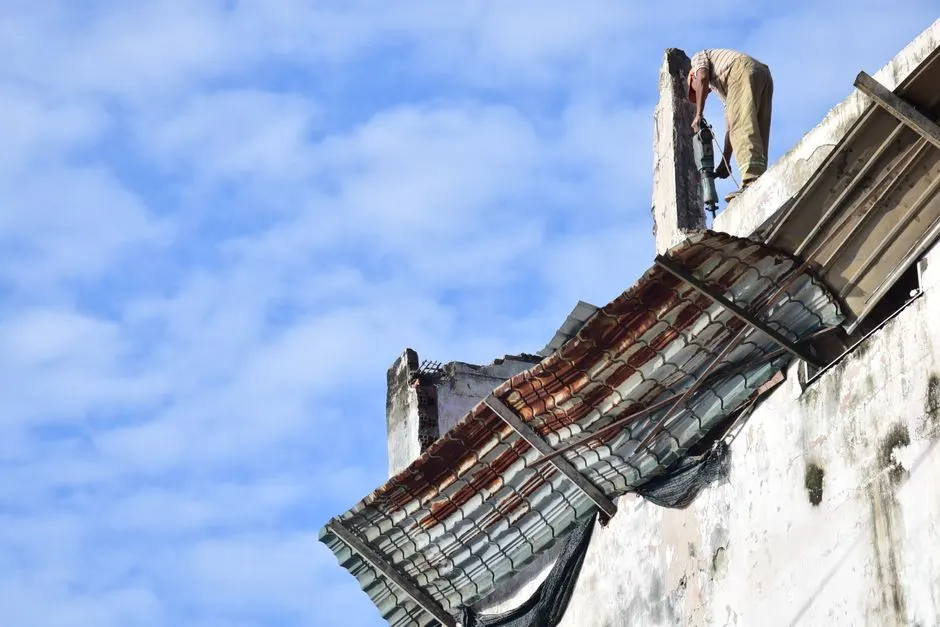
A small commercial building had water standing near one scupper after rain, along with coating wear around rooftop equipment. Applying a new layer without correcting drainage would have left the underlying cause in place. The property manager needed a plan that accounted for tenants and roof access. → We cleared and repaired the scupper area, treated eligible surface defects, and divided application into manageable roof sections. The crew checked the transitions around equipment and verified coverage before opening the surface to access. The result was a protected, more orderly roof field with drainage addressed first.
Patched roof facing replacement
A Stamford property owner was considering full replacement after noticing several old patches and weathered membrane. The roof had no confirmed widespread leak, but the condition of its insulation and seams was uncertain. A coating quote without inspection would not have answered whether the roof was suitable. → We inspected suspect areas, checked seams and drainage, and found localized repairs rather than evidence of broad assembly failure. After correcting those details and preparing the surface, we applied a compatible coating system. The owner avoided immediate tear-off and received clear limits on what the coating protects.
Problems we solve
Extend roof life with targeted coating
A coating can help protect a roof surface when the underlying assembly remains dry and stable. In Stamford, recurrent leaks after heavy rain, surface wear, and exposed repair patches often prompt a closer look. We identify the cause first, then decide whether coating belongs in the repair plan or whether the roof needs more substantial work.
Surface wear leaves a sound membrane exposed to weather.
We assess membrane condition and moisture, repair localized defects, then prepare and coat eligible areas with a compatible system. The application follows product coverage and curing requirements. If we find widespread deterioration, we explain why coating is not a responsible fix and outline the next repair option.
Water keeps standing around drains after storms.
We inspect drains and scuppers, remove obstructions, and check whether low areas or damaged components contribute to standing water. Drainage problems are addressed before coating. The coating protects a suitable surface; it does not level a roof or compensate for a drain that cannot carry water away.
Old patches and open seams invite recurring leaks.
We trace likely entry points, probe suspect seams, and repair material-specific defects before considering coating. If moisture is present below the surface, we address the affected assembly rather than sealing it in. Once the roof is dry and repairs are sound, coating may help protect the remaining membrane.
Wind-driven rain reaches weak flashing and roof edges.
We secure or repair flashing and edge details, inspect nearby membrane attachment, and verify the roof can support the proposed system. Coating follows only after vulnerable transitions are corrected. That sequence helps protect the roof field without ignoring the places where leaks commonly start.
Pricing process
Flat roof coating pricing
$2-$6 per square foot for many projects; smaller or repair-intensive roofs can exceed this range.
Roof size and access
Larger, unobstructed roofs generally allow more efficient application, while narrow access, height, rooftop equipment, and staging needs add labor. We assess how materials reach the roof and whether work must be divided into small sections around occupants or equipment.
Cleaning and preparation
Loose coating, heavy debris, contamination, and surface repairs require extra preparation before application. A clean, dry, stable substrate is essential for adhesion. If preparation reveals hidden damage, the repair plan and price must reflect the actual roof condition.
Membrane and coating compatibility
Different membranes require different primers, preparation steps, and coating systems. Prior treatments can affect compatibility and product selection. We identify the surface first, then price the materials and labor required by the selected manufacturer's instructions.
How much does flat roof coating cost in Stamford CT?
A small residential coating project often costs about $2 to $6 per square foot in 2026, depending on preparation and repairs. The total changes with roof size, access, membrane type, moisture findings, and coating system. We inspect the roof before pricing because seam repairs, saturated insulation, or drain correction can alter the scope. A commercial flat roofing coating estimate in Stamford should separate preparation, repairs, coating, and any required reinforcement.
Which coating is suitable for a flat roof in Stamford?
The suitable coating depends on the roof membrane, its condition, and prior treatments; silicone, acrylic, and polyurethane systems are not interchangeable. We identify the substrate, check compatibility, and follow product instructions for primer, coverage, and cure conditions. Silicone coating for a flat roof Stamford CT can suit some roofs exposed to ponding, but it is not automatically the right choice for every assembly. Drainage and repairs still matter.
Can a roof coating extend the life of my flat roof?
Yes, a compatible coating can add years of service to a sound, dry roof, but no fixed lifespan applies to every assembly. Results depend on preparation, application thickness, drainage, maintenance, and exposure. We first check for saturated insulation, open seams, and active leaks; those conditions need correction before coating. A coating is a protective maintenance measure, not a substitute for a failing roof or structural repair.
How long does flat roof coating take to apply?
A small roof can take one to two workdays for preparation and application, followed by roughly 24 to 72 hours of curing. Larger roofs or extensive repairs take longer. Temperature, humidity, surface dryness, and rain forecasts control the application window, so the crew will not coat a wet or unsuitable surface. We explain when you can resume rooftop access after the system cures.
Related services
Related Roof Services
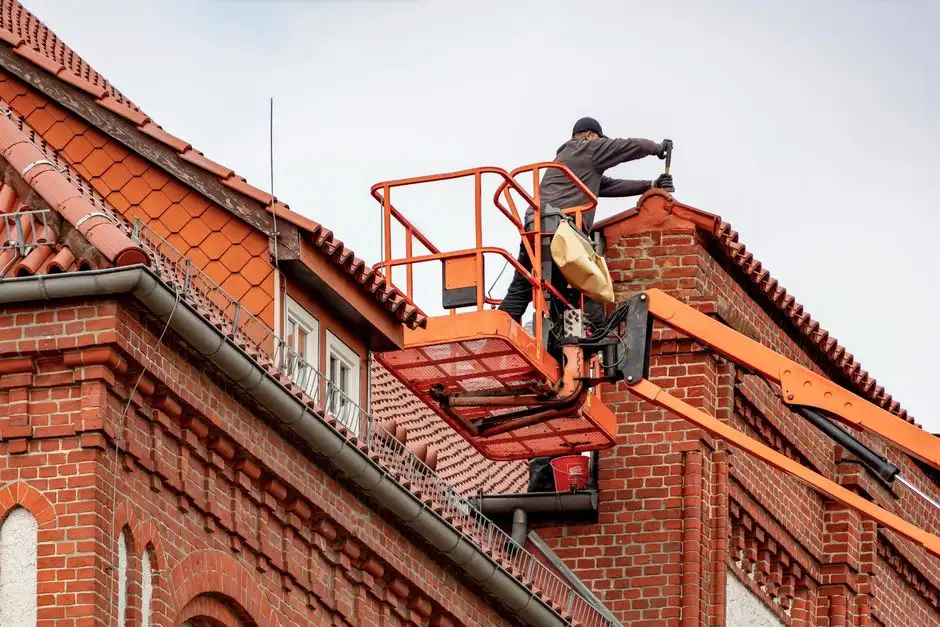
Flat Roof Repair
Before coating, we repair membrane damage that would compromise adhesion or leave water beneath the new surface. Stamford customers get a roof assessment that identifies punctures, loose details, and failed seams, then matches repairs to the existing assembly.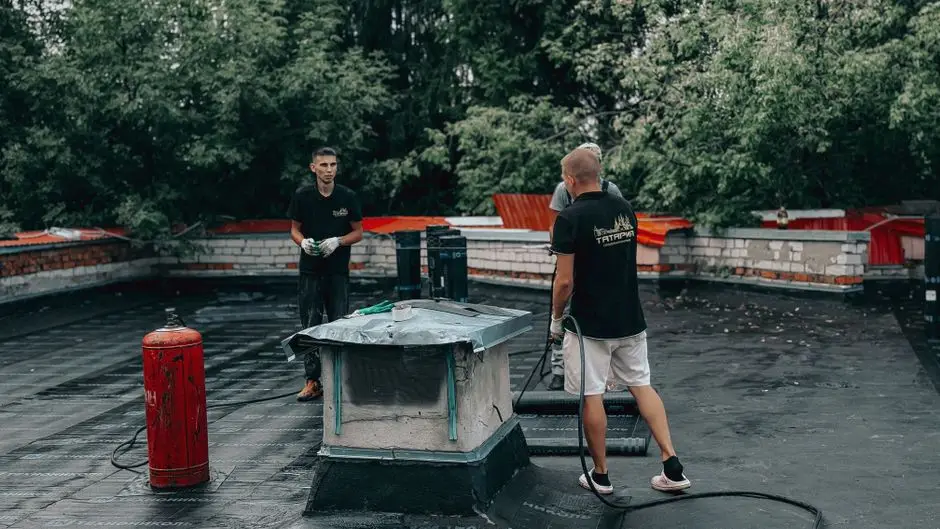
Emergency Flat Roof Repair
Active water entry needs control before a coating project can be considered. We address urgent leaks and exposed roof areas, then inspect the assembly after conditions stabilize. That prevents a coating from being used as a shortcut over storm damage.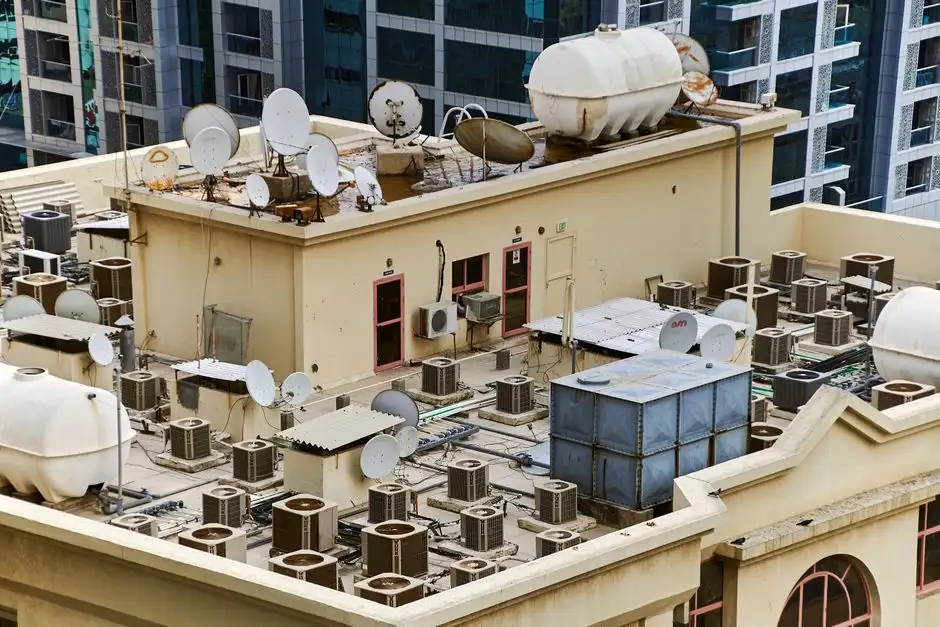
Flat Roof Leak Detection
A leak can travel far from its entry point, so coating should wait until the source is understood. We trace likely paths around seams, drains, skylights, and penetrations, helping Stamford property owners decide whether localized repairs or a broader restoration is appropriate.Ready when you are
Plan flat roof coating Stamford CT
If your roof is weathered but still sound, we can inspect it and explain whether coating is the right move. Call Flat Roof Repair Stamford at +12036338054 to arrange an assessment and discuss upfront pricing.
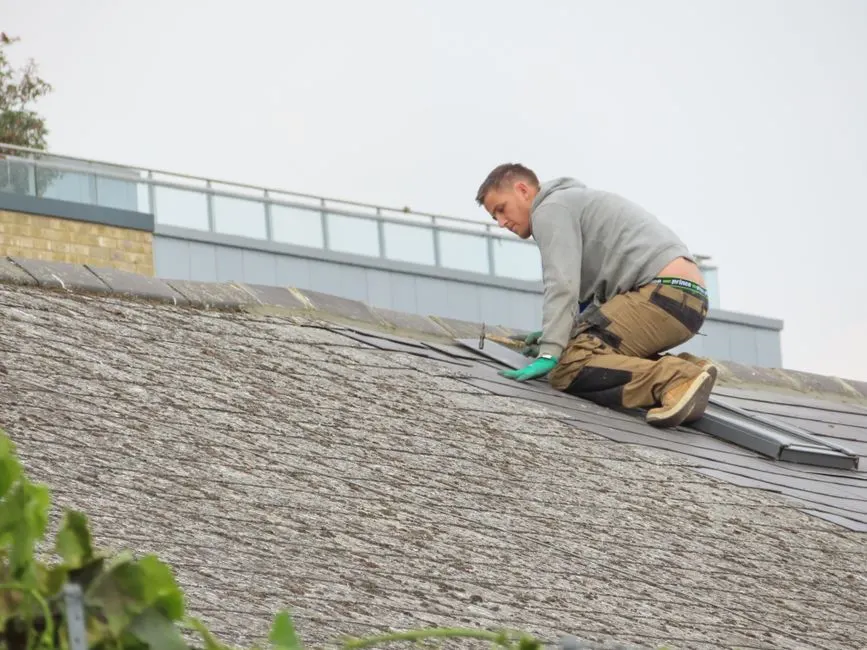
Talk with the local team
Request Flat Roof Coating
Tell us where the leak appears, when you first noticed it, and whether water is actively entering. Call +1 203-633-8054 during business hours, Monday through Friday, 8:00 a.m. to 6:00 p.m.; emergency requests are accepted around the clock. We serve Stamford, Connecticut, and can discuss the roof type, access, and next steps with you.