
A clear roof check for Stamford homes and businesses
Flat roof inspection Stamford CT: Find Leaks Early
Flat roof inspection Stamford CT gives property owners a practical way to find leaks, weak seams, drainage trouble, and hidden moisture before damage spreads. Our team checks residential and commercial roofs, explains what needs attention, and helps you decide on a sensible next step. A Stamford flat roof inspection is especially useful after heavy rain, before winter weather, or when a ceiling stain appears without an obvious source.
Live phone supportUpfront optionsBacked workmanship
What's included
What your flat roof inspection covers
Your inspection covers accessible roof surfaces, seams, edges, flashing, penetrations, and drainage components, followed by a review of visible moisture clues and defects. We provide findings and practical next steps. Specialized electronic testing, destructive investigation, and repairs are additional work when the roof condition calls for them; we explain those options before proceeding.
Membrane and seam review
We examine the roof surface for punctures, tears, blisters, open laps, and separation at seams. Where an edge looks suspect, a roofing probe helps assess the bond without cutting into sound membrane. We note the affected section and whether adjacent areas show similar wear.
Drainage and outlet check
We inspect accessible drains, scuppers, and nearby roof surfaces for debris, obstruction, damage, and standing water. If water remains ponded, we record its location and consider whether the outlet or roof shape is contributing. Clearing or repairing a drain is separate work when needed.
Flashing and penetration check
We look at flashing around skylights, vents, walls, curbs, and other roof penetrations for gaps, movement, deteriorated sealant, or water marks. These transitions are common leak paths. The inspection identifies the specific detail needing attention and the likely repair category.
Moisture indicators and notes
When the roof presents signs of trapped moisture, we use a moisture meter or infrared thermography camera to guide closer review. We record observed concerns and explain where additional testing could help. Instrument readings are interpreted alongside roof construction and visible conditions, not treated as a diagnosis by themselves.
Prioritized findings review
We walk you through urgent defects, maintenance needs, and items to monitor, using locations and photographs where useful. You can ask questions about repair options and timing. Recommended repair work is priced separately, with upfront pricing discussed before you decide to proceed.
Service overview
Flat roof inspection Stamford CT explained
Flat roof inspection Stamford CT is a roof condition service that identifies visible defects, drainage problems, and signs of concealed moisture before repair decisions are made. We walk the roof in a planned pattern, inspect membrane seams and transitions, check drains and scuppers, and examine flashing around skylights, vents, and equipment. Where the surface suggests trapped moisture, we use a moisture meter or infrared thermography camera to guide further checks. You receive clear findings, photographs where useful, and priorities based on water entry risk rather than a generic list of possible work.
Stamford roofs face nor'easter rain, freeze-thaw cycles, wind exposure, and leaf buildup that can restrict drainage on low-slope surfaces. A blocked drain can leave water standing long after rainfall, while a small opening at a parapet or rooftop penetration can send water into insulation before a ceiling stain appears. Our flat roofing assessment Stamford CT service helps homeowners, landlords, and facility managers understand what is happening. If you are searching for a flat roof inspection after a storm in Stamford, we check for displaced edges, punctures, open seams, and fresh water paths.
How we workWe verify the cause, compare realistic options, and confirm the repair before we leave.
The service timeline
What to expect during inspection
The process flexes to the condition, but these checkpoints keep decisions clear.
Review roof history
We start by asking where leaks appear, when they occur, and what repair or coating work has been done. You can point out interior stains, recurring drips, or areas that hold water. This conversation usually takes 10 to 15 minutes and helps us focus the roof walk without overlooking less obvious transitions or past repair patches.
Set safe access
Before going up, we identify the access route, check the weather, and secure the work area. Our crew follows OSHA fall-protection requirements and uses a fall-protection harness where the roof conditions call for it. If wind, ice, or lightning makes access unsafe, we reschedule the roof walk rather than risk an uncontrolled inspection.
Walk and examine
We check the roof in sections, looking at the field membrane, laps, perimeter, penetrations, drains, scuppers, and rooftop equipment. A roofing probe helps assess suspect seams without damaging sound material. We note punctures, blistering, displaced membrane, deteriorated edge metal, and signs that water is backing up at a drain.
Check moisture clues
When surface evidence points to concealed water, we use a moisture meter or infrared thermography camera to target the area for closer review. Electronic leak detection equipment is used where the roof assembly and conditions suit that method. These checks help distinguish a surface defect from a broader insulation concern; they do not replace opening the assembly when confirmation requires it.
Explain findings
We review the findings with you, identify urgent items, and explain repair options in plain language. You receive photographs or location notes for the defects we observed, plus maintenance priorities such as clearing a drain or monitoring a patch. We give upfront pricing for recommended work so you can decide what to address first.
Tools & methods
Inspection tools and methods
Purpose-built equipment, used by trained technicians, so the job is done accurately the first time.
Infrared thermography camera
We use thermal patterns to help identify areas that may hold moisture beneath a roof surface. Readings are compared with visible conditions and roof construction before we recommend further investigation.
Moisture meter
A moisture meter checks suspect materials where accessible and helps compare a questionable area with nearby roof sections. We use readings as supporting evidence, not as a standalone verdict.
Roofing probe
A roofing probe helps assess suspect laps, seams, and surface transitions with controlled pressure. It can reveal a loose bond or open edge without cutting into areas that appear sound.
Drain inspection camera
Where access and drain configuration allow, a drain inspection camera helps check the visible path for obstruction or buildup. It supports the roof-level review of slow drainage and recurring ponding.
Fall-protection harness
A fall-protection harness is used where roof access and edge exposure require personal fall protection. We plan the access route and work area before stepping onto the roof.
Use cases
When to inspect a flat roof
These examples show how the service framework adapts rather than forcing every call through one repair.
Ponding near commercial drains
A downtown property manager saw water remaining around two roof drains more than 48 hours after rainfall. Debris had collected near one outlet, and the roof team had no consistent record of where ponding occurred. The standing water raised concern about seams and nearby equipment curbs. → The inspection documented both ponding areas, a restricted drain, and a worn seam beside a curb. Clearing and correcting the affected details gave the manager a location-based maintenance plan. The follow-up review confirmed improved outlet flow and reduced standing water at the inspected locations.
Wind-loosened roof perimeter
After strong wind in Shippan Point, a homeowner noticed a loose roof-edge section and a damp mark near an upstairs wall. From the ground, the visible movement looked limited, but the condition left the perimeter exposed to further wind-driven rain. → The roof walk found displaced edge metal and a small opening at the adjacent membrane termination. The inspection identified the affected run and nearby details requiring attention. Once repaired, the perimeter was secured, and the homeowner had a record of the storm-related defects and the locations checked.
Problems we solve
Stop flat-roof problems before spread
A small defect can let water travel through a roof assembly before it reaches the ceiling. Our inspection looks for the entry point, the path water may be taking, and conditions that keep the problem active. That gives you a workable response rather than another temporary patch.
A ceiling stain returns after every heavy Stamford rain.
We compare the reported leak timing with roof details above and around the affected room. The inspection checks seams, penetrations, and flashing for water paths, then identifies the most likely entry point. If the source is not visible, we explain whether moisture testing or leak detection is the next useful step.
Standing water remains beside a blocked drain or scupper.
We inspect the outlet, surrounding membrane, and roof surface to determine whether debris, damage, or low areas are restricting drainage. We record where water collects and how much of the roof is affected. You receive a clear recommendation, from outlet service to further drainage correction.
Wind has lifted the roof edge or shifted membrane.
We check edge metal, coping, membrane termination, and nearby seams for movement after the storm. The findings distinguish a localized loose detail from wider displacement. We explain which areas need prompt securing and whether the roof should be checked again after repair.
A flat roof leaks around a skylight or rooftop equipment curb.
We inspect the curb, flashing, seals, and surrounding membrane for gaps or water marks. Our team traces the detail into adjacent roof sections and documents the suspected path. If a repair is required, we target the exterior transition that is allowing water inside.
Pricing process
Flat roof inspection pricing
$180 - $900+ depending on roof size, access, and testing
Roof size and layout
A larger roof takes more time to walk and document, especially when it has multiple elevations or separated sections. A compact residential roof with clear access is usually less involved than a commercial surface with many zones, drains, and rooftop equipment.
Access and safety needs
Roof height, ladder placement, access restrictions, and edge exposure affect inspection setup. A property requiring additional access coordination or more extensive fall protection takes longer to assess safely than a roof with straightforward, secure access.
Moisture investigation
A visual roof walk is different from targeted moisture investigation. If readings, repeated leaks, or visible blistering call for additional checks, the time and equipment involved can increase the price. We explain the added diagnostic work before proceeding.

How often should a flat roof be inspected in Stamford?
Inspect a flat roof at least twice a year, in spring and fall, and after significant storm damage. Stamford's wind, rain, freeze-thaw cycles, and falling leaves can expose weak seams or block drainage between scheduled checks. We also recommend an inspection before a major property sale or after recurring leaks. A pre-winter flat roof inspection Stamford, Connecticut gives you time to address open seams and drain problems before cold weather.
What does a flat roofing inspection include?
A flat roofing inspection includes a roof walk, membrane and seam checks, drainage review, flashing and penetration inspection, and documentation of visible defects. We check drains and scuppers for obstruction, look for ponding water and membrane damage, and investigate moisture clues when needed. The exact methods depend on roof material and access. We explain what we found and separate immediate repair concerns from routine maintenance.
How much does a flat roof inspection cost in Stamford CT?
Typical 2026 pricing in Stamford is about $180 to $450 for a straightforward residential inspection, with larger or complex commercial roofs often costing $450 to $900 or more. Roof size, access, number of penetrations, moisture testing, and reporting needs affect the total. We discuss the inspection scope and price upfront. Repairs, destructive testing, or specialized testing beyond the roof walk are priced separately when needed.
How long does a flat roof inspection take?
A straightforward residential inspection usually takes 1 to 2 hours; larger commercial roofs often take 2 to 4 hours. Roof area, safe access, rooftop equipment, and suspected moisture affect the time. We review the roof history first, inspect the surface and details, then explain the findings. If you are ready to schedule a flat roofing assessment in Stamford, call us with the property type and any known leak locations.
Related services
Related roofing services
Flat Roof Repair
When our inspection finds a localized tear, open seam, or failed flashing, repair addresses that defect before water spreads. We match repair materials to the existing roof assembly and check nearby details for related wear. Stamford property owners can move directly from documented findings to a focused repair plan.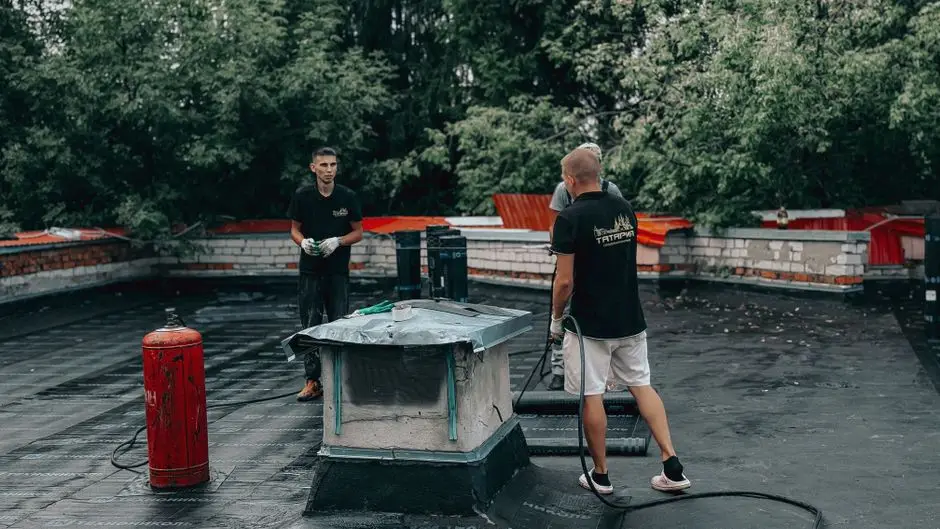
Emergency Flat Roof Repair
Active water entry after a storm needs attention before interior damage grows. We use inspection findings to locate the likely entry point, protect exposed areas, and identify a lasting repair path. For Stamford buildings with water entering during heavy rain, call +1 203-633-8054 to discuss urgent roof damage.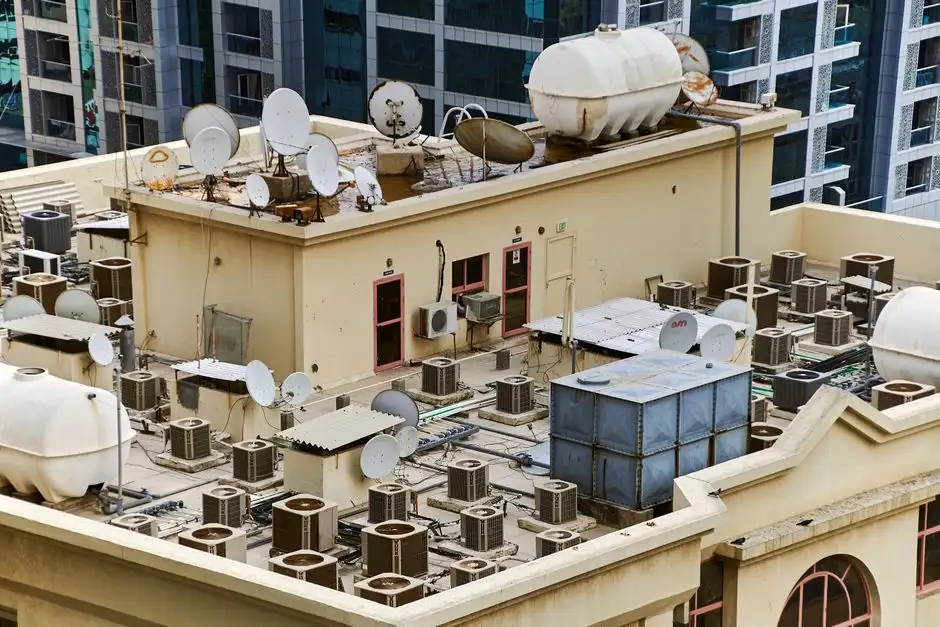
Flat Roof Leak Detection
A ceiling stain does not always sit beneath the roof opening. Leak detection follows water paths across seams, penetrations, and drainage details to narrow down the source. Our inspection notes help focus that investigation, especially when a leak returns after earlier patching or appears only during wind-driven rain.Ready when you are
Book a Stamford flat roof inspection
Get a direct assessment of the leak, seam, or drainage concern affecting your roof. We explain the findings and give upfront pricing for recommended work. Call Flat Roof Repair Stamford at +1 203-633-8054 to arrange your inspection.
Talk with the local team
Request Flat Roof Inspection
Tell us where the leak appears, when you first noticed it, and whether water is actively entering. Call +1 203-633-8054 during business hours, Monday through Friday, 8:00 a.m. to 6:00 p.m.; emergency requests are accepted around the clock. We serve Stamford, Connecticut, and can discuss the roof type, access, and next steps with you.