

Built for Stamford homes, businesses, and changing weather
Flat roof installation Stamford CT for lasting protection
Flat roof installation Stamford CT gives homeowners, property managers, and commercial building owners a watertight roof designed around the structure, drainage, and daily use. We assess the existing deck, insulation, edges, and roof penetrations before recommending a system. If leaks keep returning after heavy rain or the membrane has reached the end of its service life, our Stamford team plans a practical replacement that protects the building and limits disruption.
Live phone supportUpfront optionsBacked workmanship
What's included
What flat roof installation includes
A complete installation addresses the roof assembly from its supporting surface through the exposed membrane and perimeter details. We inspect the deck, plan drainage, install the specified materials, and seal transitions. Work is based on the agreed roof condition and system design; structural changes, major drain relocation, or concealed damage discovered after tear-off are handled as additional work and explained before proceeding.
Roof and deck review
We inspect the existing roof, visible deck condition, edges, drains, and penetrations before installation. Where tear-off is required, we check the exposed substrate for deterioration and identify areas that need correction so the new assembly is installed on a suitable base.
Insulation and cover board
The assembly can include polyisocyanurate insulation and cover board selected for the roof design. We address wet or damaged material rather than sealing it beneath a new membrane. Insulation layout and attachment follow the selected system's requirements.
Membrane and seam work
We install the specified EPDM membrane, TPO membrane, PVC membrane, modified bitumen membrane, or other approved roof covering. Seams are completed using the system's required method, with attention to surface preparation, overlap, welding, or adhesive application.
Flashing and perimeter details
Roofing flashing ties the field membrane into walls, curbs, skylights, and other penetrations. We also inspect coping and edge metal because wind and water often exploit loose or deteriorated perimeter details. Drain and scupper components are included where specified.
Final inspection and guidance
We review finished seams, drains, scuppers, penetrations, and roof edges before cleanup. You receive practical guidance on keeping drains clear and arranging seasonal inspections. Major structural modifications and unrelated roof equipment work are not part of a standard membrane installation.
Service overview
Flat roof installation Stamford CT, explained
Flat roof installation Stamford CT is a roofing construction service that creates a weather-resistant roof assembly for buildings with low-slope roofs that need new protection. We remove or prepare the existing roofing as appropriate, inspect the deck, correct drainage details, and install insulation, cover board, membrane, flashing, and edge components as the selected system requires. A flat roof is not perfectly level; it needs carefully planned slope and functioning drains so rainwater moves off rather than sitting over seams. We match materials to the building, use, and approved assembly requirements.
Stamford buildings face coastal wind, heavy rain, freeze-thaw cycles, and winter snow, all of which expose weak seams and drainage details. Our Stamford flat roof installation work starts with the actual roof condition, not a one-size-fits-all product pitch. For a new flat roofing installation estimate in Stamford, we check membrane condition, insulation moisture, drains, scuppers, parapets, and penetrations. That helps you distinguish a roof that needs replacement from one where a targeted repair or restoration can solve the problem.
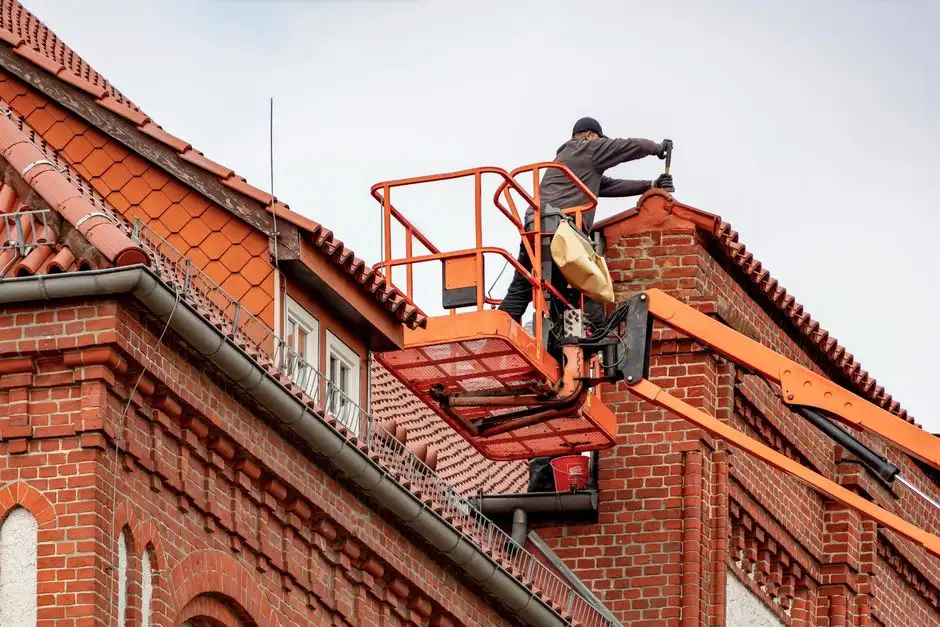
How we workWe verify the cause, compare realistic options, and confirm the repair before we leave.
The service timeline
What to expect during installation
The process flexes to the condition, but these checkpoints keep decisions clear.
Roof assessment
We inspect the roof surface, edges, drains, scuppers, penetrations, and interior signs of water entry. A drain inspection camera helps us check concealed drain sections, while a moisture meter identifies areas that need closer review. The visit usually takes 1 to 3 hours, depending on roof access and size, and you receive a clear explanation of the findings.
Assembly planning
We compare the roof's existing construction with the intended use, slope, insulation needs, and manufacturer-approved system requirements. You will see the proposed membrane and detail approach, including how edges, drains, and penetrations will be handled. We also identify access and staging needs so installation does not begin with avoidable surprises.
Preparation and tear-off
Our crew protects the property, removes failed roofing where the plan calls for tear-off, and checks the exposed deck. Damaged substrate and saturated insulation are addressed before the new assembly is installed. On a typical small-to-medium roof, preparation can take 1 to 2 days; larger or layered roofs need more time.
Membrane installation
We install the specified insulation, cover board, membrane, flashing, and edge details in sequence. For heat-welded systems, a hot-air welder and seam roller help create consistent welded seams; other systems use approved adhesive or seam tape and primer. Temperature, surface condition, and product instructions guide the method used at each joint.
Detail checks and cleanup
Before leaving, we inspect seams, transitions, drains, scuppers, and penetrations, then clear debris from the work area. Electronic leak detection equipment or other suitable checks can be used when the assembly and conditions allow. We review the finished roof with you, explain maintenance points, and identify any access restrictions.
Tools & methods
Tools and installation methods
Purpose-built equipment, used by trained technicians, so the job is done accurately the first time.
Infrared thermography camera
We use infrared readings under suitable conditions to help locate temperature patterns associated with trapped moisture. The results guide closer inspection; they are interpreted with roof conditions and other checks rather than treated as a standalone diagnosis.
Moisture meter
A moisture meter checks suspect insulation or substrate areas during assessment. We compare readings with surrounding locations to decide whether materials should be opened, dried, or replaced before the new membrane covers them.
Electronic leak detection equipment
Where the roof assembly and conditions permit, electronic leak detection equipment can help identify discontinuities in a membrane. We use the findings to focus repair or inspection work and verify vulnerable areas.
Hot-air welder and seam roller
For compatible thermoplastic systems, a hot-air welder heats the membrane seam and a seam roller applies consistent pressure. We follow product requirements and check the finished seam instead of relying on appearance alone.
Drain inspection camera
A drain inspection camera lets us examine accessible drain sections for obstruction or damage. Checking the route helps distinguish a membrane issue from a drainage restriction that could leave water standing on the roof.
Fall-protection harness
A fall-protection harness is part of safe roof access where the work conditions require it. We plan access and edge protection around the roof layout and follow applicable OSHA construction safety standards.
Use cases
When a new flat roof makes sense
These examples show how the service framework adapts rather than forcing every call through one repair.
Commercial roof seams renewed
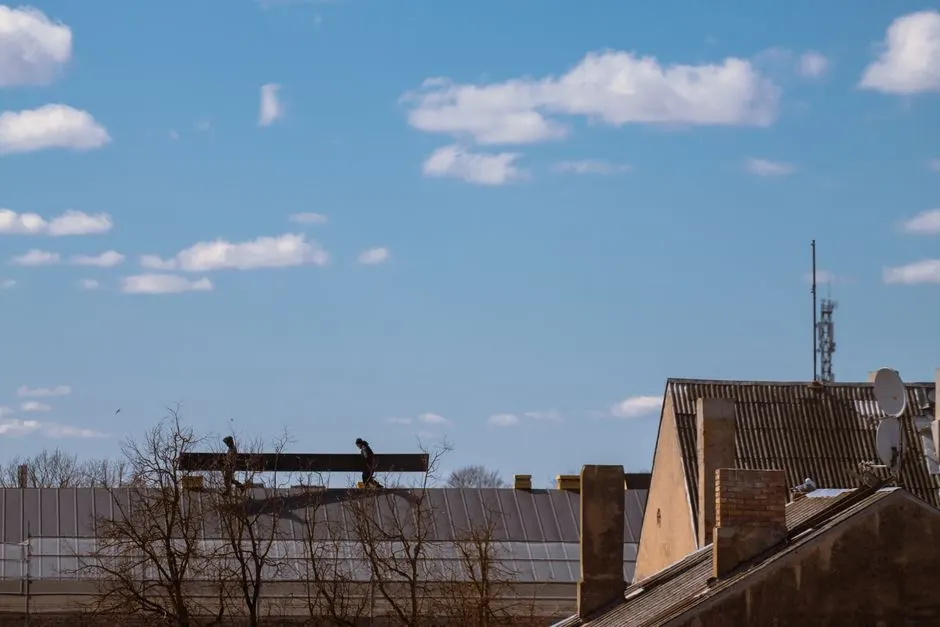
A commercial roof had separated seams near rooftop equipment and recurring leaks in two occupied areas. Several sections had surface wear, and maintenance staff could not tell whether the membrane or the equipment flashing was the main source. Temporary patches were no longer controlling the water. → We replaced the failing roof section, detailed the equipment penetrations, and installed compatible membrane with inspected seams. Work was sequenced by area, and access routes remained identified for building staff. The property received a continuous roof surface across the affected section instead of scattered patches.
Wind-damaged roof edge secured
After a windstorm, the edge metal had loosened and part of the membrane lifted near the parapet. Rain entered below the edge, and the owner could see movement during gusts. A temporary patch covered the exposed section but did not correct the attachment problem. → We removed the loose materials, checked the substrate, and rebuilt the perimeter detail with the membrane integrated into the edge assembly. The finished transition was inspected along the repaired run, including adjacent seams. The roof edge no longer depended on a surface patch to stay in place.
Problems we solve
Problems a new Stamford roof solves
A replacement roof addresses more than visible leaks. Flat roof installation options for Stamford properties should account for what is failing below the surface, how water leaves the roof, and whether the existing assembly can support another layer. We inspect those conditions before recommending installation.
Recurring leaks return after every period of heavy rain
We trace the leak path across seams, flashing, drains, and penetrations, then check the surrounding assembly for moisture. If the failure is widespread, we remove compromised materials and install a compatible membrane system. The final review focuses on the leak-prone details so you are not left with a new field membrane and old weak transitions.
Ponding water remains around blocked drains and scuppers
We inspect the drainage route, clear or repair damaged components, and evaluate whether slope correction is needed. During installation, we plan the membrane and drain transitions together. The roof should direct water toward its outlets rather than relying on a coating or patch to hide a persistent low spot.
Wind has displaced membrane or loosened coping
We check the perimeter, attachment, edge metal, and adjacent seams before deciding how much roofing must be replaced. Installation includes secure edge details designed for the assembly and project requirements. Where applicable, we consider ANSI/SPRI ES-1 edge-system guidance and the roof assembly's wind-uplift requirements.
Blisters, open seams, or tears spread across an aging roof
We map the affected areas and use inspection findings to distinguish isolated repair from broad system failure. A new roof removes widespread failed materials and restores continuity across the surface. We also review insulation condition and detail transitions so concealed moisture is not trapped beneath the replacement.
Pricing process
Flat roof installation pricing
$8-$18 per square foot for many installations; small projects often start near $6,000, depending on scope
Roof size and access
More square footage requires more membrane, insulation, and labor, while tight access or multi-story staging can add time. A small roof with complicated access may cost more per square foot than a large, open roof with simple material handling.
Tear-off and disposal
Removing several existing roof layers takes more labor and produces more disposal material than installing over a suitable existing assembly. We inspect the roof and determine whether tear-off is appropriate for the planned system and substrate condition.
Insulation and deck repairs
Wet insulation, damaged cover board, or a deteriorated deck must be addressed before installation. The area and severity of concealed damage affect material and labor costs. Replacing compromised sections protects the new membrane from being installed over an unstable base.
How much does flat roof installation cost in Stamford?
A new flat roof in Stamford often costs about $8 to $18 per square foot installed, with smaller projects frequently starting near $6,000. Typical 2026 pricing in this area depends on roof size, tear-off layers, insulation, membrane choice, access, and deck repairs. A large commercial roof or extensive wet insulation can exceed that range. We inspect the roof and give you upfront pricing based on the assembly and details your building needs.
Which flat roofing system is right for a Stamford building?
EPDM, TPO, PVC, and modified bitumen are common options; the right choice depends on roof use, drainage, exposure, and budget. EPDM is a flexible membrane, while heat-welded TPO and PVC use sealed seams; modified bitumen is a layered asphalt-based system. We compare these options against your roof's penetrations, foot traffic, and edge details, then specify a compatible assembly rather than choosing by material name alone.
How long does flat roof installation take in Stamford CT?
Most small residential projects take 2 to 5 working days, while larger commercial roofs can take 1 to 3 weeks. Tear-off, deck repairs, weather, roof access, and detail count affect the schedule. We stage the work by section and protect exposed areas as the installation progresses. October and winter conditions require close attention to temperature and moisture limits in the selected product instructions.
Can you install a flat roof on a commercial building in Stamford CT?
Yes, we can install a flat roof on a commercial building Stamford CT, with the assembly planned around occupancy, roof equipment, drains, and safe access. We coordinate the work area and sequence so building use can continue where practical. The design review checks edge restraint, penetrations, insulation, and applicable assembly requirements. A larger roof is divided into manageable areas, with seams and transitions inspected as each section is completed.
Related services
More roof services for Stamford
Flat Roof Repair
We repair isolated membrane damage, open seams, and flashing failures when the rest of your roof remains serviceable. A repair can extend roof life and help you avoid replacement costs, but widespread saturation or repeated leaks may make a new installation the better long-term choice.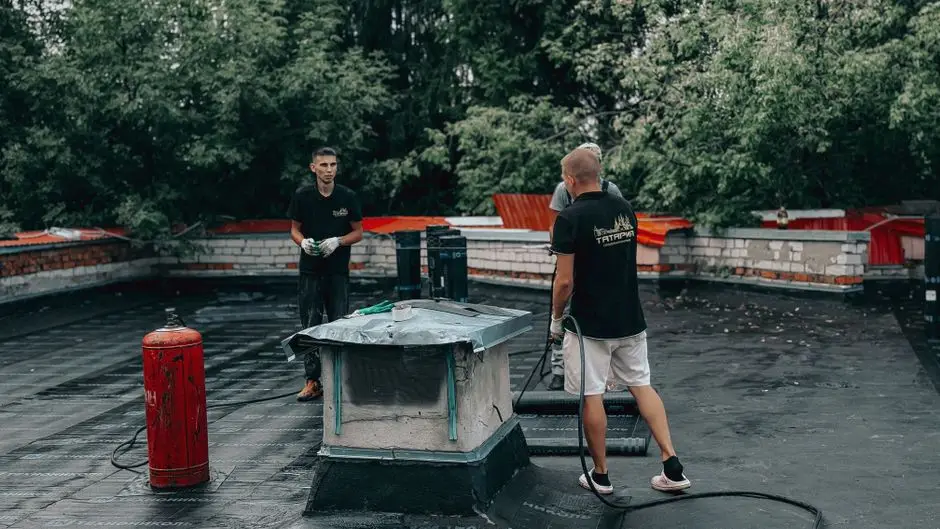
Emergency Flat Roof Repair
After a storm or sudden leak, we address immediate water entry and protect vulnerable areas while the permanent plan is determined. Emergency stabilization can limit interior damage, but it does not replace a full installation when the membrane, insulation, or deck has failed across a broad area.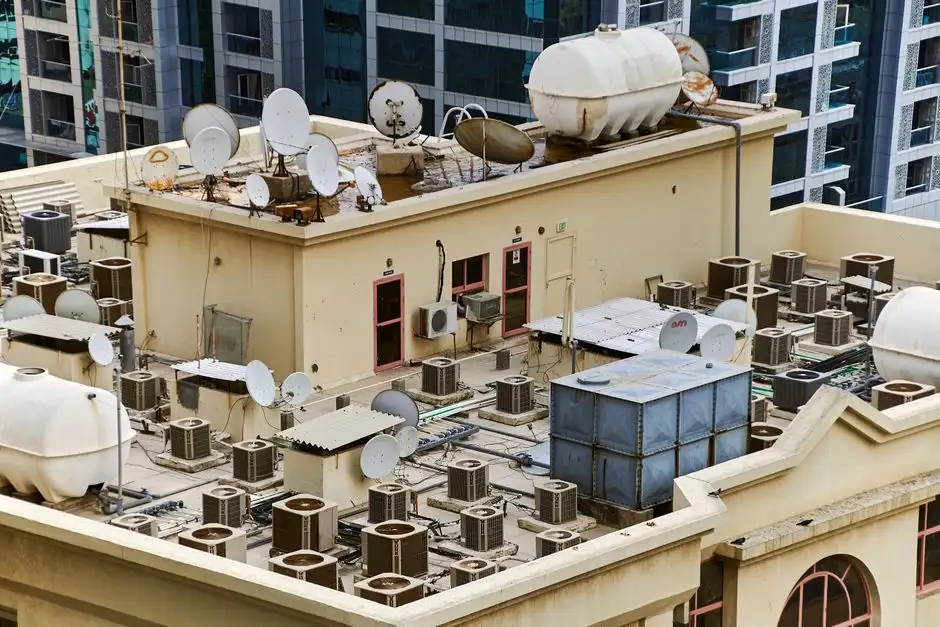
Flat Roof Leak Detection
Leak detection helps locate water entry before you commit to a new roof. We trace interior staining to likely roof details, inspect seams and penetrations, and use appropriate detection methods. Findings clarify whether a targeted repair is suitable or installation will address recurring failures more reliably.Ready when you are
Plan Flat Roof Installation Stamford CT
Stop recurring leaks from putting ceilings, insulation, or equipment at risk. We will inspect the roof, explain the assembly options, and provide upfront pricing for your Stamford property. Call our local team at +12036338054 to arrange a roof assessment.
Talk with the local team
Request Flat Roof Installation
Tell us where the leak appears, when you first noticed it, and whether water is actively entering. Call +1 203-633-8054 during business hours, Monday through Friday, 8:00 a.m. to 6:00 p.m.; emergency requests are accepted around the clock. We serve Stamford, Connecticut, and can discuss the roof type, access, and next steps with you.