
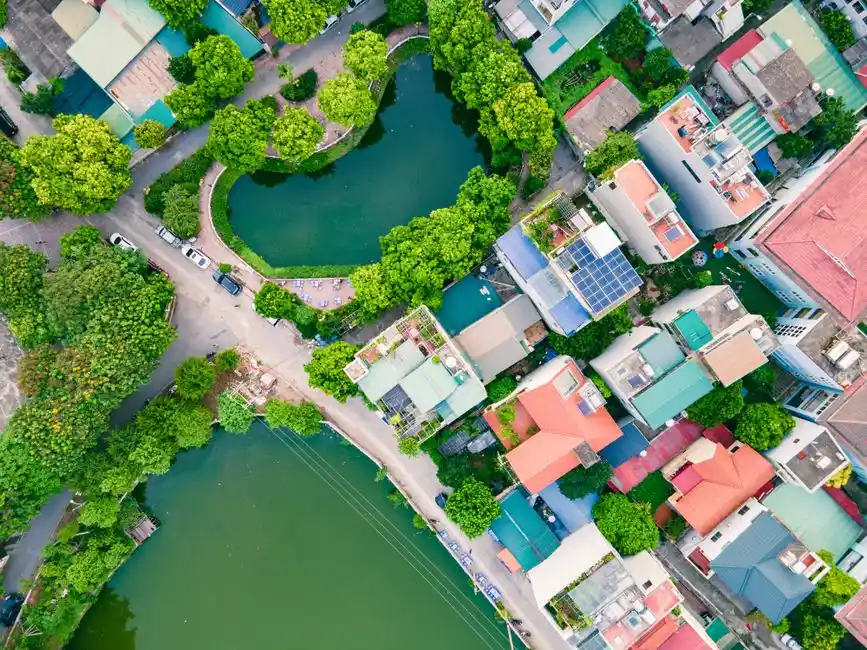
Restore drainage and protect your roof from recurring standing water
Flat roof ponding water correction Stamford CT
Flat roof ponding water correction Stamford CT helps property owners and facility managers move water off a low-slope roof before repeated wetting leads to leaks, insulation damage, or membrane failure. We inspect the roof, identify the reason water remains, then correct drainage or slope as the roof assembly requires. Our Stamford flat roof ponding water correction service is built for homes, commercial buildings, and multifamily properties dealing with persistent puddles after rain.
Live phone supportUpfront optionsBacked workmanship
What's included
What Ponding Water Correction Includes
Flat roof ponding water correction covers diagnosis of low spots and drainage paths, inspection of the affected membrane, and a repair matched to the roof assembly. We address the outlet, slope, and related membrane details needed to move water away. Larger concealed conditions, such as extensive saturated insulation or damaged decking, require additional repair beyond a localized correction; we identify those areas and explain the next work plainly.
Drainage Path Inspection
We check roof drains and scuppers for debris, restrictions, damaged components, and poor flow. The inspection follows water from the ponded area to the outlet, so you know whether the issue is a blocked opening, a weak connection, or the roof's slope.
Low-Area Assessment
We measure and map the affected area, examine nearby seams and flashing, and look for signs of trapped moisture. This helps determine whether a localized slope build-up is appropriate or whether the underlying insulation or substrate needs attention first.
Compatible Roof Repair
We prepare and repair membrane details using methods matched to the existing roof system. The work may include a welded thermoplastic patch, a compatible EPDM detail, modified bitumen repair, or replacement of damaged drain components.
Flow Check and Findings
After correction, we verify that the outlet draws water and review the repaired area with you. We note any remaining concerns, identify areas that need monitoring, and explain how to check the result after rainfall.
Service overview
Flat roof ponding water correction Stamford CT
Flat roof ponding water correction Stamford CT is a roof drainage service that removes persistent low spots and restores a path for water to reach drains or scuppers. We begin by mapping pond depth, checking drain flow, and examining seams, flashing, and the membrane for damage. A roofing probe and moisture meter help distinguish a surface depression from saturated insulation below. Depending on what we find, the correction may involve clearing or repairing a drain, rebuilding a localized slope with compatible materials, replacing wet insulation, or repairing membrane details. The goal is positive drainage without compromising the existing roof system.
Stamford buildings face heavy rain, freeze-thaw cycles, coastal wind, and roof layouts altered by equipment or past repairs. Blocked roof drains and scuppers can turn a shallow depression into a recurring leak, especially around parapets and rooftop penetrations. We use a flat roofing ponding water assessment in Stamford to trace both the water path and the roof condition before choosing a repair. If you need to fix standing water on a flat roof after rain in Stamford, we check drainage first and avoid covering a structural or membrane problem with a quick patch.
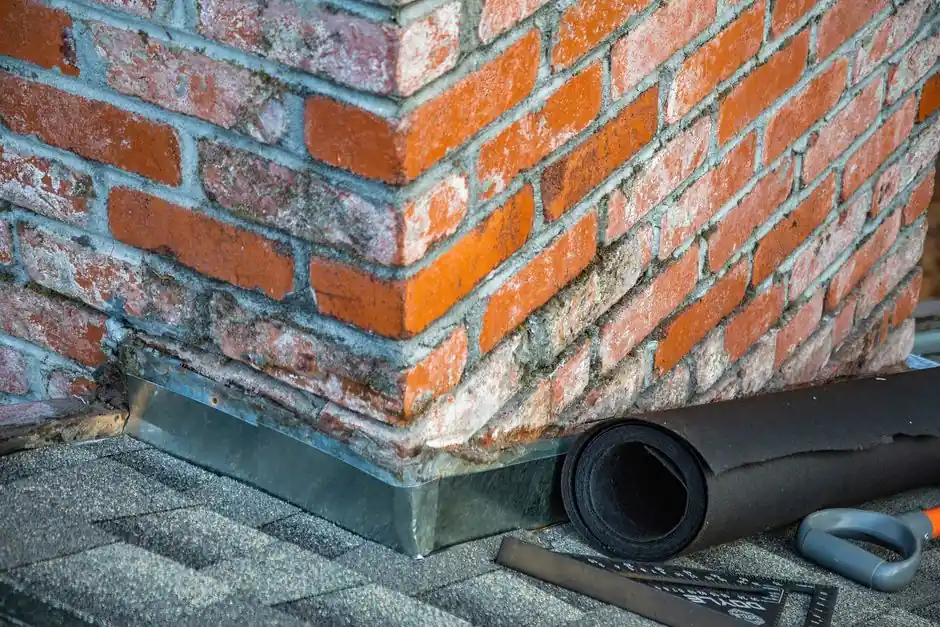
How we workWe verify the cause, compare realistic options, and confirm the repair before we leave.
The service timeline
What to Expect During Correction
The process flexes to the condition, but these checkpoints keep decisions clear.
Inspect Roof
Our technician checks the roof surface, drains, scuppers, parapets, seams, and penetrations, then asks where you see leaks or recurring puddles. A standard assessment takes about 45 to 90 minutes for an accessible roof. We photograph the affected areas and note membrane type, pond depth, and any visible insulation or flashing concerns.
Trace Water
We follow the drainage route from each low area to its outlet, checking for debris, restricted throats, and back-pitched sections. A drain inspection camera helps reveal obstructions below the roof opening. If rain is not available for observation, controlled water testing lets us verify whether an outlet draws properly without flooding the roof.
Choose Correction
We match the repair to the roof assembly instead of applying one method everywhere. The plan may include drain and scupper components, a localized tapered build-up, insulation replacement, or membrane repairs around the low area. We check compatibility with EPDM membrane, TPO membrane, or modified bitumen membrane before selecting primers, adhesives, or heat-welded details.
Complete Work
Our crew clears or repairs the outlet, prepares the substrate, and builds the drainage correction with materials suited to the existing system. For thermoplastic membranes, a hot-air welder and seam roller create controlled welded seams; other assemblies use approved adhesives or asphalt methods. A localized repair often takes 2 to 6 hours, while broad slope work takes longer.
Test and Document
We check the drain, review repaired seams and flashing, and remove debris from the work area. When conditions allow, we run a controlled flow test and confirm water reaches the outlet rather than returning to the low spot. You receive a plain-language summary of completed work, remaining concerns, and the next inspection interval.
Tools & methods
Tools and Repair Methods
Purpose-built equipment, used by trained technicians, so the job is done accurately the first time.
Moisture meter
We use readings to compare suspect roof areas and determine whether moisture may be present below the membrane. The results help target further inspection instead of removing sound material unnecessarily.
Infrared thermography camera
Under suitable weather and roof conditions, thermal imaging helps identify temperature patterns associated with trapped moisture. We confirm suspect areas with direct inspection before deciding on a repair.
Drain inspection camera
A camera checks the accessible drain line for debris or restrictions below the roof opening. We use the finding to separate a drain blockage from a roof slope problem.
Roofing probe
The probe helps check membrane and flashing conditions at seams and transitions. We use it carefully to locate loose edges or compromised details without creating unnecessary damage.
Hot-air welder and seam roller
For compatible thermoplastic membranes, the welder heats the material and the seam roller applies even pressure. We test weld quality and detail the patch to the existing membrane.
Roofing brush and roller
These tools apply compatible primers or coatings in controlled layers where the roof system calls for them. Proper surface preparation and coverage matter at patches, seams, and drain transitions.
Use cases
When to Correct Roof Ponding
These examples show how the service framework adapts rather than forcing every call through one repair.
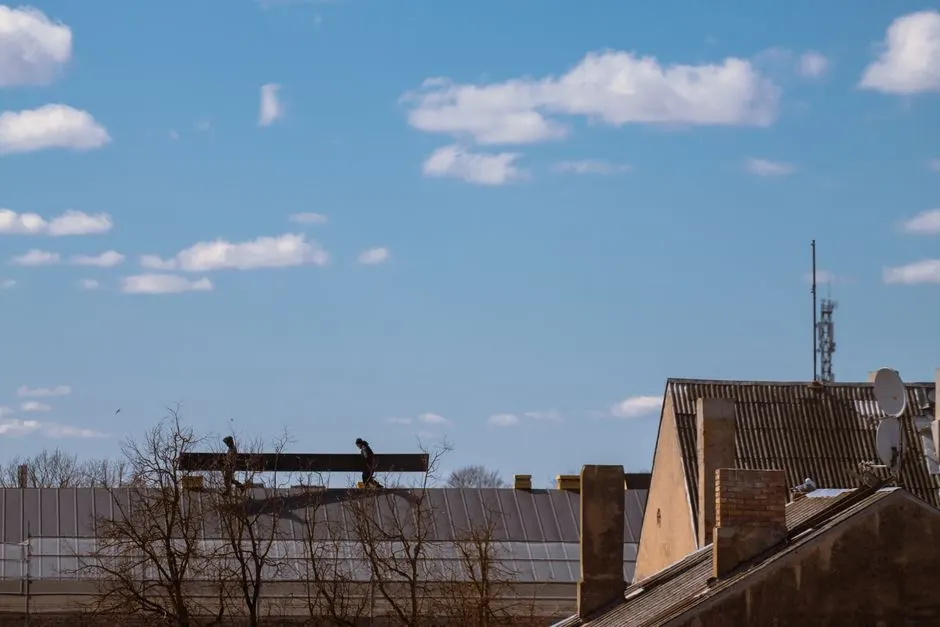
Commercial Scupper Backflow
A Downtown Stamford building had water sitting near a parapet after the roof scuppers were cleaned. The outlet opening was clear, but a settled section directed water away from the scupper. A separated flashing edge showed signs of prolonged wetting, and tenants reported an intermittent leak after strong rain. → We repaired the flashing edge, corrected the localized slope, and tested flow to the scupper. Water reached the outlet without collecting against the parapet during the test. The repair area measured approximately 80 square feet, and the facility manager received photographs and a maintenance note for the next roof check.
Wet Insulation Under Ponding
A Harbor Point roof had several shallow ponds and a soft area near a mechanical curb. Surface patches had reduced visible leakage for a time, but moisture readings indicated insulation below the membrane was wet. The owner needed the roof checked before another cycle of rain and cold weather. → We opened the affected section, removed saturated insulation, restored the substrate, and tied a membrane repair into the sound surrounding surface. The drainage path was adjusted toward the nearest outlet and checked with controlled water. The finished repair covered approximately 120 square feet, including the wet section and membrane tie-in.
Problems we solve
Stop Recurring Ponding Before Leaks
Persistent water can be a symptom of a drainage defect, a settled roof section, or damage hidden beneath the membrane. We find the source and correct the roof condition that keeps water in place, reducing repeat leaks and preventable deterioration.
A shallow pond returns beside the same drain after each storm
We inspect the drain bowl and approach, clear obstructions, and check the surrounding slope. If the low area remains after the outlet is clear, we build a compatible correction that guides water toward the drain and test the flow before leaving.
Water collects along a parapet or rooftop equipment curb
Our team checks the flashing, seams, and drainage route around the obstruction. We repair failed details and correct the local slope so water flows around the curb toward an outlet instead of sitting against the roof transition.
A ceiling leak appears below a roof depression
We trace the wet area using visual inspection, a moisture meter, and targeted testing. Once we locate the entry point, we repair the membrane or flashing and address the ponding that keeps the area under prolonged water exposure.
Puddles remain after the drains have been cleared
We assess the low area for movement and concealed moisture, then determine whether localized slope rebuilding or insulation replacement is needed. The repair is tied into the existing membrane and drainage layout so the correction addresses the underlying condition.
Pricing process
Ponding Correction Pricing
$450-$2,500 for localized correction; $2,500-$12,000+ for broad slope or insulation work
Pond area and depth
A small depression near one drain needs less material and labor than multiple low spots across a large roof. Deeper or wider ponding also calls for closer checks of the substrate and insulation, which can increase preparation and repair time.
Drain and scupper condition
Clearing debris is a limited task; replacing a damaged drain bowl, scupper, or membrane connection takes more work. Multiple restricted outlets add inspection and testing time because each drainage route needs to be verified.
Membrane type and access
EPDM, TPO, PVC, modified bitumen, and built-up roofs require different preparation and repair methods. Restricted roof access, lift requirements, or equipment that limits the work area can add labor and material handling.
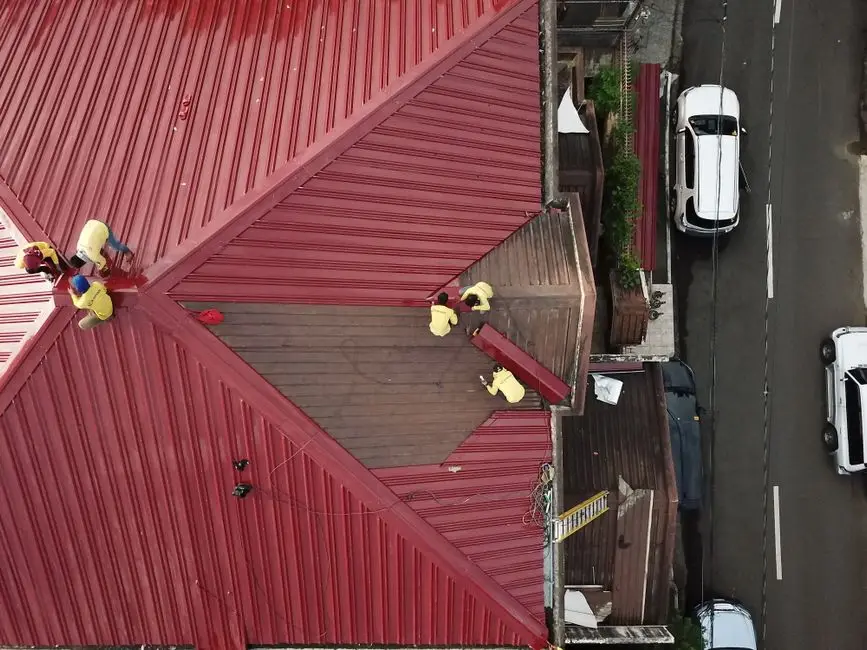
How do I fix ponding water on a flat roof in Stamford?
Fix ponding water by clearing the outlet, identifying low areas, and correcting the drainage or slope that traps water. We inspect drains, scuppers, membrane seams, and insulation before choosing a repair. A simple obstruction may take 1 to 2 hours to clear and test; settled insulation or a broad low spot needs more work. If water remains after 48 hours, schedule a roof assessment rather than adding an unverified patch.
Can standing water damage a flat roof membrane?
Yes, persistent standing water can accelerate seam stress, expose weak flashing, and contribute to leaks or insulation saturation. Damage depends on the membrane, pond depth, duration, and roof condition; a puddle alone does not prove the roof has failed. We check for blistering, punctures, separated seams, and water intrusion around penetrations. Correcting drainage and repairing compromised details reduces prolonged wetting and helps protect the roof assembly.
What does flat roof ponding water correction cost in Stamford CT?
In 2026, a localized drainage correction commonly costs $450 to $2,500, while broader slope or insulation work can run $2,500 to $12,000 or more. Price depends on roof access, membrane type, pond size, drain condition, and whether wet insulation must be removed. We inspect first, explain the price before work, and separate a simple outlet repair from a larger assembly correction so you understand what the job requires.
How long does flat roof water ponding remediation take in Stamford?
A drain clearing or small membrane repair often takes 2 to 6 hours; localized slope rebuilding commonly takes 1 to 3 workdays. Larger areas take longer because wet insulation, substrate preparation, and membrane tie-ins must be handled in sequence. Rain, temperature, and safe roof access affect scheduling and material cure or weld conditions. We explain the expected work period after inspecting your roof and its drainage layout.
Related services
Related Roofing Services
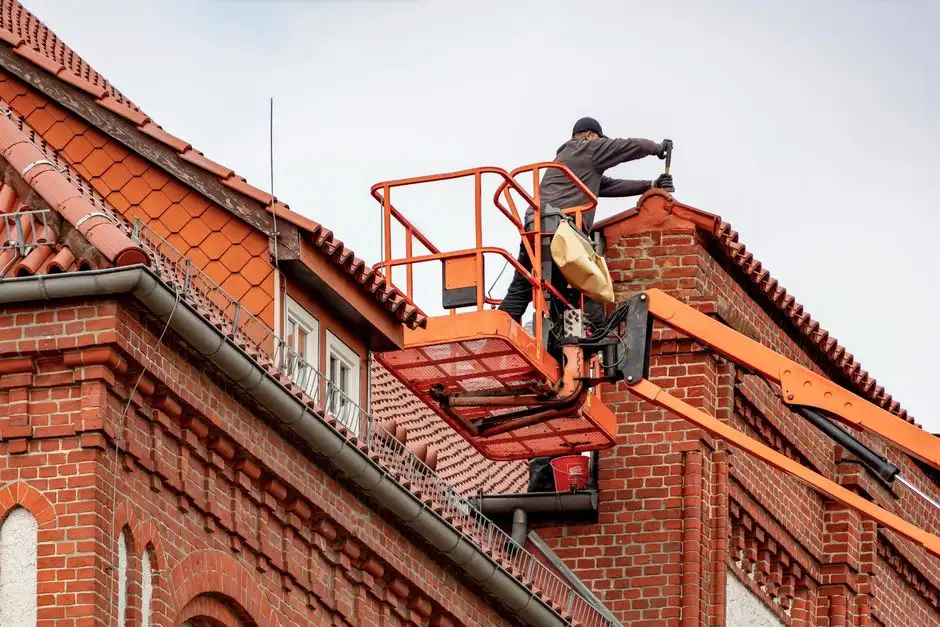
Flat Roof Repair
Ponding often exposes a broader roof defect. Our Stamford repair work addresses punctures, failed seams, and damaged flashing alongside drainage correction, so you are not left with a better-flowing roof that still leaks at the original weak point.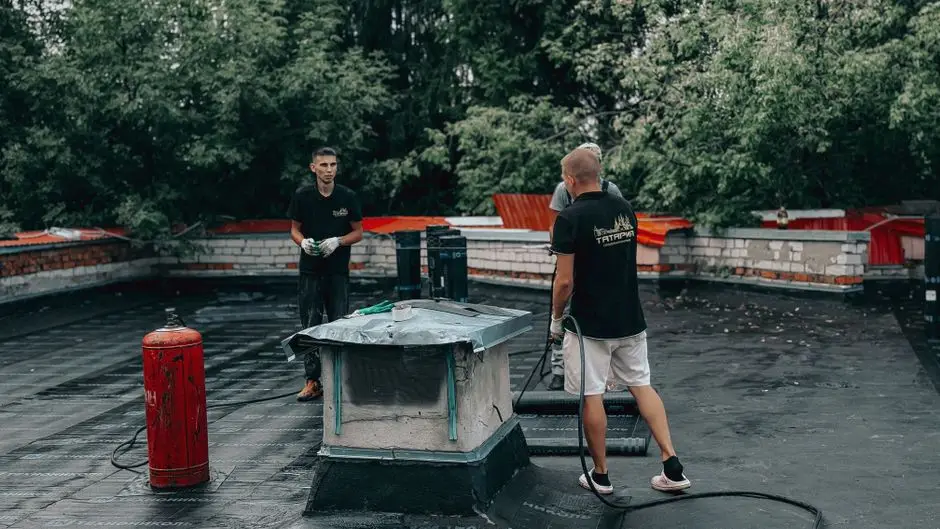
Emergency Flat Roof Repair
If a storm turns standing water into an active interior leak, emergency repair limits further entry while we assess the drainage failure. We protect the affected area, locate the leak path, and plan a lasting correction once the roof is safe to work on.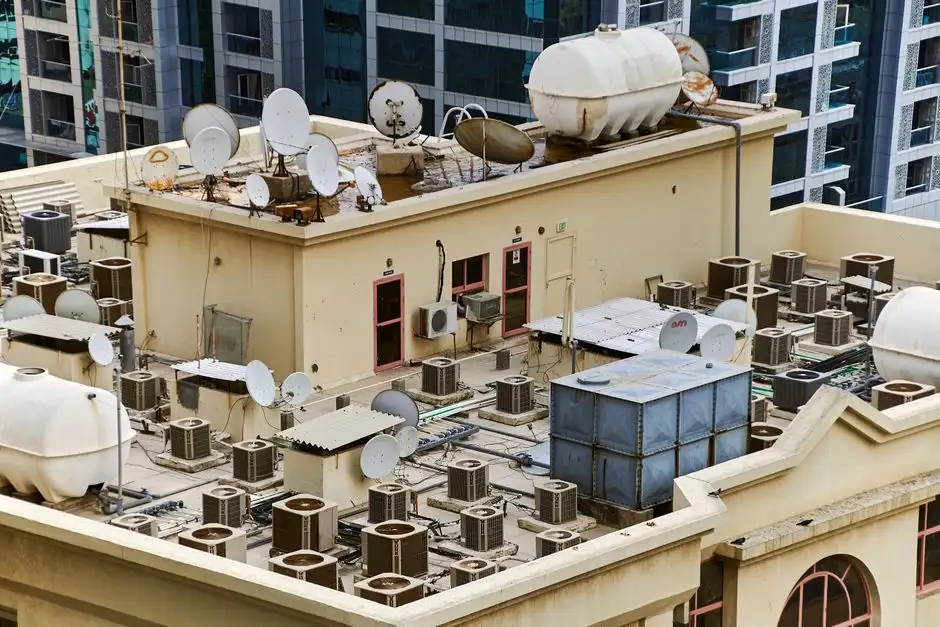
Flat Roof Leak Detection
Water may travel beneath a membrane before appearing indoors, making the leak source hard to spot. Leak detection pairs moisture readings and close inspection with ponding correction, helping us connect a ceiling stain to the roof area and drainage condition above.Ready when you are
Schedule Flat Roof Ponding Water Correction
Tell us where water collects and whether you have an active leak. Our Stamford team will inspect the roof, explain the correction, and provide upfront pricing before work starts. Call Flat Roof Repair Stamford at +12036338054 to arrange your roof assessment.
Talk with the local team
Request Flat Roof Ponding Water Correction
Tell us where the leak appears, when you first noticed it, and whether water is actively entering. Call +1 203-633-8054 during business hours, Monday through Friday, 8:00 a.m. to 6:00 p.m.; emergency requests are accepted around the clock. We serve Stamford, Connecticut, and can discuss the roof type, access, and next steps with you.