
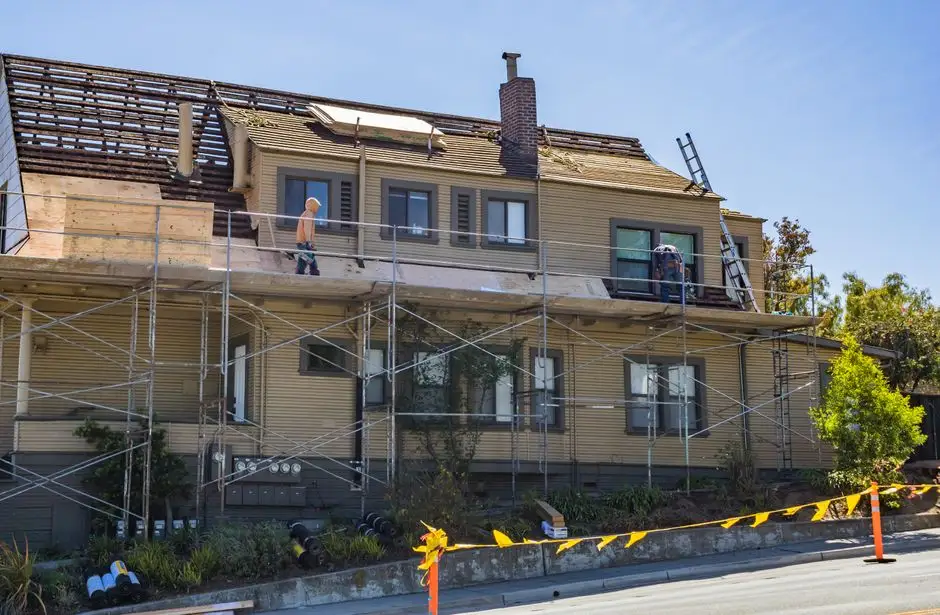
Renew a sound roof without unnecessary tear-off
Flat roof restoration Stamford CT that stops leaks
Flat roof restoration Stamford CT renews a worn but serviceable roof for homeowners, property managers, and commercial building owners facing recurring leaks or surface failure. We inspect the membrane, insulation, seams, drains, and flashing before recommending a repair, coating, or restoration system. Our Stamford flat roof restoration work focuses on stopping water entry and extending the useful life of the existing assembly when its structure is still suitable.
Live phone supportUpfront optionsBacked workmanship
What's included
What flat roof restoration includes
Restoration covers the roof components needed to correct the identified defects and protect a sound assembly. We inspect the membrane, seams, penetrations, drainage, and edges, then repair and prepare the agreed areas. If inspection finds saturated insulation, damaged decking, or widespread failure, we explain the added work needed rather than treating a coating as a substitute for structural repair.
Condition and moisture checks
We inspect the roof surface and vulnerable transitions, then use a moisture meter or roofing probe where appropriate. You learn whether the issue is limited to the membrane or involves concealed insulation, helping guide a repair or restoration decision.
Membrane and seam repair
We repair punctures, tears, open seams, and localized blisters using materials compatible with the existing roof. Repairs are prepared and integrated into sound surrounding membrane so the work addresses the defect rather than simply covering its appearance.
Drainage and flashing details
We check drains, scuppers, flashing, roof penetrations, and edge terminations. Where included in the restoration scope, we clear or repair the components that direct water away from the roof and seal vulnerable transitions.
Surface preparation and coating
If the roof is suitable for coating, we clean and prepare the surface after repairing defects and allowing it to dry. We apply a compatible roof coating according to product requirements; coating does not replace saturated insulation or a deteriorated deck.
Completion review
We review repaired areas, check that drains remain clear, and summarize the work completed. You receive practical maintenance guidance, including what to inspect after storms and which roof details deserve attention during seasonal checks.
Service overview
Flat roof restoration Stamford CT explained
Flat roof restoration Stamford CT is a roof renewal service that repairs and protects a sound existing flat-roof assembly when wear, leaks, or coating failure threaten its service life. We begin by identifying the roof type, checking seams and penetrations, and locating moisture before choosing compatible repairs. Work can include replacing damaged membrane sections, correcting drainage, renewing flashing, and applying a compatible roof coating. The goal is a watertight, maintainable surface, not a cosmetic cover-up over trapped water or failing insulation.
Stamford roofs face repeated freeze-thaw cycles, wind-driven rain, summer heat, and debris that can block drains. Harbor Point and Downtown buildings also include varied roof assemblies, from older modified bitumen to single-ply membranes. We use a moisture meter and targeted probes to find hidden trouble before proposing flat roofing refurbishment Stamford CT. If you are comparing whether to restore rather than replace a flat roof Stamford CT, we check the deck and insulation first; saturated or unstable layers need a different plan.
How we workWe verify the cause, compare realistic options, and confirm the repair before we leave.
The service timeline
How restoration work proceeds
The process flexes to the condition, but these checkpoints keep decisions clear.
Inspect the assembly
We walk the accessible roof, review interior leak locations with you, and note membrane type, drainage, edges, and penetrations. A moisture meter or roofing probe helps distinguish surface wear from concealed damage. A straightforward inspection often takes 60 to 120 minutes, depending on roof size and access; you receive the key findings before work is planned.
Map moisture and defects
Our team marks open seams, punctures, blisters, failed flashing, and areas of ponding. On suitable roofs, infrared thermography camera readings can help identify moisture patterns after the right weather conditions; readings are verified rather than treated as proof by themselves. You see which defects are active and which areas need closer testing.
Prepare the surface
We remove loose material, clean repair zones, and dry the substrate before installing patches or coating. Drains and scuppers are checked for blockage, while unstable or saturated materials are identified for removal. Good preparation matters: a coating applied over dirt, standing water, or loose membrane will not bond as intended.
Repair and restore
We install membrane-compatible patches, reinforce seams, renew flashing, or apply a compatible roof coating according to the chosen scope. A hot-air welder is used on compatible thermoplastic membranes, while other systems call for different adhesives or primers. We protect walkways and nearby equipment as each section is completed.
Test and document
After repairs, we inspect transitions and seams, confirm drainage paths are open, and check the finished surface for missed details. You receive a clear summary of completed work and maintenance points. On larger projects, we review the roof in sections so you can see what was restored and what should be monitored.
Tools & methods
Inspection tools and methods
Purpose-built equipment, used by trained technicians, so the job is done accurately the first time.
Moisture meter
We use a moisture meter to compare suspect areas and help identify possible moisture beneath the membrane. Readings guide further inspection; they are interpreted with roof construction and visible conditions.
Infrared thermography camera
An infrared thermography camera can help map temperature patterns associated with trapped moisture under suitable conditions. We verify any suspected wet areas with additional checks before recommending repair.
Roofing probe
A roofing probe helps assess the condition of accessible seams, membrane edges, and suspect areas. It gives our team a closer look at separation or softness that may not show clearly from a distance.
Hot-air welder
A hot-air welder joins compatible thermoplastic membrane repairs, including suitable TPO or PVC systems. We prepare the surface and check the finished weld so the patch integrates with the existing membrane.
Drain inspection camera
A drain inspection camera helps check accessible drain pathways for obstruction or damage. We use the findings alongside a roof-surface inspection to understand whether poor drainage contributes to ponding.
Use cases
When restoration makes sense
These examples show how the service framework adapts rather than forcing every call through one repair.
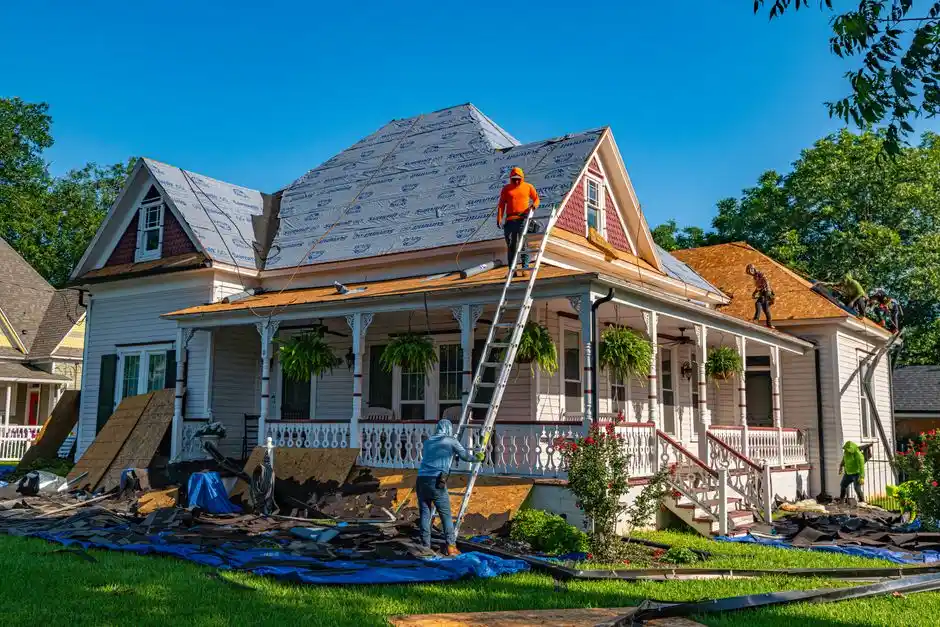
Worn membrane on a small commercial roof
A commercial roof showed surface wear, two open seams, and water entry near equipment curbs. Most of the membrane remained firm, but the owner could not tell whether coating alone would solve the leaks. The inspection focused on seam condition, insulation moisture, and the details around the equipment. → We repaired the open seams and curb flashing, then applied a compatible restoration coating to the prepared surface. The work was completed in sections over three working days, keeping access to the equipment available. The owner avoided replacing sound areas and received maintenance points for follow-up.
Failed skylight transition over an addition
A home in Glenbrook developed a ceiling stain below a flat-roof skylight. The surrounding coating looked worn, but the primary failure was separated flashing at one corner of the curb. Moisture had reached a limited section of insulation, while the rest of the roof remained serviceable. → We removed the unsound local material, addressed the affected insulation area, and rebuilt the skylight transition with compatible flashing and membrane repairs. The surrounding roof was checked for additional openings. The leak source was corrected without a full roof replacement.
Problems we solve
Restore an aging flat roof Stamford CT
An aging roof often fails at details before the entire membrane reaches the end of its useful life. We locate the water path, check the assembly beneath the surface, and match repairs to the actual failure. That lets you address active leaks while avoiding a premature replacement when the roof remains structurally suitable.
Recurring leaks after heavy rain near roof penetrations
We inspect the penetration curb, flashing, and surrounding membrane, then repair the entry point with compatible materials. Our team checks nearby seams and drainage too, because water can collect around equipment and follow the roof layers. The repair plan targets the source rather than just the interior stain.
Ponding water beside a blocked drain or scupper
We clear and inspect the drain path, check drain and scupper components, and look for surface depressions or damaged membrane. Where the roof assembly allows, we correct localized drainage issues and repair affected areas. You get a clear explanation if the underlying slope or structure needs broader work.
Blistered coating and separated membrane seams
We remove loose material, test the membrane around the defect, and check for trapped moisture before patching or recoating. Seam repairs use a method suited to the membrane, not a universal sealant. If the substrate is wet, we address that condition before closing the roof.
Wind-displaced edge membrane and deteriorated coping
We inspect the perimeter, coping, and edge metal for loose attachment or failed transitions. Our team secures or repairs the affected details and ties them back into the membrane. This work is especially important on exposed roofs where wind can drive rain against parapets and roof edges.
Pricing process
Flat roof restoration pricing
$1,500-$5,000 for targeted repairs; approximately $5-$12 per square foot for broader restoration
Roof area and access
Larger roofs need more material and labor, while limited access, roof height, and equipment congestion can slow safe movement. A clear route to the work area helps keep setup and handling more efficient.
Membrane and coating type
Different membranes need different cleaning, primers, patches, and installation methods. Compatibility affects material cost and preparation time. We identify the existing roof system before pricing the restoration approach.
Moisture and insulation damage
Wet insulation cannot simply be sealed beneath a coating. Removing and replacing saturated sections adds labor and materials, but addresses the source of recurring failure instead of concealing it.

How much does flat roof restoration cost in Stamford?
In 2026, a small targeted restoration can cost about $1,500-$5,000, while larger projects commonly range from $5-$12 per square foot. Price depends on roof area, membrane type, access, wet insulation, flashing repairs, and coating requirements. We inspect first and give you upfront pricing for the actual work. A roof with widespread saturated insulation or deck damage needs more than a surface treatment.
Can an existing flat roof be restored instead of replaced?
Yes, an existing flat roof can be restored when its deck is sound and moisture damage is limited. We inspect the membrane, insulation, seams, and drainage before recommending that route. If testing finds extensive saturation, unstable layers, or broad membrane failure, restoration may only hide the problem. We explain whether repair, flat roofing refurbishment Stamford CT, or replacement offers the more durable solution.
How long does flat roofing refurbishment last in Stamford CT?
A properly installed restoration system often adds about 5-15 years, depending on the roof condition, material, exposure, and maintenance. We assess whether the existing membrane can accept a coating or needs repairs first. Keep drains clear and schedule a roof check twice a year, especially after winter and major storms. The expected service life is specific to the assembly and product used.
How long does flat roof restoration take?
A small repair or coating section may take one day, while a larger restoration can take several days to two weeks. Roof size, preparation, moisture removal, detail repairs, and suitable weather all affect the schedule. We divide larger work into manageable areas and keep you informed about access. Coatings also need the product's specified curing time before foot traffic or rain exposure.
Related services
Other Stamford roofing services
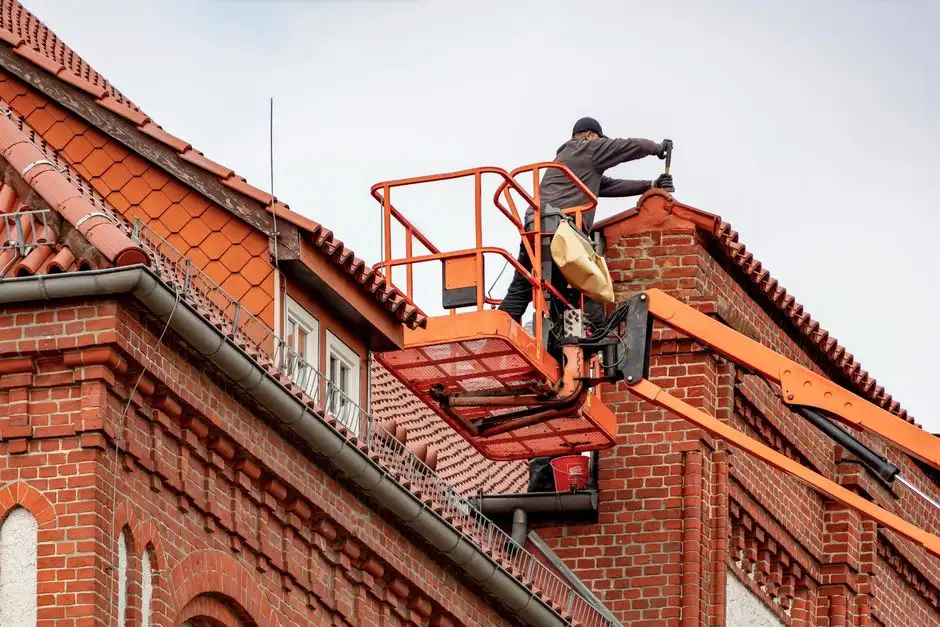
Flat Roof Repair
Targeted repairs address a specific puncture, open seam, or flashing failure without restoring the full roof. In Stamford, we inspect the surrounding membrane too, so your repair does not leave a nearby weak point to cause the next leak.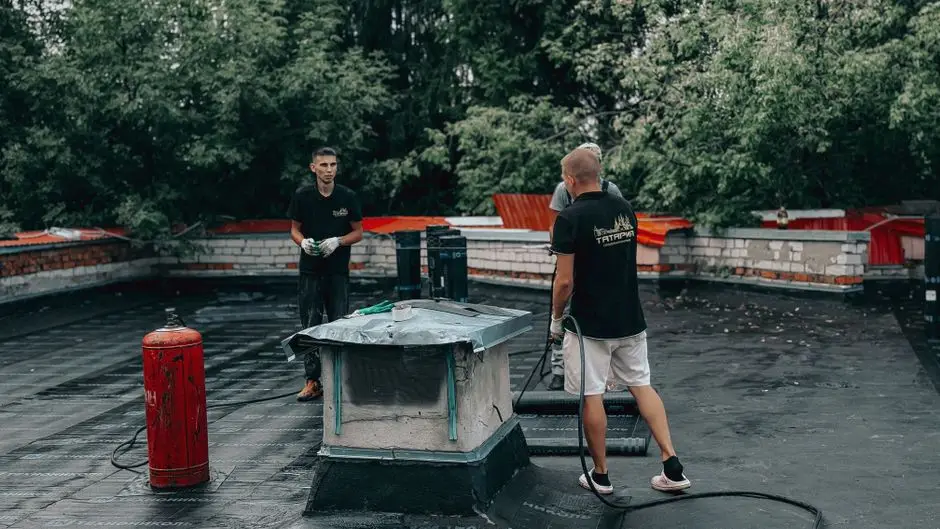
Emergency Flat Roof Repair
Active water entry during a storm needs immediate containment and a safe repair plan. We locate the affected area, protect exposed interiors, and make a temporary or permanent repair suited to roof conditions and weather.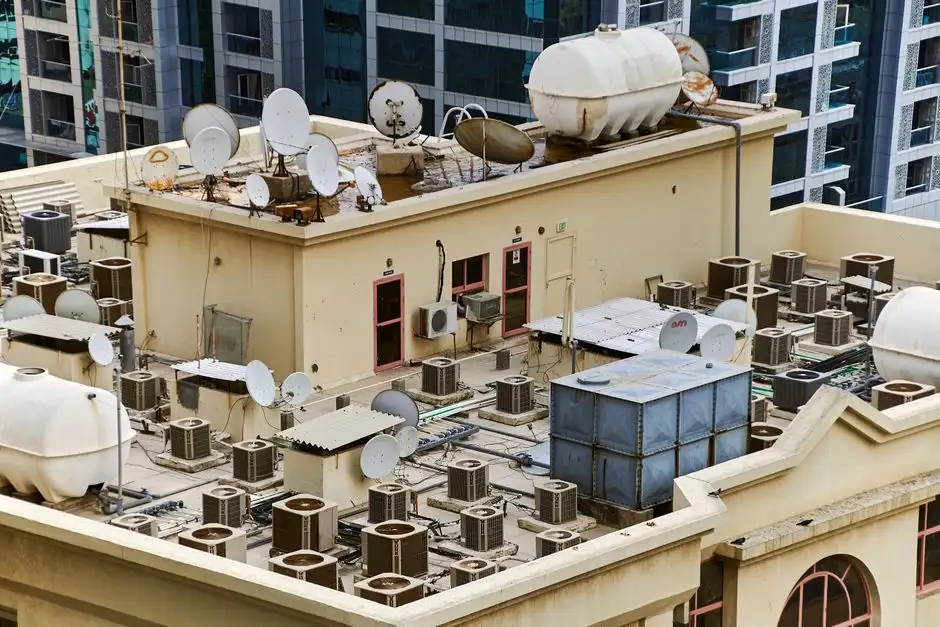
Flat Roof Leak Detection
Leak detection traces water from interior staining back to the roof defect. We inspect seams, drains, skylights, and penetrations, using suitable testing equipment where needed. Accurate source-finding helps avoid unnecessary repairs across Stamford properties.Ready when you are
Book flat roof restoration Stamford CT
Stop recurring leaks before water reaches insulation, ceilings, or stored equipment. Our team inspects the roof, explains the repair options, and provides upfront pricing for the work. Call Flat Roof Repair Stamford at +12036338054 to arrange your restoration assessment.
Talk with the local team
Request Flat Roof Restoration
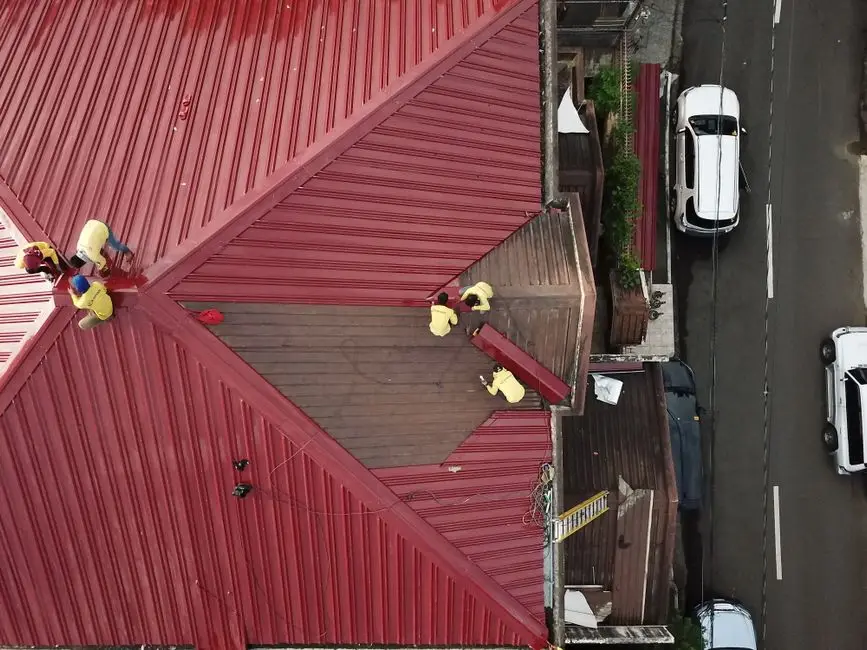
Tell us where the leak appears, when you first noticed it, and whether water is actively entering. Call +1 203-633-8054 during business hours, Monday through Friday, 8:00 a.m. to 6:00 p.m.; emergency requests are accepted around the clock. We serve Stamford, Connecticut, and can discuss the roof type, access, and next steps with you.