

Stop seam leaks before water reaches insulation
Flat roof seam and membrane repair Stamford CT
Flat roof seam and membrane repair Stamford CT restores failed joints and damaged membrane areas for homeowners, property managers, and commercial building owners. If rain is tracking through an open seam or a patch keeps leaking, we inspect the roof assembly, identify the failure, and match the repair to the membrane. Our Stamford crew handles urgent leaks and planned repairs throughout Connecticut, with a clear explanation of the work before we begin.
Live phone supportUpfront optionsBacked workmanship
What's included
What Seam Repair Includes
A typical service covers leak-path inspection, membrane identification, seam preparation, and repair of the confirmed defect using a compatible method. We check nearby transitions and drainage that could affect the repaired area. If inspection reveals saturated insulation, widespread membrane failure, or structural concerns, we explain the additional work needed; a seam repair alone cannot correct a damaged roof assembly.
Leak source inspection
We review interior leak clues and inspect the roof surface for open seams, punctures, flashing failures, and nearby penetrations. Where conditions call for it, moisture readings help us distinguish a surface defect from a larger wet area beneath the membrane.
Surface preparation
The repair zone is cleared of loose material and prepared for the selected product or welding process. Clean, dry, compatible surfaces improve adhesion and bond strength; we do not apply seam tape over dirt, standing water, or failing material.
Compatible seam repair
We use a suitable repair method for the roof system, such as seam tape and primer for compatible EPDM details or hot-air welding on appropriate thermoplastic membranes. The repair follows the defect and restores the seam's continuity.
Adjacent detail check
We check nearby flashing, penetrations, and drain details because water can enter beside a seam and travel beneath the membrane. This check helps distinguish the main leak from connected defects that could compromise the repair.
Finish verification
After completing the repair, we inspect its full length and examine edges, corners, and transitions. We explain what was repaired and point out any separate roof conditions that need attention to protect the work.
Service overview
Flat roof seam and membrane repair Stamford CT
Flat roof seam and membrane repair Stamford CT is a targeted roofing service that restores separated joints and damaged membrane areas to limit water entry and protect the roof assembly. We first identify whether the roof is EPDM membrane, TPO membrane, PVC membrane, or another system, then inspect the seam, flashing, and nearby surface. A sound repair depends on clean, dry material and compatible products: seam tape and primer for appropriate systems, or a hot-air-welded joint where the membrane allows it. We also check for saturated insulation and nearby punctures instead of sealing over a larger failure.
Stamford roofs face wind-driven rain, freeze-thaw cycles, and sudden downpours that expose weak laps, flashing failures, and blocked drains. On low-slope roofs around Harbor Point, Downtown Stamford, and older residential streets, a small opening can send water beneath the membrane before a ceiling stain appears. Our Stamford flat roof seam and membrane repair starts by tracing the leak path, not just coating the visible spot. If you are searching for flat roof seam and membrane repair near me Stamford CT, we can assess the seam, drainage, and roof condition together.
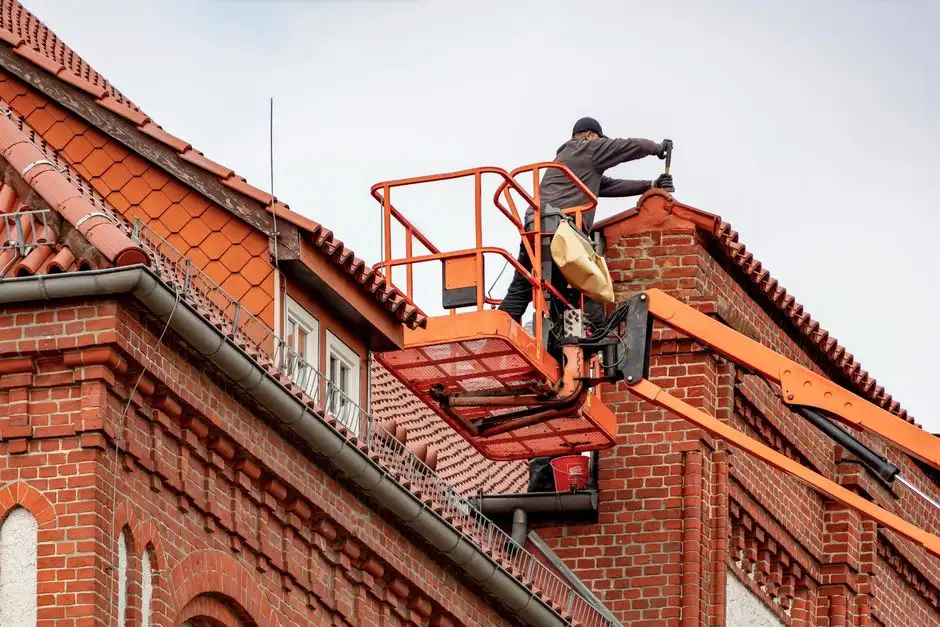
How we workWe verify the cause, compare realistic options, and confirm the repair before we leave.
The service timeline
What to expect from the repair
The process flexes to the condition, but these checkpoints keep decisions clear.
Trace the leak
We begin with your leak history: where the water appears, when it shows up, and whether it follows heavy rain or wind. On the roof, we inspect seams, flashings, penetrations, and drainage. An infrared thermography camera or moisture meter can help locate trapped moisture; testing commonly takes 30 to 90 minutes depending on roof size and access.
Identify the membrane
Our technician checks the membrane type, age indicators, existing patches, and seam construction before selecting a method. A roofing probe helps test whether a lap is open without damaging sound material. We also look for blistering, punctures, and displacement so you get a repair compatible with the roof rather than a generic sealant application.
Prepare the repair
We remove loose material and clean the repair zone, then allow the surface to dry as conditions require. For compatible systems, we apply primer and seam tape; for weldable thermoplastics, a hot-air welder and seam roller create a continuous bond. Proper preparation matters: dust, moisture, or incompatible products can undermine adhesion.
Repair and detail
We seal or weld the failed seam and address closely related details such as a small puncture or flashing edge when part of the agreed repair. A simple, accessible section often takes two to four hours; multiple seams or wet insulation increase the work. You can expect the crew to keep the repair area orderly and protected.
Check the finished work
After the repair, we inspect the full treated length and check transitions, corners, and nearby drainage points. The roofing probe can test a welded seam, while visual checks confirm tape edges and flashing bonds. We explain any remaining roof concerns and give you practical maintenance steps before closing out the visit.
Tools & methods
Tools and Repair Methods
Purpose-built equipment, used by trained technicians, so the job is done accurately the first time.
Infrared thermography camera
We use thermal patterns as an investigative aid to locate possible areas of trapped moisture. Readings are interpreted with roof conditions and follow-up checks, not treated as proof on their own.
Moisture meter
A moisture meter checks suspect roof materials where access and assembly allow. It helps us assess whether water has affected insulation or substrate beyond the visible seam opening.
Roofing probe
We use a roofing probe to test seam edges and repaired welds for openings or weak bonds. The check is controlled and focused so we can assess continuity without damaging sound membrane.
Hot-air welder and seam roller
For suitable thermoplastic membranes, controlled hot air softens the joining surfaces and a seam roller presses them into a continuous bond. We verify the seam after it cools.
Drain inspection camera
Where an outlet or connected drain may be contributing to ponding, a drain inspection camera helps check the accessible interior of the drain path for obstructions or damage.
Use cases
When Seam Repair Makes Sense
These examples show how the service framework adapts rather than forcing every call through one repair.
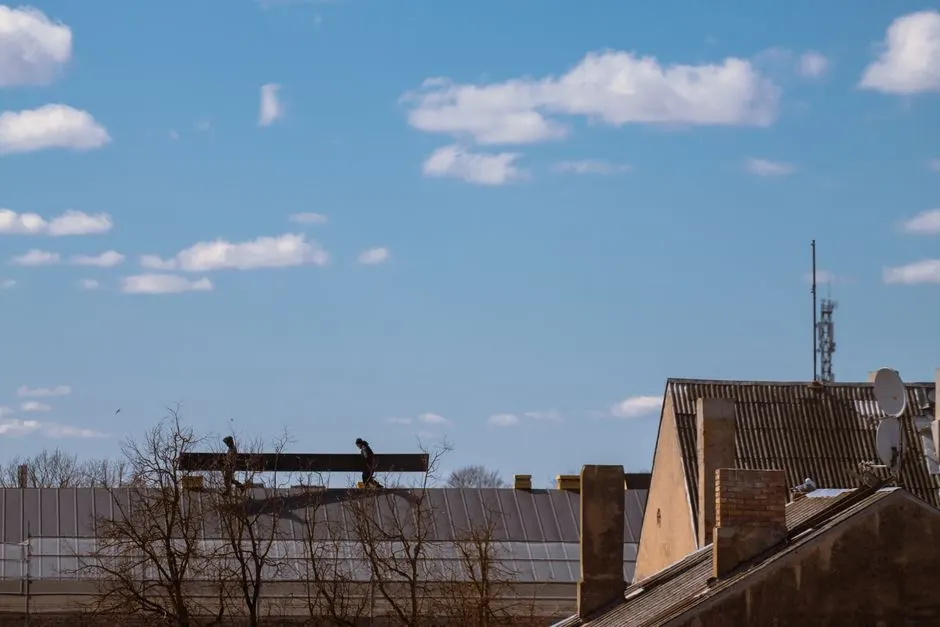
Recurring leak near rooftop equipment
A commercial tenant reports water near a rooftop unit after several storms. The first inspection finds no obvious hole above the stain, but a seam beside the equipment curb has a lifted edge. Debris near the drain is also holding water against the repair area. → We inspect the curb transition and nearby seam, clear the accessible drainage obstruction, and repair the open joint with a system-compatible process. The finished bond is checked along its length, and the building manager receives a clear account of the drainage issue and repaired area.
Wind-damaged residential roof edge
After a windy storm, a homeowner notices a drip inside a low-slope addition. The membrane has shifted near the perimeter, leaving an opening at the seam and stressing nearby edge metal. The leak is intermittent, appearing only when rain blows toward that side of the house. → We inspect the seam and edge termination, restore the open membrane joint, and check the adjacent flashing and coping detail. The repair is tested for continuity, and the homeowner sees where the wind displacement occurred. The inspection also identifies whether any nearby membrane has loosened.
Problems we solve
Problems a Seam Repair Can Solve
An open joint can admit water, lift under wind, and spread damage beneath a flat roof before the leak becomes obvious indoors. Our repairs address the failed membrane detail and check nearby causes. If you need to repair punctures and open seams on a flat roof Stamford, we inspect both the visible damage and the surrounding assembly.
Rainwater enters through a separated membrane lap
We trace the leak to the seam, check the membrane and substrate, then prepare and repair the joint with a compatible tape-and-primer or welding method. We inspect the repaired length and nearby transitions so the fix addresses the opening rather than masking the interior symptom.
Repeated leaks return after temporary patches
We examine previous patches, surrounding seams, flashing, and penetrations to find why the leak returned. If the old repair is incompatible or poorly bonded, we remove failed material as appropriate, prepare the surface, and make a repair suited to the roof membrane.
Wind lifts a seam or shifts membrane edges
We inspect the affected seam, perimeter, and attachment points for displacement. The repair restores the failed joint and identifies related edge or coping damage. Where conditions warrant, we consider the roof assembly's applicable wind-resistance requirements rather than treating the seam in isolation.
Ponding water keeps a weak joint wet
We check the seam and the drainage path, including drains and scuppers, before repairing the membrane. If persistent ponding is contributing to repeat failure, we explain the drainage correction needed alongside the seam work so the same area is not left under constant water.
Pricing process
Seam Repair Pricing
$250 - $1,800 for localized seam repairs; broader repairs are priced by scope
Length of failed seam
A short opening may need limited preparation and material, while a long or branching separation takes more labor and repair product. We inspect the full lap so pricing reflects the actual failed section rather than only the visible spot.
Roof membrane type
EPDM, TPO, PVC, modified bitumen, and built-up roofing require different materials and repair methods. Identification affects preparation time, supplies, and whether a taped, sealed, or welded repair is appropriate.
Access and roof layout
Restricted access, rooftop equipment, parapets, and multiple levels can add setup and safety time. Clear access to the repair area helps the crew work efficiently, while complex roof layouts require more inspection and careful movement.

Who repairs flat roof membrane seams in Stamford CT?
A flat-roof repair contractor experienced with membrane systems repairs seams in Stamford CT. We identify whether your roof uses EPDM, TPO, PVC, or another system, then choose a compatible repair method. For a flat roof seam leak repair contractor Stamford property owners can call, we inspect the seam and nearby flashing, drains, and penetrations before sealing or welding. That check matters because water can travel beneath the membrane before showing indoors.
How much does flat roofing membrane repair cost in Stamford?
Typical 2026 pricing in Stamford ranges from about $250 to $1,800 for localized seam work, with larger repairs costing more. Price depends on the length of failed seam, membrane type, roof access, surface preparation, and whether insulation is wet. A small accessible repair can take two to four hours; multi-area repairs require more labor and materials. We provide upfront pricing after inspecting the roof and confirming the repair approach.
Can separated flat roof seams be resealed?
Yes, separated flat roof seams can often be resealed if the membrane and adjoining material remain sound. We remove loose or contaminated material, prepare the surface, and apply compatible seam tape and primer or weld the seam when the membrane permits. If the substrate is wet, brittle, or badly displaced, resealing alone will not hold. We check the surrounding roof before recommending the repair.
How long does flat roof seam repair take in Stamford?
A single accessible seam repair often takes two to four hours, while several defects or wet insulation can extend the job to a day or more. The work includes locating the leak, preparing the membrane, making the repair, and checking the finished seam. Temperature, precipitation, and surface moisture affect when materials can be applied. We explain the expected work duration after seeing your roof.
Related services
Related Roofing Services
Flat Roof Repair
When seam damage is part of a broader roof problem, our general repair service addresses connected membrane, flashing, and drainage defects. Stamford customers receive a roof-level assessment so a repaired joint is not undermined by another nearby failure.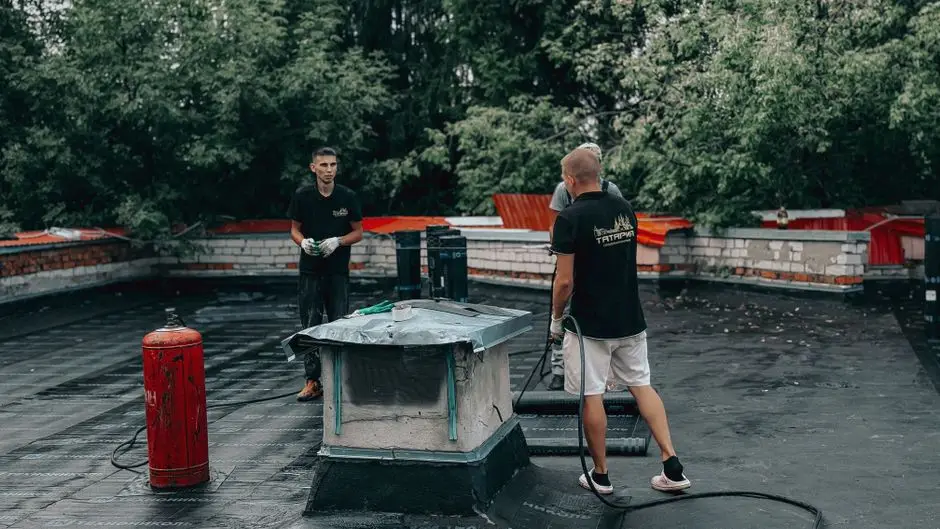
Emergency Flat Roof Repair
Active water entry needs immediate attention to limit interior damage. Emergency work focuses on locating the opening, protecting vulnerable areas, and stabilizing the roof until a permanent seam repair can be completed under suitable conditions.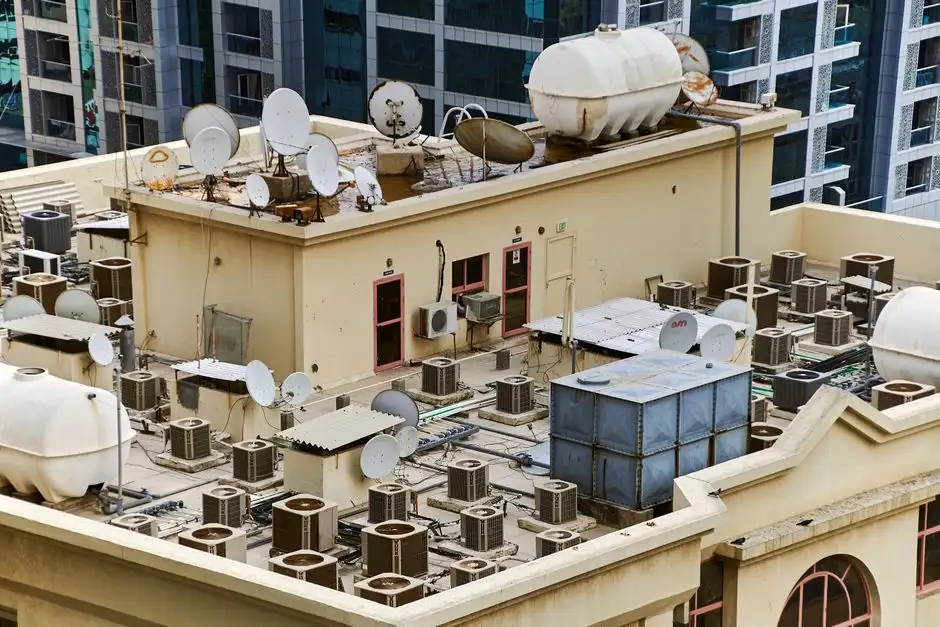
Flat Roof Leak Detection
Water can travel beneath a membrane before appearing indoors. Leak detection checks seams, penetrations, drains, and moisture patterns to locate the actual entry point, giving your seam repair a sound starting point.Ready when you are
Stop the seam leak in Stamford
A spreading ceiling stain or active drip needs a roof-level diagnosis, not another interior patch. Call our Stamford crew to discuss the leak and arrange a focused inspection. We provide upfront pricing before repair work begins.
Talk with the local team
Request Flat Roof Seam and Membrane Repair
Tell us where the leak appears, when you first noticed it, and whether water is actively entering. Call +1 203-633-8054 during business hours, Monday through Friday, 8:00 a.m. to 6:00 p.m.; emergency requests are accepted around the clock. We serve Stamford, Connecticut, and can discuss the roof type, access, and next steps with you.