
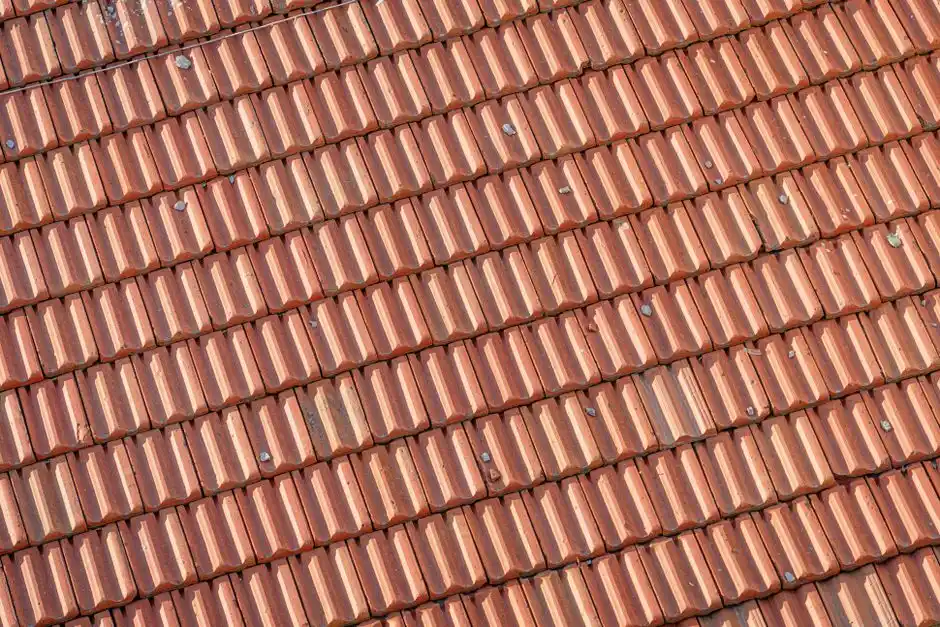
Stop leaks before they damage your building
Flat roof waterproofing Stamford CT
Flat roof waterproofing Stamford CT helps homeowners and commercial property managers protect vulnerable roofs before another storm sends water indoors. We trace the entry point, repair failed seams or flashing, and apply a compatible waterproofing system to sound surfaces. If your roof has ponding water, recurring stains, or cracked coating, our Stamford team identifies the cause and explains the practical repair path.
Live phone supportUpfront optionsBacked workmanship
What's included
What flat roof waterproofing includes
Flat roof waterproofing includes inspection, preparation, repair of agreed membrane details, and sealing with materials suited to the existing assembly. We check drains, seams, penetrations, and flashing as part of the water path. If inspection finds saturated insulation, major slope problems, or widespread membrane failure, those conditions need repair or replacement rather than a surface treatment. We explain the recommended work and pricing before proceeding.
Leak source inspection
We inspect the roof surface and the likely interior leak area, then trace water around seams, penetrations, walls, and drains. Moisture readings and a roofing probe help identify soft or wet areas. This step determines whether the roof is suitable for localized waterproofing.
Surface preparation
Repair zones are cleaned and loose material is removed so primers, seam products, or coatings can bond to a stable surface. We allow wet areas to dry and check product compatibility with the existing membrane. Preparation prevents sealing over debris or unstable coating.
Detail and seam sealing
We repair eligible punctures, open laps, flashing transitions, and penetration details using compatible materials. Thermoplastic seams may require controlled hot-air welding; other systems use different methods. The repair is checked for continuous coverage and secure terminations.
Drainage review
We examine drain and scupper components for debris, damage, and signs of standing water. Clearing an accessible obstruction or identifying a failed component helps protect sealed details from prolonged ponding. Structural slope correction is treated as a separate repair need.
Completion check
We review the repaired sections, remove debris, and confirm outlets are open. You receive a clear account of completed work and practical maintenance points, including when to check the roof after heavy rain. Water testing is used only when conditions make it appropriate.
Service overview
Flat roof waterproofing Stamford CT explained
Flat roof waterproofing Stamford CT is a roof-protection service that seals vulnerable membrane areas and directs water away from the building before leaks damage insulation or interiors. We inspect the existing assembly, locate entry points, prepare the surface, and repair seams, penetrations, flashing, and drainage details before applying a compatible membrane treatment or coating. The right method depends on whether your roof is EPDM membrane, TPO membrane, PVC membrane, modified bitumen membrane, or built-up roofing felts. A coating is not a substitute for repairing wet insulation or an actively failing roof.
Stamford roofs face wind-driven rain, freeze-thaw cycles, leaf-clogged drains, and long wet spells that expose weak laps and low spots. On a commercial roof, a small open seam can saturate insulation across a much larger area; on a home, a skylight or parapet leak often appears far from its actual entry point. Our Stamford flat roof waterproofing starts with diagnosis, not a bucket of sealant. If you need a waterproofing service for a leaking flat roof in Stamford, we check the membrane, drains, and transitions together.
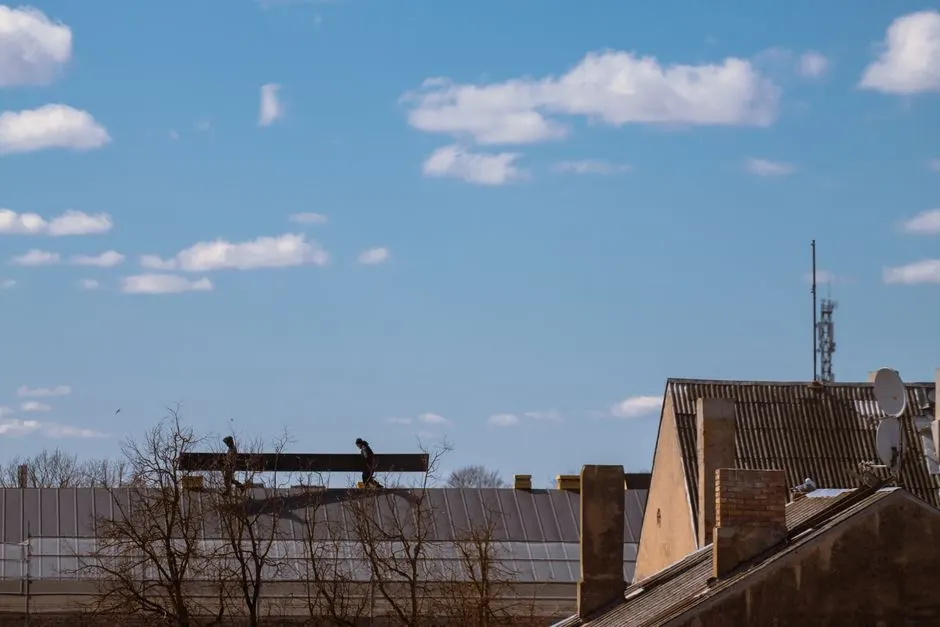
How we workWe verify the cause, compare realistic options, and confirm the repair before we leave.
The service timeline
What to expect during the work
The process flexes to the condition, but these checkpoints keep decisions clear.
Roof assessment
We begin with a roof walk, interior leak history, and a review of drainage, penetrations, edges, and membrane condition. A drain inspection camera can help check a concealed outlet, while an infrared thermography camera and moisture meter help identify areas that need closer testing. The first visit often takes 45 to 90 minutes, depending on roof size and access.
Map the failure
Our technicians mark punctures, open seams, blistering, failed flashing, and ponding zones, then distinguish the water entry point from the place the stain appears indoors. Electronic leak detection equipment is used when the roof assembly and conditions suit the method. You see the problem areas and receive a direct explanation before repair work begins.
Prepare the surface
We remove loose coating, dirt, and debris from repair zones and let wet surfaces dry before bonding materials. The team checks whether insulation is saturated and whether the existing membrane is compatible with the selected repair system. Good preparation matters: primer, seam tape, or liquid-applied material will not bond reliably over dust, standing water, or unstable coating.
Repair and seal
We repair the failed detail with system-compatible materials, using a hot-air welder for suitable thermoplastic seams or seam tape and primer where specified. Flashing and penetrations receive careful detailing, and drain or scupper components are corrected when part of the work. Most localized repairs take several hours; larger areas require additional preparation and cure time.
Test and document
Before leaving, we inspect repaired laps, transitions, and terminations, remove job debris, and confirm drains are clear. Where conditions permit, we perform a controlled water check without flooding the roof. You receive a summary of the completed repair and maintenance points, including what to watch after the next heavy rain.
Tools & methods
Tools and repair methods
Purpose-built equipment, used by trained technicians, so the job is done accurately the first time.
Infrared thermography camera
We use thermal patterns to help identify areas that warrant moisture testing, then confirm suspected wet zones with direct inspection rather than relying on an image alone.
Moisture meter
A moisture meter checks suspect roof areas and helps distinguish a dry surface defect from a condition that may involve wet insulation or cover board.
Electronic leak detection equipment
Where the roof assembly and conditions support it, electronic testing helps locate membrane breaches that are difficult to see during a visual roof inspection.
Hot-air welder and seam roller
A hot-air welder fuses compatible thermoplastic membrane seams, while a seam roller applies even pressure to specified repair details and helps achieve a continuous bond.
Drain inspection camera
A drain inspection camera helps check concealed portions of an outlet when water is backing up and a surface-level look cannot confirm the obstruction.
Roofing brush and roller
We use a roofing brush and roller to apply compatible primers or coatings at prepared surfaces, following product coverage and cure requirements.
Use cases
When to waterproof a flat roof
These examples show how the service framework adapts rather than forcing every call through one repair.
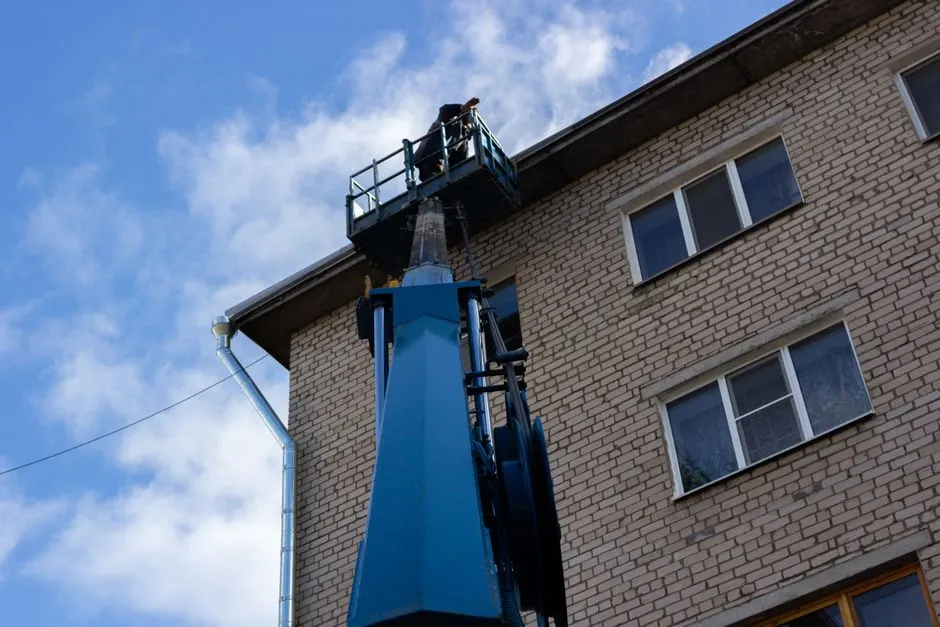
Blocked scupper and standing water
A low-slope roof in North Stamford held water after ordinary rain because leaves and debris restricted the scupper. Ponding sat beside a deteriorating flashing detail, and the owner noticed water marks near the exterior wall after storms. → We cleared the accessible outlet, repaired the failed flashing, and checked the adjacent membrane. After the work, water drained through the scupper rather than remaining against the wall detail. The customer was shown the outlet location and how debris buildup could be spotted from a safe access point.
Peeling coating on an addition
A homeowner near the South End had peeling coating across a low-slope addition and a leak at the junction with the main wall. Applying new material over the loose layer would have trapped an unstable surface and left the wall transition vulnerable. → We removed failed coating in the repair area, checked the underlying membrane for moisture, and rebuilt the wall flashing detail. Compatible waterproofing was applied to the prepared, sound section. The homeowner could see the repaired transition and received guidance on the product cure window before exposing it to water.
Problems we solve
Stop water intrusion at the source
Water finds small weaknesses first: an open lap, a split at a curb, or a blocked outlet that holds water against an aging membrane. We identify the defect and determine whether sealing will solve it. If the roof is beyond localized repair, we explain the next practical step.
Open membrane seams leak during wind-driven Stamford rain.
We confirm the membrane type, inspect the seam beyond the visible opening, and remove unstable material before making a compatible repair. A seam roller or hot-air welder is used where the system calls for it. We then check nearby laps and terminations so the repair does not leave the next weak point untreated.
Blocked drains leave ponding water beside roof penetrations.
We inspect the drain and scupper path, clear accessible debris, and assess the surrounding membrane for damage. A drain inspection camera can help investigate an obstructed outlet. If the roof has a slope or structural issue, we explain the needed correction rather than promising that waterproofing alone will remove ponding.
Failed skylight flashing sends water into finished rooms.
We trace water around the skylight curb, inspect membrane transitions, and rebuild the failed flashing with compatible materials. Once the curb is sound, we seal the surrounding membrane where appropriate. This approach prevents a patch on the ceiling from being mistaken for a roof repair.
Old coating blisters and peels across a low-slope addition.
We test blistered and soft areas, remove failed coating, and check whether the underlying assembly is dry and stable. Only compatible, sound surfaces receive new waterproofing treatment. If moisture has reached the insulation, we recommend opening and repairing that section instead of covering the evidence.
Pricing process
Flat roof waterproofing pricing
$350 - $2,500 for localized repairs; $3,000 - $12,000+ for broader restoration
Repair area and roof size
A small puncture or short open seam takes less material and labor than a broad surface treatment. Larger roofs also require more preparation, edge detailing, and time to check drains and penetrations. We price the actual repair area rather than assuming every roof needs complete coating.
Existing membrane type
EPDM, TPO, PVC, modified bitumen, and built-up roofs require different preparation and compatible materials. Specialized seam work or product requirements can change labor and material costs. We identify the assembly first to avoid an unsuitable repair that fails at the bond.
Moisture and insulation condition
Wet insulation or damaged cover board can require opening the roof and replacing affected layers before sealing. That work costs more than treating a dry, stable surface, but it prevents trapping moisture beneath a new waterproofing layer. Testing helps define the affected area.
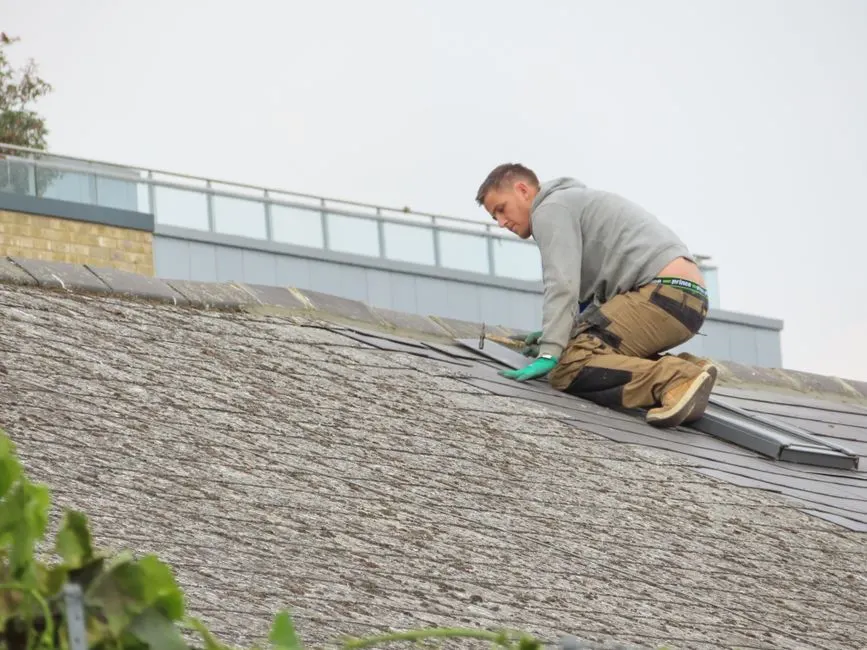
How much does flat roof waterproofing cost in Stamford?
Localized flat roof waterproofing in Stamford often costs about $350 to $2,500, while larger restoration work can range from $3,000 to $12,000 or more. Typical 2026 pricing depends on roof area, access, membrane type, wet insulation, and how many seams or penetrations need repair. We inspect first and explain the price drivers before work. A small isolated seam repair costs less than replacing saturated insulation or correcting drainage across a broad roof.
What is the best way to waterproof a flat roof in Stamford CT?
The best method is to repair the actual failure with materials compatible with your roof, then seal sound surrounding details. We identify the membrane, check for trapped moisture, clear drainage, and repair seams, flashing, or penetrations before applying a suitable coating or membrane treatment. A coating alone is not the right fix for saturated insulation or widespread membrane failure. Stamford weather makes sound drainage and properly detailed edges especially important.
Can waterproofing stop recurring flat roof leaks?
Yes, waterproofing can stop recurring leaks when the source is a repairable seam, puncture, flashing defect, or penetration. We trace the water path and check adjacent areas rather than sealing only the visible stain. If wet insulation or a failing drain is involved, that defect must also be corrected. Recurrent leaks after heavy rain call for a roof assessment, because water can travel before it enters the interior.
How long does flat roof waterproofing take in Stamford?
A localized flat roof waterproofing repair often takes 2 to 6 hours, while larger areas can require 1 to 3 working days. Time depends on access, preparation, moisture, repair extent, and the product's required cure conditions. We may need a dry surface and suitable temperatures for dependable bonding. The assessment itself commonly takes 45 to 90 minutes, and we explain the work sequence before starting.
Related services
Related roof services
Flat Roof Repair
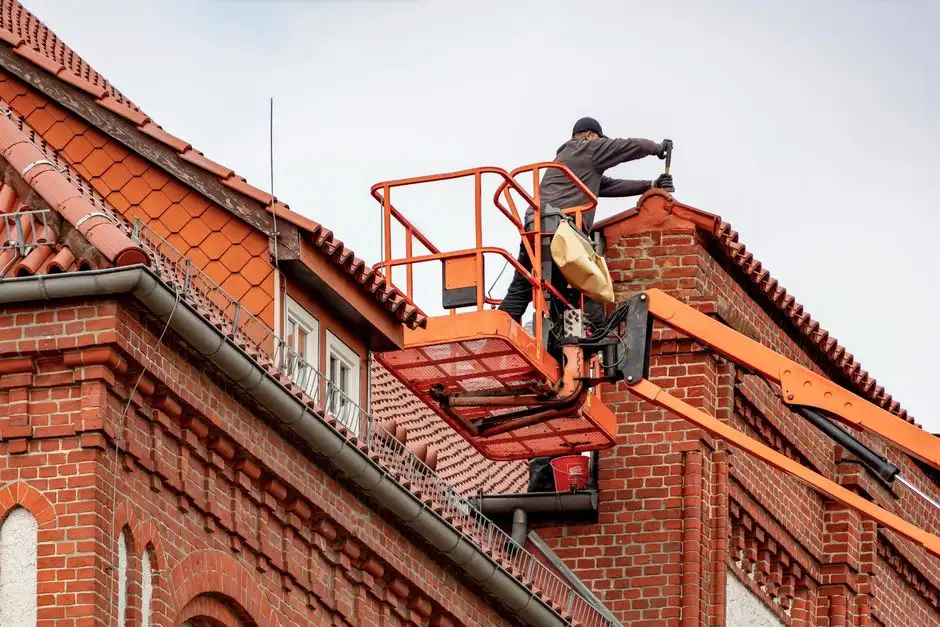
A damaged membrane, loose flashing, or puncture needs repair before waterproofing can perform properly. We correct the defect first, then determine whether surrounding areas need sealing. Stamford customers get a repair plan based on roof condition rather than a coating applied over an unresolved leak.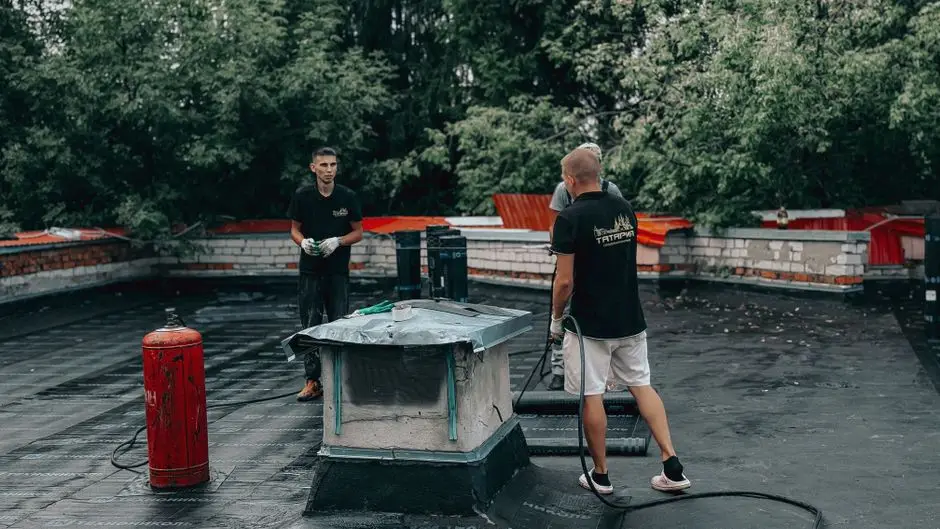
Emergency Flat Roof Repair
Active water entry during a storm needs prompt stabilization to limit interior damage. We locate the immediate opening, protect exposed areas, and plan a lasting repair when conditions allow. Waterproofing follows once the roof is dry and the underlying detail is ready for permanent materials.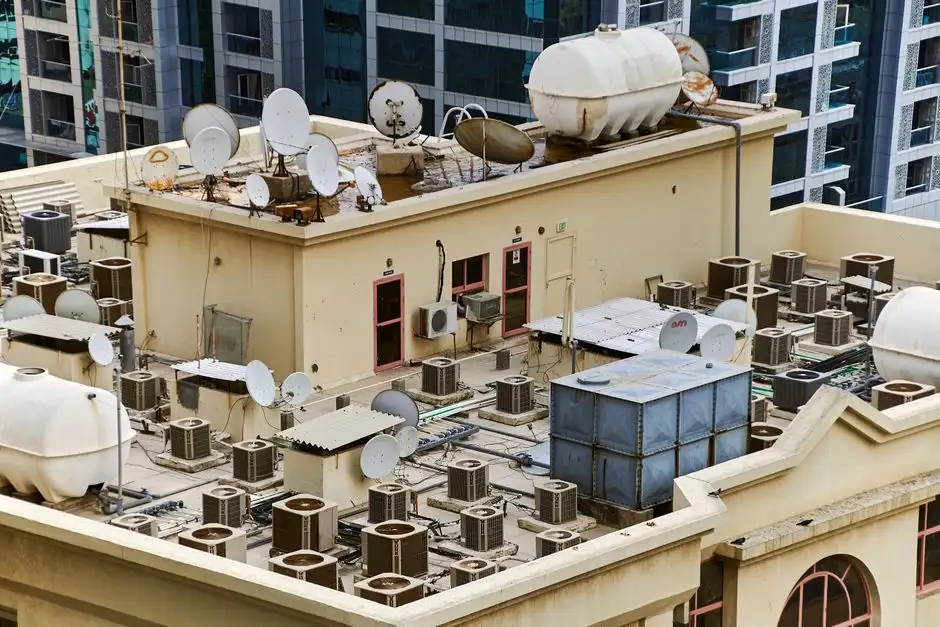
Flat Roof Leak Detection
Leak detection helps identify the entry point when stains appear far from the roof defect. We inspect seams, penetrations, drains, and transitions, using moisture readings or electronic methods when suitable. Accurate detection lets waterproofing target the cause instead of coating a larger area without evidence.Ready when you are
Schedule flat roof waterproofing Stamford CT
Stop another rainstorm from reaching your ceiling, stock, or equipment. Call Flat Roof Repair Stamford at +1 203-633-8054 to arrange a roof assessment and discuss the repair. We provide upfront pricing before the work begins.
Talk with the local team
Request Flat Roof Waterproofing
Tell us where the leak appears, when you first noticed it, and whether water is actively entering. Call +1 203-633-8054 during business hours, Monday through Friday, 8:00 a.m. to 6:00 p.m.; emergency requests are accepted around the clock. We serve Stamford, Connecticut, and can discuss the roof type, access, and next steps with you.