
Stop leaks and protect commercial and residential roofs
TPO roof repair Stamford CT for lasting leak control
TPO roof repair Stamford CT helps homeowners, property managers, and business owners stop leaks before water reaches ceilings, insulation, or inventory. We trace the entry point, repair the membrane with compatible materials, and test the repaired area. If you need Stamford TPO roof repair after heavy rain, wind movement, or a visible puncture, our local team focuses on the failure and the conditions that caused it.
Live phone supportUpfront optionsBacked workmanship
What's included
What TPO roof repair includes
TPO roof repair covers diagnosis and localized correction of membrane defects, seams, and compatible flashing details. We inspect adjacent roof conditions that could affect the repair and explain any additional issue we find before proceeding. A localized repair is different from replacing saturated insulation, redesigning drainage, or installing a new roof system; those needs are identified separately when the inspection shows they are necessary.
Membrane damage assessment
We inspect punctures, tears, blistering, and surface wear around the reported leak. The affected area is checked for loose edges and signs of moisture beneath the sheet. This helps us choose a patch size and repair method based on the actual condition rather than the visible stain indoors.
Seam and weld correction
Open or separated TPO seams are cleaned and prepared before compatible material is heat-welded into place. We use a seam roller where appropriate and check the cooled weld with a roofing probe. This confirms the repair edge is bonded rather than merely covered.
Flashing detail repair
We inspect transitions around pipes, curbs, skylights, walls, and roof edges where water can bypass the membrane. If a compatible localized repair is appropriate, we correct the failed flashing detail and check the nearby sheet. The work addresses the entry point rather than applying a surface patch over it.
Drainage and final check
We look at drains and scuppers near the defect because standing water can increase stress on seams and flashing. After repair, we inspect the weld and the surrounding area, remove debris from the work zone, and explain any drainage concern that needs separate correction.
Service overview
TPO roof repair Stamford CT explained
TPO roof repair Stamford CT is a flat-roof restoration service that seals damage in thermoplastic polyolefin membrane and restores watertight seams, flashing, and details. We inspect the affected area, remove contaminants, prepare the surface, and use a hot-air welder to fuse compatible TPO patches or reseal an open seam. A roofing probe helps identify loose edges; a moisture meter checks whether water has reached insulation. Repair is appropriate for localized damage when the surrounding membrane remains serviceable, rather than a substitute for replacement when deterioration is widespread.
Stamford roofs face wind-driven rain, freeze-thaw cycles, summer heat, and drainage problems that can stress seams and penetrations. In commercial buildings, a blocked drain or rooftop equipment curb can conceal a leak far from the interior stain. We assess the roof surface and drainage path before recommending work, then explain how to repair a leaking TPO membrane roof in Stamford with a durable, compatible repair. TPO membrane repair Stamford CT is especially useful after punctures, separated seams, flashing failures, or recurring leaks following heavy rain.
How we workWe verify the cause, compare realistic options, and confirm the repair before we leave.
The service timeline
How the repair visit works
The process flexes to the condition, but these checkpoints keep decisions clear.
Inspect the roof
We start by reviewing the leak location with you and examining the roof surface, seams, penetrations, drains, and edge details. A drain inspection camera can help assess a concealed blockage, while a roofing probe checks suspect laps. This first visit usually takes 30 to 90 minutes, depending on roof access and the area involved.
Trace the entry point
Water can travel under a membrane before appearing inside, so we compare interior staining with roof conditions rather than patching directly above the stain. We use a moisture meter and, where appropriate, an infrared thermography camera to investigate damp areas. You receive a plain explanation of the likely source and the repair approach.
Prepare the membrane
Before welding, we remove dirt, moisture, loose material, and failed patch edges from the repair zone. The prepared surface must be clean and dry for a sound bond. We mark the repair boundary and check that the selected patch material is compatible with the existing TPO membrane and the roof assembly.
Weld and detail
We use a hot-air welder to fuse the patch or reseal the seam, then run a seam roller over the weld while the material is workable. Flashing around pipes, curbs, or roof edges receives careful detailing. Repair duration ranges from about two hours for a small puncture to a full day for multiple areas.
Test and explain
After the membrane cools, we check the weld with a roofing probe and inspect the surrounding details for gaps or lifted edges. We remove repair debris and show you the completed area. You leave with a clear summary of what was repaired, what should be watched, and whether drainage or maintenance work remains.
Tools & methods
Tools and repair methods
Purpose-built equipment, used by trained technicians, so the job is done accurately the first time.
Infrared thermography camera
We use thermal patterns to help investigate suspected moisture differences below a roof surface. Findings are considered alongside visual inspection and moisture readings; the camera does not replace opening or testing the assembly when needed.
Moisture meter
A moisture meter helps assess suspect areas around a leak and distinguish a dry surface from possible moisture in accessible materials. We use readings with roof observations to define the repair area.
Hot-air welder and seam roller
The welder fuses compatible TPO sheet material, while the seam roller presses the repair as the weld is formed. The tools help create a continuous bond at a patch or repaired seam.
Roofing probe
After the weld cools, we use a roofing probe to check the repair edge for openings or incomplete bonding. This simple final check helps identify a weak edge before the crew leaves the roof.
Drain inspection camera
A drain inspection camera can help assess a concealed section of a roof drain when blockage or restricted flow is suspected. Better drainage information helps us understand ponding near a TPO repair.
Use cases
When TPO repair is the right call
These examples show how the service framework adapts rather than forcing every call through one repair.
Puncture on a residential addition
A homeowner found a small water mark after rooftop maintenance. Inspection located a puncture in the TPO membrane, with no widespread wear visible around it. The opening was small, but rain could enter and spread beneath the sheet toward the wall transition. → We cleaned and dried the repair zone, welded a compatible patch, and checked its perimeter with a roofing probe. The surrounding membrane remained in place, and the wall flashing was inspected for related damage. The homeowner could see exactly where the puncture had been sealed.
Ponding beside a roof scupper
A roof section held water near a scupper, and a seam at the edge had started to separate. The building owner saw recurring dampness inside after storms. The water problem and seam damage were connected, so repairing the seam alone would have left the underlying drainage stress. → We restored the localized seam and cleared the accessible obstruction at the scupper, then checked the surrounding TPO and edge detail. Water had a clearer drainage path after the work. We explained that persistent ponding caused by roof slope would require a separate correction beyond this repair.
Problems we solve
Fix common TPO leaks before they spread
TPO roofs fail first at stressed details: punctures, open seams, penetrations, and edges exposed to movement. In Stamford, recurring leaks after heavy rain often point to a defect combined with slow drainage or wind-driven water. We identify the entry path, repair the membrane, and check for nearby conditions that could cause the same problem again.
A small puncture lets rain reach insulation beneath the TPO sheet
We locate the puncture, examine the surrounding sheet, and check for moisture beneath the membrane. After cleaning and drying the repair zone, we heat-weld a compatible TPO patch and inspect the finished perimeter. If insulation is wet, we explain the affected area and the work required to restore the assembly.
A separated seam reopens during wind-driven Stamford rain
We follow the seam beyond the visible opening to find where the bond has failed. The surface is cleaned, loose or contaminated material is addressed, and the seam is rewelded where the membrane remains sound. A probe check verifies the repair edge before we finish.
Blocked drains leave water ponding near TPO flashing
We inspect the nearby drain or scupper and check the membrane around the ponding area. When the blockage is accessible, we clear the immediate drainage path and repair any related TPO damage. If the roof holds water because of low slope, we explain the correction needed beyond a membrane patch.
Failed flashing sends water through roof penetrations
We inspect the penetration and its full transition to the roof sheet, then repair the flashing detail with material compatible with the existing membrane. We check nearby welds and attachment points so water cannot bypass the repair at an adjacent edge.
Pricing process
TPO repair pricing in Stamford
$250 - $900 for a small repair; $1,000 - $4,500 or more for multiple defects or added assembly work
Repair size and quantity
A single small puncture takes less material and preparation than several separated seams or tears across a large roof. When defects are spread apart, each area needs its own cleaning, repair, and final inspection, which increases labor time.
Access and roof height
Roof access, ladders, equipment, and safe work positioning affect the time required to reach the defect. A clear route to a low roof is simpler than a restricted commercial roof with multiple access controls or equipment around the repair zone.
Flashing and edge details
Repairs around skylights, pipes, curbs, walls, or deteriorated edge metal require more careful preparation than a flat-field puncture. Each transition must be examined and sealed with materials compatible with the TPO system.
How much does TPO roof repair cost in Stamford?
Small TPO repairs in Stamford often cost $250 to $900, while multiple defects or wet insulation can raise the total to $1,000 to $4,500 or more. Typical 2026 pricing depends on roof access, membrane condition, repair size, and whether flashing or drainage work is needed. We inspect the defect and give you upfront pricing before work proceeds. A simple seam repair usually costs less than replacing saturated insulation or rebuilding a curb detail.
Who can repair a TPO membrane roof in Stamford CT?
A flat-roof contractor experienced with heat-welded TPO seams and compatible membrane repairs can repair a TPO roof in Stamford CT. Ask for a roof-side diagnosis, a clear repair method, and a final weld inspection. Our team checks the membrane, flashing, and drainage before recommending work, then uses a hot-air welder and roofing probe to verify the repair. Connecticut home improvement contractor registration applies where required for the project.
Can a separated TPO seam be repaired?
Yes, a separated TPO seam can usually be repaired when the membrane remains sound and the separation is localized. We clean and dry the area, remove failed material if needed, and heat-weld the seam using compatible TPO. A roofing probe checks the finished edge. If the sheet is brittle, damaged over a wide area, or moisture has saturated insulation below it, we explain the broader repair needed.
How long does TPO roof repair take in Stamford?
A small puncture or short seam repair often takes two to four hours, while several repair locations can take most of a workday. Wet insulation, difficult roof access, or detailed flashing work adds time. We inspect first, prepare the membrane, complete the weld, and test it before leaving. Weather also matters: the repair surface must be suitable for cleaning and welding, so active rain or a wet roof can delay the work.
Related services
Related roofing services
Flat Roof Repair
When a Stamford roof has several defects beyond its TPO membrane, broader flat roof repair can address seams, flashing, drainage, and edge details together. We inspect the full affected area and distinguish a localized TPO repair from related work needed to keep water out.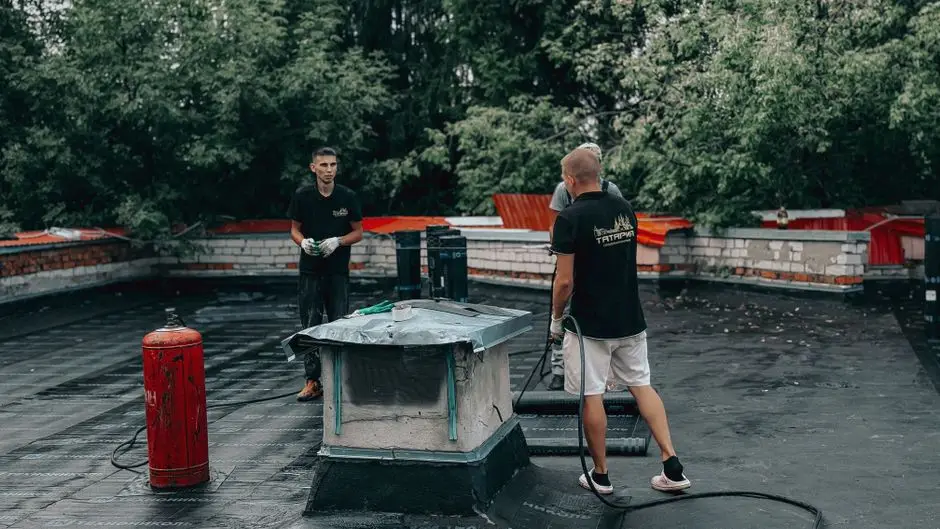
Emergency Flat Roof Repair
Active water entering a home or business needs prompt protection. Emergency service can control the leak and protect exposed contents while we assess the TPO membrane. We then repair punctures, open seams, or damaged flashing when roof conditions allow safe, effective work.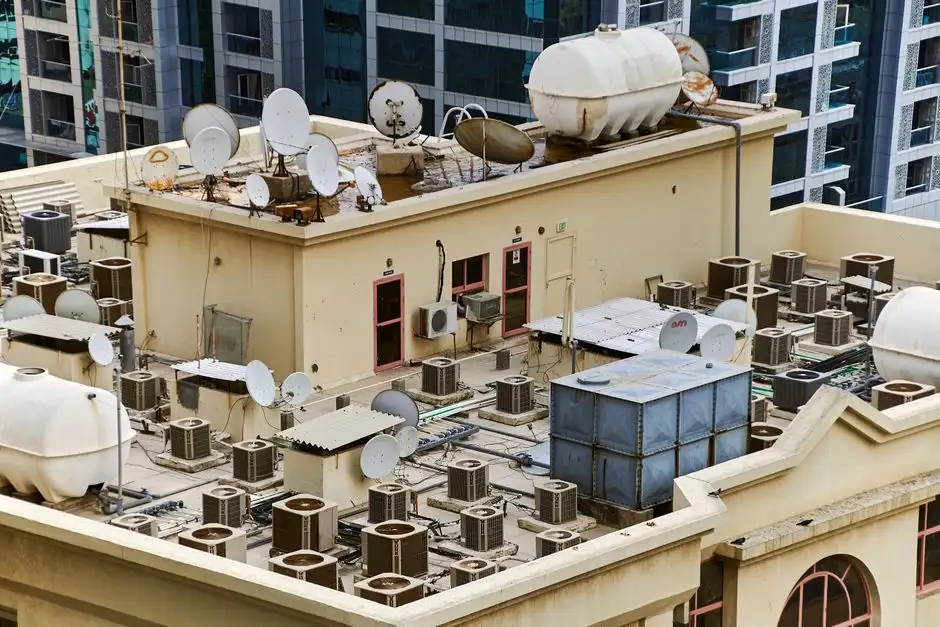
Flat Roof Leak Detection
Leak detection helps trace water that travels beneath TPO before appearing indoors. We inspect seams, penetrations, drains, and the roof assembly, using moisture checks or other suitable methods. Finding the entry point first keeps a Stamford repair focused instead of patching the wrong location.Ready when you are
Arrange TPO roof repair Stamford CT
A small seam opening can become an interior leak after the next storm. Call our Stamford team to arrange an inspection and discuss the repair. We follow OSHA fall-protection requirements while working on your roof.
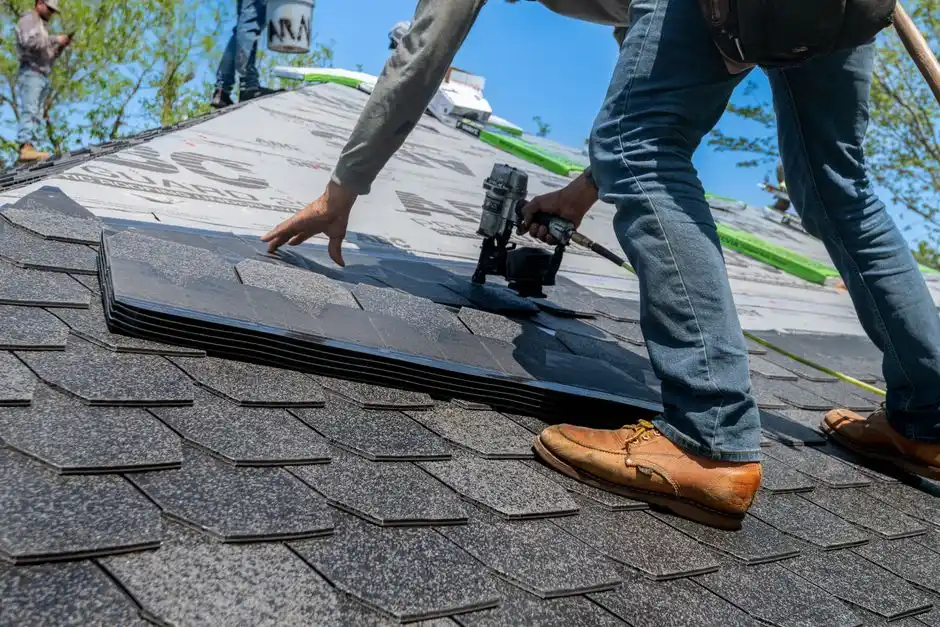
Talk with the local team
Request TPO Roof Repair
Tell us where the leak appears, when you first noticed it, and whether water is actively entering. Call +1 203-633-8054 during business hours, Monday through Friday, 8:00 a.m. to 6:00 p.m.; emergency requests are accepted around the clock. We serve Stamford, Connecticut, and can discuss the roof type, access, and next steps with you.