
EPDM vs. TPO flat roof repair: which is right for your roof?
EPDM and TPO need different repair methods. Learn how Stamford weather, damage type, and typical 2026 costs affect the right fix for your flat roof.
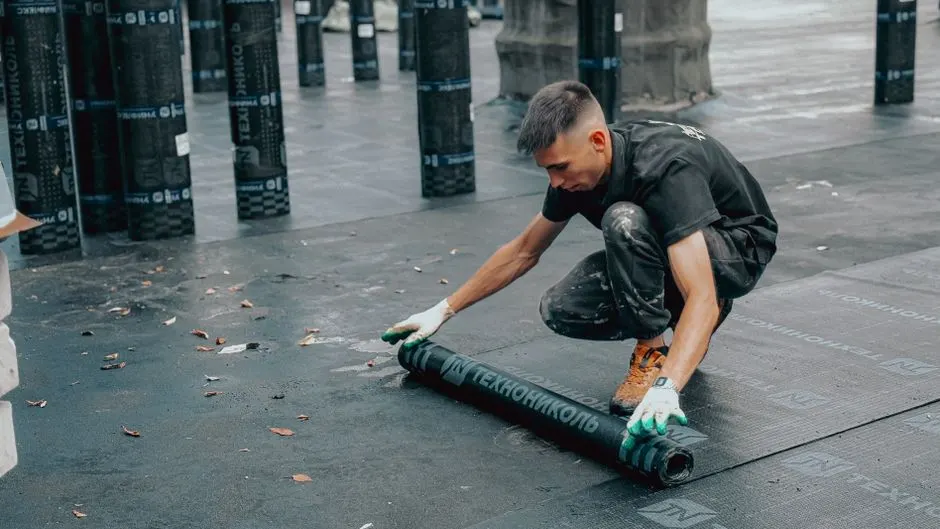
For most Stamford roofs, the right repair is the one matched to the membrane already installed: EPDM usually takes a compatible rubber patch, while TPO damage is commonly repaired with a hot-air-welded patch. EPDM vs TPO flat roof repair is not a simple contest; the membrane type, seam condition, damage size, and roof age decide which fix will last. EPDM vs TPO flat roof repair is a comparison of two distinct repair systems used to stop leaks and restore a roof membrane without replacing the whole roof. Below, we explain the material differences, typical repair costs, how Fairfield County weather changes the work, and what to ask before approving a repair.
EPDM vs. TPO: the repair answer for Stamford roofs
EPDM and TPO flat roof repairs in Stamford call for different materials and seam techniques, so a roofer must identify the membrane before choosing a patch. EPDM is a synthetic rubber sheet, usually black, while TPO is a thermoplastic membrane, often white or light gray, with seams fused using heat.
We start by checking the roof surface, seams, penetrations, drainage, and any previous patches. A leak inside a ceiling does not always sit directly below the roof opening; water can travel along insulation or framing before it appears indoors.
For homeowners comparing EPDM versus TPO membrane repair Stamford CT, the practical question is whether the membrane and the area around the damage remain sound. A clean puncture in an otherwise stable roof is a different job from widespread seam failure, wet insulation, or a recurring leak beside a drain.
We handle both systems as part of Flat roof repair Stamford CT, matching the repair process to the membrane instead of treating every flat roof as though it were built the same way.
How EPDM and TPO repairs differ
EPDM and TPO repairs differ most at the seams: EPDM typically uses adhesive or seam tape, while TPO patches are heat-welded to the existing sheet. That distinction affects preparation, weather limits, tools, and how a finished repair is checked.
EPDM: rubber patches and seam tape
EPDM is flexible rubber that expands and contracts as temperatures shift. For a small puncture, we clean and prepare the surface, apply compatible primer where required, and bond a repair patch that extends beyond the damaged area. A patch needs sound, clean membrane around the tear; dirt, moisture, and loose old adhesive can undermine the bond.
Open EPDM seams need attention of their own. We remove failing material as needed, prepare the surfaces, and use compatible seam tape or adhesive. A general-purpose caulk or an incompatible solvent-based product is not a dependable substitute for a membrane repair system.
TPO: welded patches and seam repairs
TPO is repaired by heat-welding compatible membrane to the existing roof. The technician prepares the surface and uses a hot-air tool to fuse the patch or seam, then checks the weld for gaps and weak spots. Temperature, airflow, speed, and surface condition all affect the result.
That makes a TPO repair sensitive to both equipment and technique. A patch that looks attached may still have a cold weld underneath. Our comparison of rubber roofing and TPO roof repairs always includes the seam, not just the visible hole, because seam separation is a common route for water.
For a damaged seam or a localized break in either system, Flat roof seam and membrane repair Stamford CT addresses the membrane itself rather than masking the symptom indoors.
Is EPDM or TPO easier to repair?
EPDM is often simpler to patch in the field, while TPO can be equally durable when a trained roofer makes a sound heat weld; the easier repair depends on damage and site conditions. EPDM patching avoids a heat-welding step, but it still requires correct preparation and compatible products.
A small EPDM puncture in accessible, dry material may be a straightforward repair. A long split, wet substrate, or deteriorated seam takes more investigation. TPO repairs require a functioning hot-air welder and careful control of the weld, but a clean, localized tear on a sound roof can also be repaired efficiently.
When you compare EPDM and TPO repair costs, keep access and underlying conditions in the calculation. A roof with rooftop equipment, several layers of old patches, or trapped moisture takes longer to assess than an open, easy-to-reach surface.
We also look at whether the existing membrane remains repairable. If a roof has widespread cracking, brittle or shrinking EPDM, repeated TPO seam failures, or saturated insulation, a patch may only postpone a larger project. A focused inspection helps separate a repairable defect from a system nearing the end of its useful life.
How much do EPDM and TPO repairs cost in Stamford?
Typical 2026 pricing in Stamford is about $250-$600 for a small, accessible membrane patch and roughly $500-$1,500 for a more involved seam or flashing repair. Larger repairs involving several areas, difficult access, or wet insulation can exceed $1,500.
Those ranges are planning figures, not a flat quote for every roof. EPDM versus TPO alone does not set the price; labor, roof height, the amount of membrane that must be removed, and the condition beneath it matter just as much.
- Small puncture: often $250-$600 when the membrane around it is sound.
- Long seam or edge repair: commonly $500-$1,500, depending on length and access.
- Wet insulation or multiple leak points: costs rise with tear-out, drying, and replacement work.
A 2-inch hole is not automatically a small repair if water has traveled underneath a large section of membrane. We trace the leak and check the surrounding roof before settling on a repair method, so you are paying to correct the source rather than cover a stain.
How Stamford weather affects membrane repairs
Stamford's coastal weather affects EPDM and TPO repairs through cold temperatures, rain, wind, and freeze-thaw cycles that change when materials can be bonded or welded. October is a useful time to address a leak before winter weather brings more rain, freezing nights, and snow loading.
For adhesive-based EPDM work, a dry surface and temperatures within the product manufacturer's limits are essential. Many repair products call for substrate and air temperatures above about 40°F, although the exact requirement depends on the product. Moisture under a patch can weaken adhesion, and a wet roof also creates a safety problem.
TPO welding also needs a dry membrane and stable conditions. Cold air, gusty wind, and a damp surface can make it harder to maintain consistent heat and pressure. We test weld settings on the material when conditions call for it and avoid sealing water into the roof assembly.
Winter snow and ice can hide small defects and block drains; spring thaw often reveals where water entered. In Downtown Stamford, where flat roofs are common on mixed-use and commercial buildings, repeated ponding around drains deserves attention before it freezes. Our Flat roof repair Downtown Stamford CT work often begins with checking drainage and seams after a storm, not simply applying a patch where a ceiling stain appeared.
Seasonal timing does not make every repair impossible. We choose a method based on the roof's temperature, dryness, and the repair product's requirements, then confirm the bond or weld before we leave.
Common repair mistakes to watch out for
Common EPDM and TPO repair mistakes in Stamford include using the wrong patch system, sealing over wet material, and overlooking the leak path beyond the visible damage. These shortcuts can turn one repair into a repeat visit after the next heavy rain.
- Using a universal patch: EPDM and TPO do not share one all-purpose repair method. Match the patch and accessories to the membrane.
- Applying sealant over a failed seam: surface caulk does not restore a proper EPDM bond or TPO weld.
- Ignoring drainage: standing water around a drain can keep stressing the same seam or patch.
- Repairing only the indoor stain: ceiling paint does not stop water entering at a roof penetration or edge.
- Working over damp or dirty membrane: bonding and welding both depend on sound preparation.
Another frequent mistake is assuming the roof is TPO because it is white, or EPDM because it is black. Color is a clue, not proof; coatings and older repairs can change the appearance. We identify the material before opening a repair kit.
When to call a professional in Stamford
Stamford property owners should call a roofing professional when a leak returns, a seam separates, water ponds for more than 48 hours after rainfall, or damage reaches a drain, wall, or roof penetration. Those signs point to a defect that needs a proper diagnosis rather than another layer of sealant.
We inspect the membrane and adjoining details, identify whether the roof is EPDM or TPO, and explain the repair that fits the damage. If water has reached insulation, we check how far it has spread before recommending a patch alone.
A trained crew also reduces the risk of damaging the membrane while walking or working around rooftop equipment. If you see active water entering the building, move valuables, use a safe container to catch drips, and contact Flat Roof Repair Stamford to arrange an assessment.
Ask your contractor which membrane they identified, what repair material they will use, how they will prepare the surface, and how they will check the finished seam or patch. A clear answer should name the method: adhesive or tape for an appropriate EPDM repair, or a tested heat weld for TPO.
Frequently Asked Questions
Is EPDM or TPO easier to repair?
EPDM is often easier to patch because it does not require a hot-air welder, while a TPO repair depends on a properly controlled weld. A small, clean puncture is simpler than a long split or failed seam on either material. Surface condition, access, temperature, and moisture determine the actual difficulty.
Which costs more to repair, EPDM or TPO roofing?
Neither membrane consistently costs more to repair; a small patch on either roof often falls around $250-$600 in Stamford, while a larger seam repair can run roughly $500-$1,500. Labor, access, damage extent, and wet insulation usually have more influence than the membrane label.
Can a roofer repair both EPDM and TPO roofs in Stamford CT?
Yes. A qualified flat-roof crew in Stamford can repair both EPDM and TPO when it has the correct materials and equipment for each system. EPDM needs compatible patching or seam products; TPO needs heat-welding tools and a technician who can inspect the weld.
How long does a flat roof membrane repair take?
A simple, accessible puncture repair may take about 1-3 hours once the membrane is dry and the damage is confirmed. A long seam, multiple leak points, or wet insulation can require several hours or a return visit, depending on what the inspection uncovers.
Can I use roof cement on an EPDM or TPO leak?
Roof cement is not a dependable universal fix for EPDM or TPO and can complicate a proper repair. The correct method depends on the membrane, the specific product system, and whether water has reached the layers below. A compatible patch or welded repair addresses the membrane defect directly.
Get help with flat roof repair in Stamford
If your EPDM or TPO roof is leaking, we can identify the membrane, trace the damage, and recommend a repair suited to the roof. Call Flat Roof Repair Stamford at +1-203-633-8054 to discuss your roof.